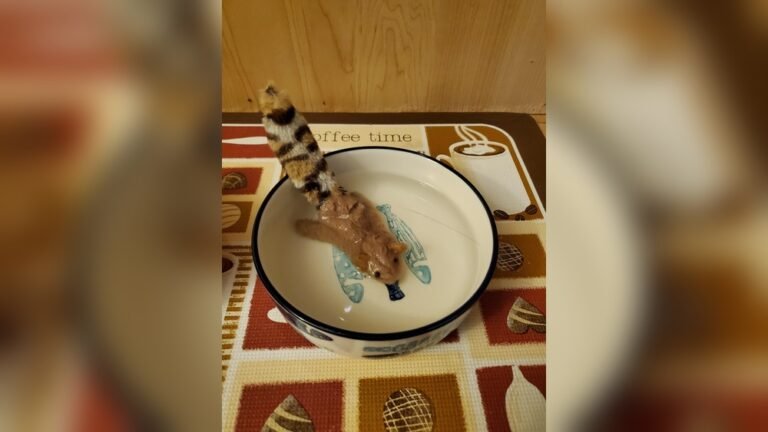
How to Clean Cat Toys: Easy Steps for a Safe Playtime

Your cat’s toys bring endless joy and keep your furry friend entertained. But have you ever stopped to think about how clean those toys really are?
Dirty toys can harbor germs and cause your cat discomfort or even illness. You want the best for your pet, and that means knowing how to clean cat toys safely and effectively. You’ll discover simple tips and easy steps to keep your cat’s favorite playthings fresh and safe.
Stick with us, and you’ll never have to worry about dirty toys again!
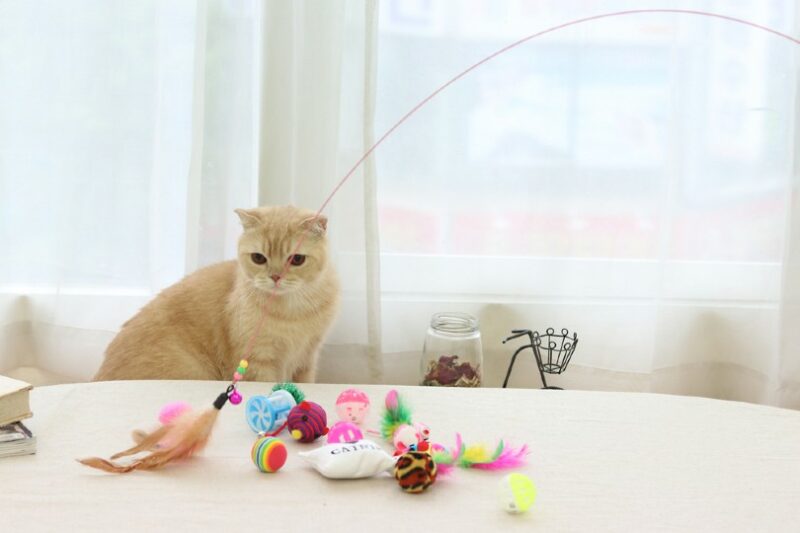
Credit: www.catster.com
Contents
Why Clean Cat Toys
Keeping cat toys clean is very important for your pet’s health and happiness. Cats love to chew and play with their toys every day. This means toys can collect dirt, germs, and bacteria quickly. Dirty toys can cause health problems for your cat. Cleaning toys often keeps your cat safe and healthy.
Health Risks Of Dirty Toys
Dirty toys can carry harmful bacteria and germs. These can cause infections in your cat’s mouth and skin. Mold and mildew can grow on damp toys. This can lead to breathing problems or allergies. Small particles from dirty toys can cause choking or stomach issues.
Benefits Of Regular Cleaning
Cleaning cat toys regularly stops germs from building up. It helps keep your cat’s mouth and skin clean. Fresh toys last longer and stay safe to use. Clean toys keep your cat interested and happy. Regular cleaning also protects your home from bad smells and dirt.
Types Of Cat Toys
Cat toys come in many shapes and materials. Each type needs different care to stay clean and safe. Knowing the types helps you clean them better. Here are the common kinds of cat toys.
Soft Plush Toys
Soft plush toys are made of fabric and stuffing. Cats love to cuddle and bite them. These toys can collect dirt, fur, and saliva. Washing them by hand or in a gentle machine cycle is best. Use mild soap and cold water to keep the fabric soft.
Plastic And Rubber Toys
Plastic and rubber toys are hard and durable. They include balls, mice, and rings. These toys are easy to clean with soap and warm water. Scrub any grooves to remove dirt and germs. Dry them fully before giving them back to your cat.
Interactive And Electronic Toys
Interactive toys have moving parts or lights. Electronic toys need batteries or charging. Clean these toys with a damp cloth. Avoid water near the battery area. Check for damage before each use to keep your cat safe.
Cleaning Materials Needed
Cleaning cat toys keeps your pet healthy and happy. Dirt and germs build up fast. Using the right materials makes cleaning safe and easy. Prepare these items before you start.
Safe Cleaning Agents
Choose gentle cleaners that do not harm cats. Mild dish soap works well. It removes dirt without harsh chemicals. White vinegar is another safe option. It kills bacteria and removes odors. Avoid bleach or strong chemicals. They can be toxic to cats.
Tools For Cleaning
Gather soft brushes or old toothbrushes. They reach small crevices and remove grime. Use clean cloths or sponges for wiping. A bowl or sink is needed to soak toys. Paper towels help dry toys quickly. Keep these tools separate for pet cleaning only.
Credit: blog.adoredbeast.com
Step-by-step Cleaning Process
Cleaning cat toys keeps your pet healthy and happy. Dirt, saliva, and germs build up over time. Regular cleaning stops bacteria and bad smells. Follow this step-by-step process to clean toys safely and well. Each step fits different toy types and materials.
Preparing The Toys
Sort toys by material and size first. Check each toy for damage or loose parts. Remove batteries or electronic parts if possible. Shake off loose dirt or hair. This makes washing easier and safer.
Washing Techniques For Different Materials
Soft fabric toys need gentle washing. Use warm water and mild soap. Hand wash or use a delicate cycle in the machine. Avoid harsh detergents that can harm your cat.
Plastic and rubber toys clean well with soap and water. Scrub with a brush to remove grime. For tougher dirt, soak toys in vinegar and water for 10 minutes. Rinse thoroughly to remove all residues.
Electronic toys require special care. Use a damp cloth to wipe the surface. Do not soak or submerge in water. Dry carefully to avoid damage.
Drying And Storing Toys
Air dry toys completely before storage. Lay fabric toys flat on a clean towel. Avoid direct sunlight to prevent fading. Plastic and rubber toys dry quickly on a rack.
Store toys in a clean, dry place. Use a box or bag to keep them dust-free. Rotate toys regularly to keep your cat interested.
Cleaning Frequency Tips
Keeping cat toys clean is important for your cat’s health. Dirt and bacteria can build up quickly. Cleaning frequency depends on the type of toy and how often your cat uses it. Regular cleaning keeps toys safe and fresh. Follow simple tips to maintain hygiene without much effort.
Daily Maintenance
Wipe toys with a damp cloth every day. This removes dirt and saliva. Check for any damage or loose parts. Soft toys can be brushed gently to remove fur. Small, hard toys can be rinsed quickly under warm water. Dry toys completely before giving them back to your cat. Daily care stops germs from growing fast.
Deep Cleaning Schedule
Deep clean toys once a week or biweekly. Use mild soap and warm water for washing. For fabric toys, check if they are machine washable. Use gentle cycles and air dry them. Avoid harsh chemicals or strong detergents. For plastic or rubber toys, soak them in soapy water for 10 minutes. Rinse well to remove soap. Deep cleaning kills bacteria and removes stubborn dirt.
Avoiding Common Mistakes
Cleaning cat toys keeps your pet safe and happy. It also helps stop germs from building up. Many people make simple mistakes when cleaning toys. These errors can harm your cat or reduce the toy’s life. Avoid these common mistakes for better results and safer playtime.
Using Harsh Chemicals
Strong cleaners can leave harmful residues on toys. Cats often lick their toys, so chemicals can hurt them. Use mild soap and warm water instead. Avoid bleach, ammonia, or anything with strong smells. These can irritate your cat’s skin and mouth. Always rinse toys well to remove soap.
Ignoring Toy Damage
Damaged toys can be dangerous. Small parts might break off and cause choking. Torn fabric or loose strings can trap or hurt your cat. Check toys carefully before and after cleaning. Throw away toys that are ripped or broken. Safe toys protect your pet from harm.
Enhancing Toy Safety
Keeping cat toys safe helps protect your pet from harm. Clean toys are good, but safety matters most. Toys can break or wear out. Old toys can hurt your cat. Checking toys often keeps playtime safe and fun.
Choosing the right toys makes a big difference. Some toys have harmful materials. Non-toxic toys keep your cat healthy. Careful cleaning and smart choices keep toys safe.
Inspecting For Wear And Tear
Look at toys closely each time before use. Check for loose parts or holes. Broken pieces can choke or cut your cat. Remove damaged toys right away. Replace toys that show heavy wear. Regular checks stop accidents early.
Choosing Non-toxic Toys
Pick toys made from safe materials. Avoid cheap plastics or painted toys with chemicals. Natural fibers and rubber are better choices. Read labels to find non-toxic options. Safe toys do not harm if chewed. Your cat’s health depends on safe toys.

Credit: www.dutch.com
Frequently Asked Questions
How Often Should I Clean Cat Toys?
Clean cat toys every one to two weeks to prevent bacteria buildup. Regular cleaning keeps toys safe and fresh for your cat to enjoy.
What Is The Safest Way To Clean Cat Toys?
Use warm water and mild soap to clean cat toys. Avoid harsh chemicals that can harm your cat or leave harmful residues.
Can I Put Cat Toys In The Dishwasher?
Yes, many plastic and rubber cat toys are dishwasher safe. Use the top rack and a gentle cycle for best results.
How Do I Clean Fabric Cat Toys?
Hand wash fabric toys with mild detergent and warm water. Air dry completely to prevent mold or mildew growth before giving them back to your cat.
Conclusion
Cleaning cat toys keeps your pet healthy and happy. Regular washing removes dirt and germs easily. Use mild soap and warm water for best results. Dry toys completely before giving them back. Soft toys may need gentle hand washing. Hard toys can be scrubbed with a brush.
Clean toys often to avoid bad smells and bacteria. Your cat will enjoy fresh, safe playtime every day. Simple steps make a big difference in pet care. Keep toys clean, and your cat will thank you!