How to Deal With Food Aggression in Cats: Proven Tips That Work

If your cat growls, hisses, or snaps when you get near their food, you’re not alone—and it can be stressful for both of you. Food aggression in cats is more common than you might think, but it doesn’t mean your furry friend is “bad” or beyond help.
Understanding why this happens and learning simple steps to manage it can make mealtime peaceful again. Keep reading, because your cat’s comfort—and your safety—depend on knowing how to handle this tricky behavior the right way.

Credit: www.holistapet.com
Contents
Signs Of Food Aggression
Food aggression in cats can cause stress for both pets and owners. Recognizing the signs of food aggression is the first step in managing this behavior. Cats with food aggression often show warning signs before acting out. Understanding these signs helps in managing cat aggression effectively and ensures pet feeding safety. Many cats develop feline food guarding due to cat anxiety around food or cat territorial behavior. Identifying these signs early can prevent conflicts and create a calm feeding environment.
Common Behaviors
Cats with food aggression show specific behaviors around their food. These actions help protect their meal but can become a problem. Aggressive cat behavior often includes growling, hissing, and swatting. These are clear signals that your cat feels threatened or anxious near food.
- Growling or hissing: Vocal warnings to stay away from their food.
- Swatting or biting: Physical attempts to protect the food.
- Stiff body posture: The cat may freeze and stare intensely.
- Guarding the bowl: Sitting or standing over the food to block others.
- Sudden lunges: Quick movements to scare off other pets or humans.
These behaviors often show during feeding times or when another pet approaches. Below is a table summarizing these behaviors and their meanings:
| Behavior | Meaning |
|---|---|
| Growling/Hissing | Warning to stay away |
| Swatting/Biting | Protecting food physically |
| Stiff Posture | High alert and tension |
| Food Bowl Guarding | Marking territory around food |
| Sudden Lunges | Scaring others away |
Understanding these common behaviors helps in cat behavior modification to reduce food aggression.
Identifying Triggers
Food aggression often starts because of certain triggers. These can increase cat anxiety around food or cause cat territorial behavior. Knowing these triggers is key to reducing food aggression and improving cat feeding habits.
Common triggers include:
- Multiple pets feeding close together: Cats may feel competition and guard their food.
- Sudden changes in feeding routine: New feeding times or locations can cause stress.
- Scarcity of food: Limited amounts can lead to guarding behavior.
- Loud noises or distractions: These can increase anxiety during meals.
- Past negative experiences: Cats that faced food theft or fights may guard food aggressively.
Below is a list of triggers and their effects on cat aggression:
| Trigger | Effect |
|---|---|
| Multiple Pets Feeding | Competition, increased guarding |
| Feeding Routine Changes | Stress and anxiety |
| Limited Food Supply | Food guarding and aggression |
| Loud Noises | Startled, defensive behavior |
| Negative Past Experiences | Heightened food aggression |
Recognizing triggers supports better cat behavior modification plans. This approach promotes pet feeding safety and helps in managing cat aggression effectively.
Causes Behind Aggression
Food aggression in cats can be a challenging behavior for pet owners. Understanding the causes behind aggression helps in managing and reducing it effectively. Cats may act aggressively around food due to different reasons rooted in their past, instincts, or health. Identifying these causes is the first step toward creating a calm feeding environment.
Past Trauma
Many cats with food aggression have experienced traumatic events earlier in life. These events shape how they behave around food. For example, cats rescued from neglect or starvation may guard their food fiercely. They learned to protect their meals because food was scarce or competed for.
Common traumatic experiences include:
- Long periods without enough food
- Fighting with other animals over meals
- Abandonment or sudden changes in environment
This trauma creates a lasting fear that food might disappear or be stolen. As a result, cats become defensive or aggressive to secure their food supply. Even after moving to a safe home, these behaviors can continue.
Understanding past trauma allows owners to be patient and gentle. Slowly building trust and providing consistent meals can help the cat feel safe again.
Resource Guarding Instinct
Cats have a natural instinct to protect valuable resources, including food. This behavior is called resource guarding. It is common in the wild where food is limited, and competition is high. Your cat may growl, hiss, or swipe to keep others away from its bowl.
Resource guarding can be seen in these ways:
- Stiff body posture while eating
- Hiding food or moving it to a safe spot
- Showing aggression if someone approaches too close
This instinct helps cats survive in uncertain environments. Domestic cats keep this behavior because it feels natural. Understanding that this is part of their nature helps owners react calmly.
| Behavior | Meaning |
|---|---|
| Growling or hissing | Warning to stay away |
| Swatting or biting | Defending food |
| Eating quickly | Fear of losing food |
Health Issues
Sometimes, food aggression in cats links to underlying health problems. Pain or illness can make cats irritable and defensive. They may act aggressively to guard their food because eating becomes difficult or stressful.
Common health issues causing aggression include:
- Dental pain or mouth infections
- Digestive problems making eating painful
- Parasites causing discomfort
- Neurological conditions affecting behavior
Veterinarians recommend a full health check if aggression starts suddenly. Treating medical problems often reduces aggressive behavior. Owners should watch for other signs like:
- Loss of appetite
- Weight loss
- Changes in grooming habits
Proper diagnosis and treatment improve the cat’s comfort and behavior around food.
Safe Feeding Practices
Food aggression in cats can cause stress for both pets and owners. Implementing safe feeding practices helps reduce tension during mealtime. These practices create a calm environment and encourage positive behavior around food. Feeding cats safely involves controlling space, timing, and how food is offered. This section covers three key methods: separate feeding areas, scheduled meal times, and using puzzle feeders. Each method supports a peaceful feeding routine and lowers aggressive reactions.
Separate Feeding Areas
Keeping cats apart while they eat is a simple way to prevent food aggression. Cats are naturally territorial. Sharing food bowls can cause fights or anxiety. Separate feeding areas give each cat a safe space to enjoy their meal without feeling threatened.
- Use different rooms or corners for each cat’s food bowl.
- Place bowls far apart if rooms are not available.
- Provide hiding spots near feeding areas to help shy cats feel safe.
Separate feeding areas also help monitor each cat’s eating habits. It is easier to see if a cat refuses food or eats too fast. This setup reduces competition and stress.
| Benefit | Explanation |
|---|---|
| Reduced Fighting | Cats eat peacefully without guarding food. |
| Less Stress | Each cat feels secure in their own space. |
| Better Health Monitoring | Owners can track food intake for each cat. |
Scheduled Meal Times
Feeding cats at set times each day helps control food aggression. Scheduled meals create a routine, so cats know when to expect food. This lowers anxiety and prevents overeating or guarding behavior.
Free feeding, leaving food out all day, can cause cats to compete. Scheduled meals give structure and reduce stress around food.
- Feed cats 2-3 times daily at consistent times.
- Remove uneaten food after 20-30 minutes to avoid guarding.
- Stick to the routine even on weekends or holidays.
Routine helps cats feel safe. It also allows owners to notice any changes in appetite or behavior quickly.
| Scheduled Feeding Tips | Reason |
|---|---|
| Feed same times daily | Builds a stable routine. |
| Use measured portions | Prevents overeating and fights. |
| Watch cats during meals | Spot early signs of aggression. |
Using Puzzle Feeders
Puzzle feeders make cats work for their food. This slows down eating and keeps cats busy. Slow feeding reduces guarding and aggressive behavior.
Puzzle feeders come in many styles. Some require cats to push or pull parts to release food. Others need problem-solving skills. These feeders provide mental stimulation and improve mealtime focus.
- Choose feeders suitable for your cat’s skill level.
- Start with easy puzzles and increase difficulty gradually.
- Supervise initial use to ensure safety and success.
Benefits of puzzle feeders include:
| Benefit | Description |
|---|---|
| Slower Eating | Prevents gulping and choking. |
| Mental Exercise | Reduces boredom and stress. |
| Less Aggression | Focus shifts from guarding to solving. |
Using puzzle feeders can turn mealtime into a positive challenge. It reduces food aggression and supports healthy behavior.
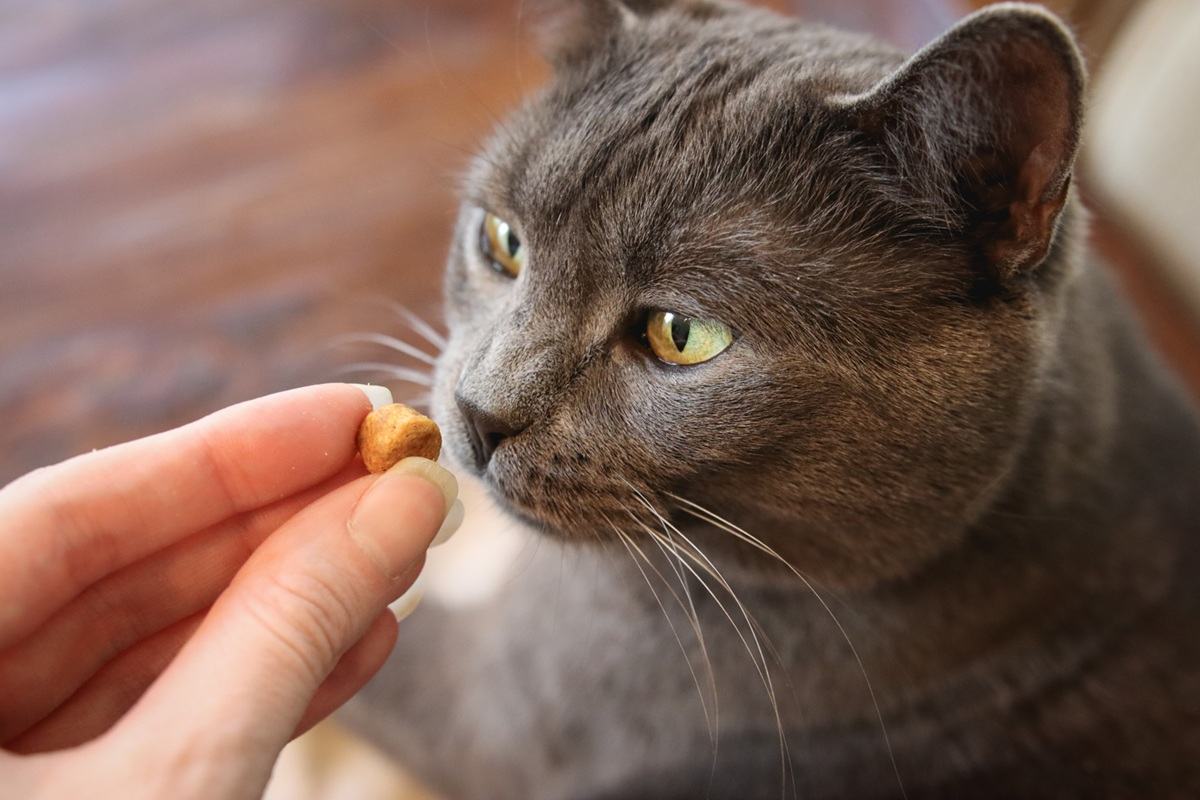
Credit: cats.com
Behavioral Training Techniques
Dealing with food aggression in cats requires patience and the right behavioral training techniques. These techniques help change your cat’s reaction to food and reduce aggressive behavior. Training focuses on building trust and teaching your cat that food is not a threat. Consistent practice and gentle methods work best to calm your cat during feeding times. The following methods include clear steps to guide your cat toward better behavior.
Positive Reinforcement
Positive reinforcement means rewarding your cat for good behavior around food. This encourages your cat to repeat those calm actions. Instead of punishing aggression, you reward peaceful behavior to create a positive experience.
Here are simple ways to use positive reinforcement:
- Give treats when your cat stays calm near food.
- Use a soft voice to praise your cat when it does not growl or swipe.
- Offer petting or playtime as a reward after good behavior.
Use small, tasty treats your cat loves. Deliver rewards immediately after the calm behavior. This helps your cat connect the action with the reward.
| Step | Action | Example |
|---|---|---|
| 1 | Observe your cat | Wait for calm behavior near food |
| 2 | Reward immediately | Give a treat or praise |
| 3 | Repeat often | Practice daily during feeding |
Consistency is key. Avoid rewarding aggressive actions. Over time, your cat will learn calmness brings rewards, not aggression.
Desensitization Methods
Desensitization helps your cat get used to people or other pets near its food without feeling threatened. This method slowly reduces fear and aggression by controlled exposure.
Start with these steps:
- Place your cat’s food bowl in a quiet area.
- Stand or sit at a distance your cat finds safe.
- Feed your cat and talk softly.
- Gradually move closer over several days or weeks.
- Stop if your cat shows signs of stress, then try again later.
This slow approach lets your cat feel safe while adjusting to your presence near food. It helps build trust and reduces defensive actions.
Signs of stress to watch for:
- Hissing or growling
- Flattened ears
- Swiping or backing away
Use breaks and calm reassurances to ease your cat. With patience, your cat will learn that food sharing is safe.
Redirecting Attention
Redirecting attention means guiding your cat’s focus away from food aggression triggers. This technique stops aggressive behavior before it starts.
Try these ideas:
- Offer a favorite toy or puzzle feeder to distract your cat during feeding.
- Call your cat away gently and reward it for leaving the food bowl calmly.
- Use play sessions before feeding to reduce pent-up energy.
Redirecting helps your cat associate feeding time with positive activities instead of threats. It breaks the pattern of aggression by shifting the cat’s mindset.
| Redirecting Technique | How to Use | Benefit |
|---|---|---|
| Toy Distraction | Give a toy near feeding time | Keeps cat busy and calm |
| Gentle Calling | Call cat away, reward calmness | Teaches self-control |
| Pre-Feeding Play | Play before meals | Reduces excess energy |
Use redirecting as part of a regular routine. This helps reduce food aggression and builds a peaceful feeding environment.
When To Seek Professional Help
Food aggression in cats can be stressful and dangerous for both pets and owners. Some cats growl, hiss, or swipe at anyone who comes near their food. It is important to know when to seek professional help to keep everyone safe and to improve your cat’s behavior. Professional guidance can provide the right tools and methods to manage or reduce food aggression effectively. Early intervention prevents bad habits from becoming worse.
Veterinarian Consultation
A visit to the veterinarian is the first step if your cat shows signs of food aggression. A vet checks your cat’s health to rule out medical problems. Pain, illness, or nutritional deficiencies may cause aggressive behavior around food. Treating these issues can reduce aggression quickly.
During the consultation, the vet will:
- Perform a full health exam
- Ask about your cat’s diet and feeding routine
- Check for pain or dental problems
- Discuss your cat’s behavior and history
Sometimes, the vet may suggest blood tests or other diagnostics. If your cat has a health problem, the vet will recommend treatment.
Food aggression caused by illness needs medical care first. Ignoring health issues can make aggression worse. The vet may also provide advice on feeding strategies or safe ways to manage your cat’s aggression.
| Signs to Mention to Your Veterinarian | Possible Vet Action |
|---|---|
| Growling or hissing near food bowl | Behavior history review |
| Swiping or biting during feeding | Physical exam for pain |
| Sudden change in eating habits | Blood tests or diagnostics |
| Weight loss or poor coat condition | Nutrition assessment |
Animal Behaviorist Support
Food aggression often needs more than medical treatment. An animal behaviorist studies your cat’s actions deeply. They find the root cause of aggression beyond health issues. Behaviorists use safe training methods to teach your cat new, calm habits around food.
Behaviorist support includes:
- Observation of your cat’s feeding behavior
- Identifying triggers that cause aggression
- Designing a feeding plan to reduce stress
- Training you on how to handle aggressive moments
Behaviorists often suggest gradual desensitization. This process helps your cat get used to people near their food without feeling threatened. They may recommend feeding your cat in a quiet space or using multiple feeding stations for multi-cat homes.
Working with a behaviorist improves your cat’s comfort and your safety. They provide practical advice and support to change aggressive behavior over time. Their guidance can prevent fights and build trust between you and your cat.
| Behaviorist Techniques | Purpose |
|---|---|
| Desensitization | Reduce fear of humans near food |
| Counter-conditioning | Change negative reactions to positive |
| Management strategies | Prevent aggressive incidents |
| Owner training | Safe handling and feeding methods |
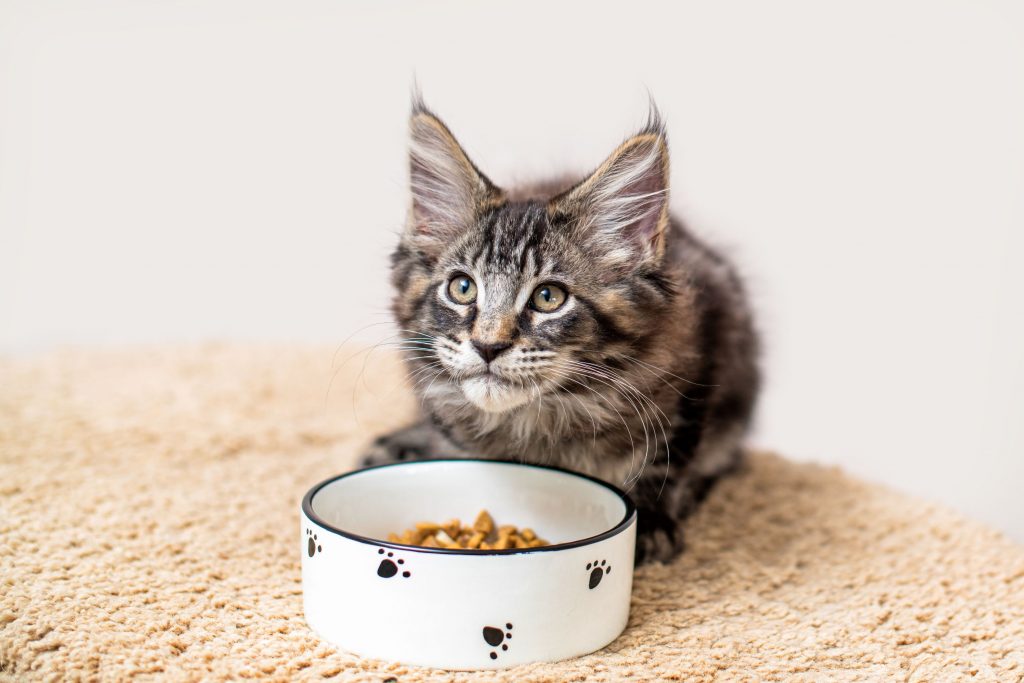
Credit: www.dupontvet.com
Frequently Asked Questions
What Causes Food Aggression In Cats?
Food aggression in cats is usually caused by fear, past scarcity, or competition. It can stem from early experiences or stress. Understanding triggers helps in managing and reducing aggressive behavior around food.
How Can I Safely Feed An Aggressive Cat?
Feed an aggressive cat in a quiet, separate space to reduce stress. Use consistent feeding times and avoid sudden movements. This helps the cat feel secure and less likely to act aggressively during meals.
Can Food Aggression In Cats Be Trained Away?
Yes, food aggression can be managed with patience and training. Positive reinforcement and gradual desensitization help cats associate feeding with calm behavior. Avoid punishment, as it can worsen aggression.
When Should I Consult A Vet About Food Aggression?
Consult a vet if aggression is severe or suddenly worsens. A vet can rule out medical issues and recommend behavior specialists. Early intervention improves outcomes and ensures your cat’s health and safety.
Conclusion
Dealing with food aggression in cats takes time and patience. Start by feeding your cat in a quiet, calm place. Use separate bowls if you have more than one pet. Reward your cat for gentle behavior during meals. Avoid sudden movements around their food.
Watch your cat’s body language closely. Consistency helps your cat feel safe and less stressed. Small steps lead to big improvements. Stay calm and keep trying. Your cat can learn to share space peacefully at mealtime.