How to Feed Kittens Wet Food: Expert Tips for Healthy Growth

Feeding your kitten wet food can feel tricky at first, but it doesn’t have to be. You want to make sure your little furry friend gets the right nutrition while enjoying every bite.
If you’re unsure about when to start, how much to give, or which type of wet food is best, this guide is made just for you. By the end, you’ll feel confident and ready to provide the best meals for your kitten’s healthy growth.
Keep reading to discover simple steps that make feeding time easy and enjoyable for both you and your kitten.
Contents
Choosing The Right Wet Food
Choosing the right wet food for kittens is very important. It helps them grow healthy and strong. Wet food also keeps kittens hydrated and supports their delicate digestion. Picking the best wet food means understanding what kittens need.
Nutritional Needs Of Kittens
Kittens need more protein than adult cats. Protein helps build muscles and supports energy. They also need fats for brain growth and healthy skin. Vitamins like A, D, and E are essential too. Calcium and phosphorus help their bones grow strong. Wet food designed for kittens usually has these nutrients in the right amounts.
Ingredients To Look For
Choose wet food with real meat listed first. Chicken, turkey, or fish are good options. Look for foods that include animal-based proteins. Some vegetables like peas and carrots add fiber. Rice or oats can be gentle on a kitten’s tummy. Avoid foods with too many fillers like corn or wheat. Quality ingredients help kittens get better nutrition.
Avoiding Harmful Additives
Stay away from wet foods with artificial colors or flavors. These can upset a kitten’s stomach. Avoid preservatives like BHA, BHT, or ethoxyquin. These chemicals can be harmful over time. Also, steer clear of high salt or sugar content. Natural ingredients keep your kitten safe and healthy.

Credit: www.youtube.com
When To Start Feeding Wet Food
Knowing when to start feeding your kitten wet food is important for their health. Wet food helps with hydration and offers nutrients kittens need as they grow. Starting at the right time supports their digestion and development.
Ideal Age For Transition
Kittens usually begin eating wet food around 3 to 4 weeks old. At this age, their teeth start to come in. They begin to move away from only drinking their mother’s milk. Introducing wet food now helps them get used to new textures and flavors.
Signs Your Kitten Is Ready
Your kitten shows interest in solid food by sniffing or licking it. They may try to chew or bite wet food offered on a shallow dish. If your kitten can sit up and lap food, these are good signs they are ready. Watch closely for any hesitation or refusal.
Combining Wet And Dry Food
Start by mixing small amounts of wet food with dry kibble. This mix helps kittens adjust to wet food taste and texture. Gradually increase wet food and reduce dry food over several weeks. Keep fresh water available at all times for hydration.
How To Introduce Wet Food
Introducing wet food to kittens needs care and patience. Kittens may be used to milk or dry food. Changing their diet too fast can cause tummy troubles. Slow introduction helps kittens accept new tastes easily. It also helps their digestive system adjust without stress.
Gradual Transition Techniques
Start by mixing a small amount of wet food with dry food. Use about 25% wet food and 75% dry food. Gradually increase the wet food portion over 7 to 10 days. Watch your kitten’s reaction closely during this time. Stop or slow down if they refuse or have diarrhea.
Keep the feeding schedule regular. Offer wet food at the same times daily. This routine helps kittens expect and accept the new food.
Making Wet Food Appealing
Warm the wet food slightly before serving. This releases aroma and makes it more inviting. Use a spoon or your finger to show the food to your kitten. Some kittens like food with soft texture. Try mixing wet food with a little kitten-safe broth for extra flavor.
Always serve fresh wet food. Remove leftovers after 20 to 30 minutes to keep it tasty and safe.
Dealing With Picky Eaters
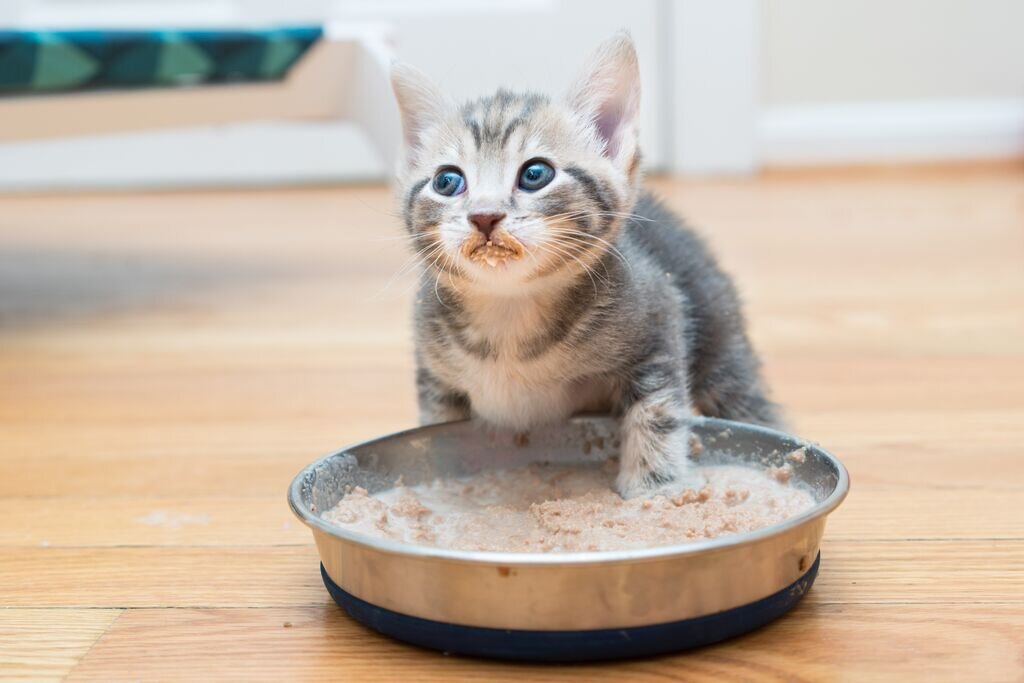
Try different wet food flavors and textures to find what your kitten likes. Be patient and keep offering small amounts regularly. Avoid forcing your kitten to eat. Instead, encourage with gentle praise and petting.
Mix wet food with a bit of dry food or kitten milk to ease acceptance. If problems persist, talk to your vet for advice on feeding picky kittens.
Credit: www.sietesetenta.com.ar
Feeding Frequency And Portion Sizes
Feeding kittens wet food requires attention to how often and how much you feed them. Kittens need small, frequent meals to support their fast growth. Proper feeding frequency and portion sizes ensure healthy development and avoid overeating or hunger.
Daily Feeding Schedule
Kittens under six weeks old need to eat about four times a day. Between six and twelve weeks, feed them three times daily. After three months, two or three meals a day work well. Spread meals evenly throughout the day to keep their energy steady.
Adjusting Portions As Kittens Grow
Start with small portions, about one to two tablespoons per feeding. Increase the amount gradually as your kitten grows. Watch how much food your kitten finishes and adjust the next meal. Growing kittens need more calories, so increase portions carefully.
Monitoring Weight And Health
Check your kitten’s weight regularly to track growth. Healthy kittens gain weight steadily each week. Look for signs of hunger or fullness to help set portion sizes. If your kitten is too thin or gaining too fast, change the feeding amount. Regular vet visits help ensure proper nutrition and health.
Storage And Handling Tips
Feeding kittens wet food requires careful storage and handling. Proper steps keep the food fresh and safe. This helps protect your kitten’s health and ensures they enjoy their meals.
Proper Storage Of Opened Cans
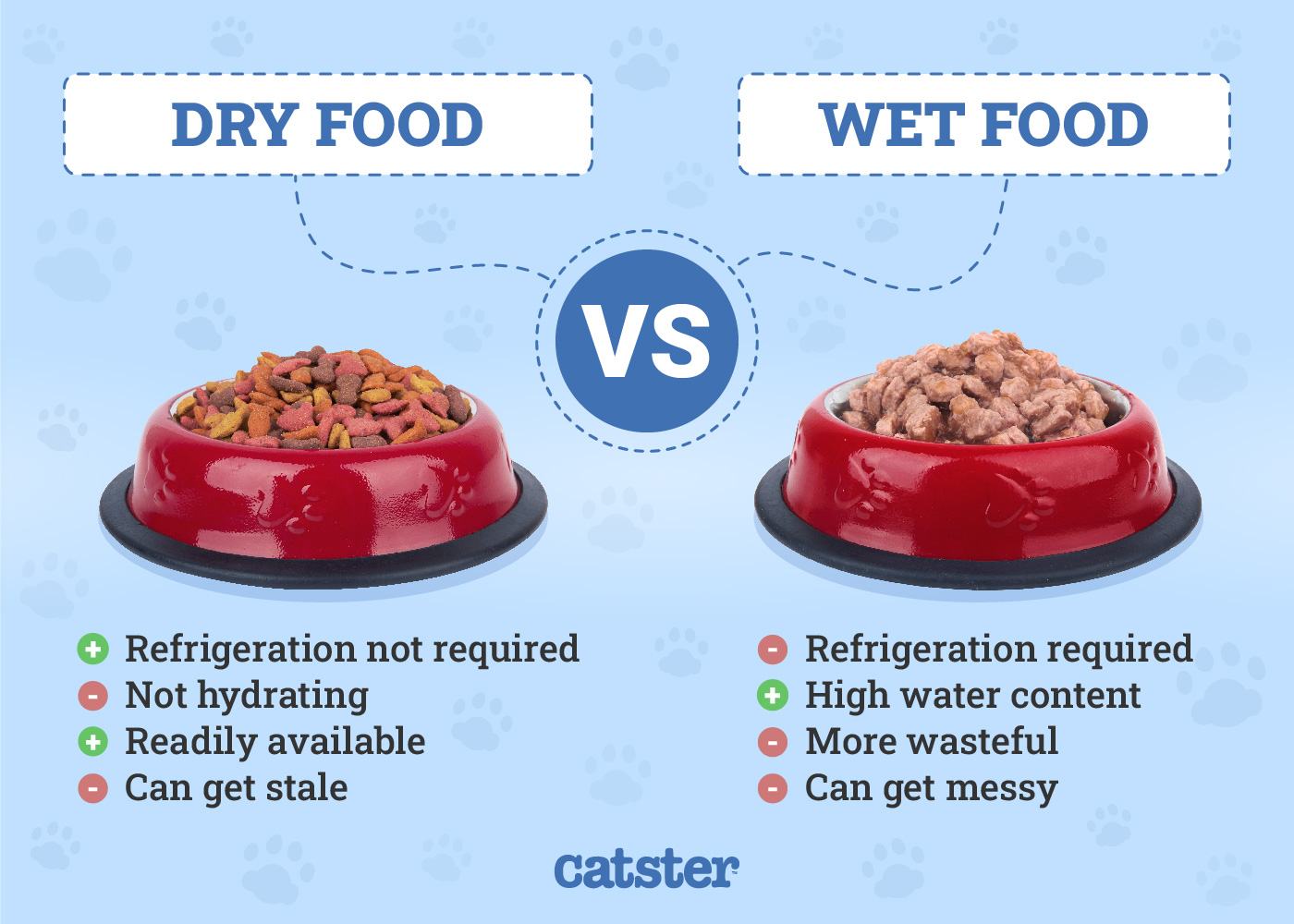
Once opened, wet food must be stored correctly. Transfer leftover food to a clean, airtight container. Avoid leaving food in the opened can. Store the container in the refrigerator. Keep the temperature between 35°F and 40°F. Use the food within 24 hours to keep it fresh.
Maintaining Freshness And Safety
Do not leave wet food out for more than 20 minutes. Warm food spoils fast and can cause stomach upset. Serve small amounts to avoid waste. Always check the smell and look of the food before serving. Discard food that smells bad or looks different.
Cleaning Feeding Bowls
Clean your kitten’s feeding bowls after every meal. Use warm water and mild soap. Rinse thoroughly to remove soap residue. Dry the bowls before the next use. This prevents bacteria buildup and keeps your kitten healthy.
Credit: meilleur-audit-bail-commercial.fr
Common Feeding Challenges
Feeding kittens wet food can bring some challenges. These challenges can affect their health and growth. Understanding these common issues helps you provide the best care. Here are key points to keep in mind while feeding your kitten.
Preventing Overfeeding
Kittens need the right amount of food to grow healthy. Too much wet food can cause weight gain. Overfeeding may lead to health problems later. Measure portions carefully using feeding guidelines. Feed small meals several times a day. Watch your kitten’s weight and adjust food amounts.
Addressing Digestive Issues
Wet food can sometimes upset a kitten’s stomach. Signs include diarrhea, vomiting, or gas. Start with small portions to help their digestion. Choose high-quality wet food with gentle ingredients. If problems continue, try switching brands slowly. Keep fresh water available to help digestion.
When To Consult A Veterinarian
Some feeding problems need expert advice. If your kitten refuses to eat for more than a day, act quickly. Digestive troubles that last more than two days require attention. Sudden weight loss or lethargy also needs a vet visit. Early care helps prevent serious health issues.
Frequently Asked Questions
How Often Should I Feed Kittens Wet Food?
Kittens need wet food 3 to 4 times daily for proper growth. Feeding frequency decreases as they age. Fresh water should always be available alongside meals.
When Can Kittens Start Eating Wet Food?
Kittens can start eating wet food at about 4 weeks old. Begin with small amounts mixed with kitten formula. Gradually increase wet food as they grow.
What Are The Benefits Of Feeding Kittens Wet Food?
Wet food provides hydration and is easier to chew for kittens. It supports healthy weight gain and supplies essential nutrients for development.
How Do I Transition Kittens To Wet Food?
Mix wet food with their current milk or dry food. Gradually increase wet food over 7 days. This helps avoid digestive upset during the transition.
Conclusion
Feeding kittens wet food helps them grow strong and healthy. Choose good quality food and feed small, frequent meals. Keep their bowls clean and offer fresh water always. Watch for signs they like the food and adjust if needed. Patience and care make feeding time easier for both.
Enjoy these moments as your kitten learns and grows. Wet food can be a tasty and nutritious choice for your little friend.