How to Feed Raw Food to Cats: Ultimate Guide for Healthy Pets

Are you thinking about feeding raw food to your cat but don’t know where to start? Switching your furry friend to a raw diet can be rewarding, but it also raises important questions about safety and nutrition.
You want to give your cat the best, and that means understanding exactly how to prepare and serve raw meals that keep them healthy and happy. You’ll discover simple, practical steps to introduce raw food to your cat’s diet with confidence.
Keep reading to learn how to make this change smoothly and safely for your beloved pet.
:strip_icc()/raw-food-diet-for-cats-552329_final-63abf8807a2c450a97dce01e5d80a6c9.png)
Credit: www.larosaflowershop.com
Contents
Benefits Of Raw Feeding
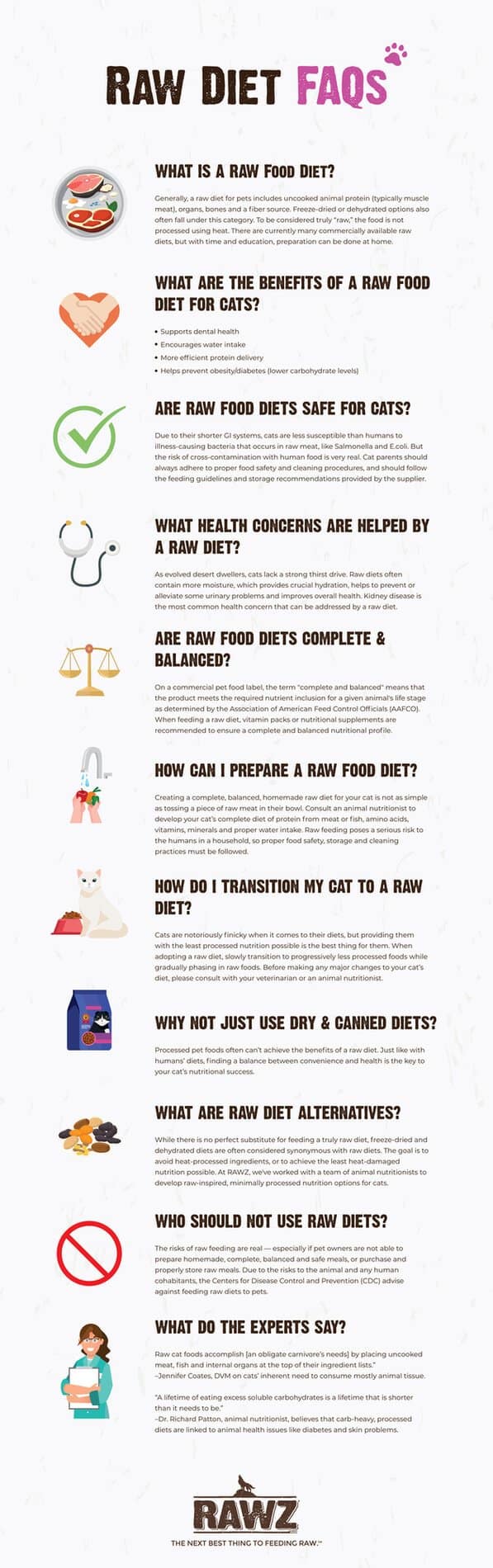
Feeding cats raw food offers many health benefits. This diet mimics what cats eat in the wild. It provides natural nutrients that processed foods lack. Many cat owners see positive changes in their pets.
Improved Digestion
Raw food is easier for cats to digest. It contains natural enzymes that help break down food. Cats absorb nutrients better from raw meals. This leads to less stomach upset and fewer hairballs.
Healthier Coat And Skin
Raw diets provide essential fatty acids like omega-3 and omega-6. These fats support shiny fur and soft skin. Cats often have less itching and fewer skin problems. Their coats look fuller and healthier.
Increased Energy Levels
Cats eating raw food often show more energy. Nutrients in raw food fuel their bodies efficiently. Active cats play more and rest less. This diet supports overall vitality and well-being.
Weight Management
Raw food helps cats maintain a healthy weight. It has high protein and low carbohydrates. This balance supports lean muscle and reduces fat. Cats feel full longer and avoid overeating.
Credit: rawznaturalpetfood.com
Essential Nutrients For Cats
Feeding raw food to cats means understanding their essential nutrients. Cats need a balanced diet to stay healthy and active. Raw feeding mimics their natural eating habits. Knowing key nutrients helps you prepare meals that meet their needs.
Protein Sources
Protein is the main nutrient cats need. It builds muscles and supports body functions. Good raw protein sources include chicken, turkey, rabbit, and beef. Organs like liver and heart are rich in protein too. Always use fresh, high-quality meat for safety.
Fats And Fatty Acids
Fats provide energy and keep skin healthy. Cats need specific fats called fatty acids. Fish oil and animal fat are great sources. Fatty acids help with brain and eye development. Balance fat amounts to avoid weight issues.
Vitamins And Minerals
Vitamins and minerals support many body processes. Calcium is crucial for strong bones and teeth. Meat alone lacks enough calcium, so add bone or supplements. Vitamin A, taurine, and zinc are vital for cats. A varied diet ensures they get these nutrients.
Avoiding Harmful Ingredients
Some foods harm cats. Avoid onions, garlic, and raw eggs. These can cause sickness or digestive problems. Never feed cooked bones; they can splinter and hurt. Steer clear of added salt, sugar, or spices. Safe raw feeding means careful ingredient choices.
Preparing Raw Meals
Preparing raw meals for cats takes care and attention. Every step matters to keep your cat healthy. You must choose good ingredients, handle food safely, balance nutrition, and feed the right portions. This section explains how to prepare raw meals properly.
Choosing Quality Ingredients
Select fresh meat from trusted sources. Use muscle meat, organs, and bones suitable for cats. Avoid processed or spoiled food. Fresh vegetables and supplements can add nutrients. Always pick ingredients free from chemicals and additives.
Safe Handling And Storage
Wash hands before and after handling raw food. Use clean utensils and surfaces. Store raw meals in sealed containers in the fridge or freezer. Thaw frozen food in the fridge, never at room temperature. Keep raw meat separate from other foods to avoid cross-contamination.
Balancing The Diet
Cats need protein, fat, vitamins, and minerals. Include a mix of muscle meat, organs, and bones for nutrients. Add supplements like taurine and fish oil if needed. Avoid too many carbs or fillers. Consult a vet to ensure your cat’s diet is complete.
Portion Sizes And Feeding Frequency
Feed based on your cat’s weight and activity level. Small meals several times a day work best. Monitor your cat’s weight and adjust portions as needed. Avoid overfeeding to prevent obesity. Fresh water should always be available alongside raw meals.
Transitioning To Raw Food
Switching your cat to a raw food diet takes time and care. Cats need to adjust slowly to avoid digestive problems. A smooth transition helps your cat accept new food happily. Watch your cat closely during this period. Their health and mood tell you if the change is right.
Gradual Introduction
Start by mixing a small amount of raw food into your cat’s usual diet. Increase the raw food portion little by little each day. This slow change helps your cat’s stomach get used to raw food. Avoid switching too fast. A fast change can cause upset stomach or refusal to eat.
Monitoring Health And Behavior
Look for signs of good digestion like normal stools and energy. Your cat should stay active and alert. Check for vomiting or diarrhea. These signs mean the transition might be too fast. Keep track of your cat’s weight and appetite. Healthy cats will eat well and maintain weight.
Dealing With Picky Eaters
Some cats resist new food types at first. Try warming the raw food slightly for better smell. Offer the food in small portions throughout the day. Mix raw food with a favorite treat to encourage eating. Patience is key. Give your cat time to accept the new taste.
Common Challenges
Your cat may face some problems during transition. Digestive upset is common but usually short-lived. Cats may refuse raw food initially. Keep fresh water available at all times. Clean feeding bowls daily to prevent bacteria. Consult a vet if problems continue beyond two weeks.
Safety Precautions
Feeding raw food to cats requires careful attention to safety. Raw meat can carry harmful bacteria. Taking precautions protects your cat’s health. It also keeps your home safe.
Preventing Bacterial Contamination
Always buy fresh, high-quality meat. Store it in the coldest part of the fridge. Use separate cutting boards for raw meat. Clean utensils thoroughly after use. Serve raw food in clean bowls. Avoid leaving raw food out for long periods. Freeze unused portions promptly to stop bacteria growth.
Hygiene Tips For Owners
Wash your hands before and after handling raw food. Clean all surfaces that touch raw meat with hot, soapy water. Use gloves if possible to reduce direct contact. Avoid touching your face during preparation. Keep your cat’s eating area clean daily. Dispose of packaging and leftovers immediately to prevent odors and pests.
Consulting Your Veterinarian
Talk to your vet before switching to raw food. They can advise on safe practices and balanced diets. Share any health concerns or allergies your cat has. Follow their guidance on supplements and portion sizes. Regular check-ups help monitor your cat’s health on a raw diet.
Credit: thelittlecarnivore.com
Raw Feeding Myths
Raw feeding for cats often sparks many questions and doubts. People share many ideas that are not always true. These myths can make feeding raw food seem risky or unsafe. Understanding the facts helps pet owners make better choices.
Debunking Common Misconceptions
Many believe raw food is dangerous due to bacteria. Proper handling and hygiene reduce this risk a lot. Another myth says raw feeding lacks nutrition. Raw diets can meet all nutritional needs with the right balance. Some think raw feeding is expensive. Preparing food at home can be cost-effective. People often worry about bones causing harm. Using safe, appropriate bones or ground meat solves this issue.
Scientific Research Insights
Studies show raw diets can improve digestion and coat health. Research finds cats absorb nutrients better from raw food. Some trials report fewer allergies and dental problems. Scientists stress the importance of balanced meals. Raw feeding requires careful planning to avoid deficiencies. Experts recommend consulting vets for safe raw feeding.
Supplements And Add-ons
Feeding raw food to cats means more than just meat. Supplements and add-ons help fill nutritional gaps. They support your cat’s health and keep the diet balanced. Knowing what to add and when is key for success.
When To Use Supplements
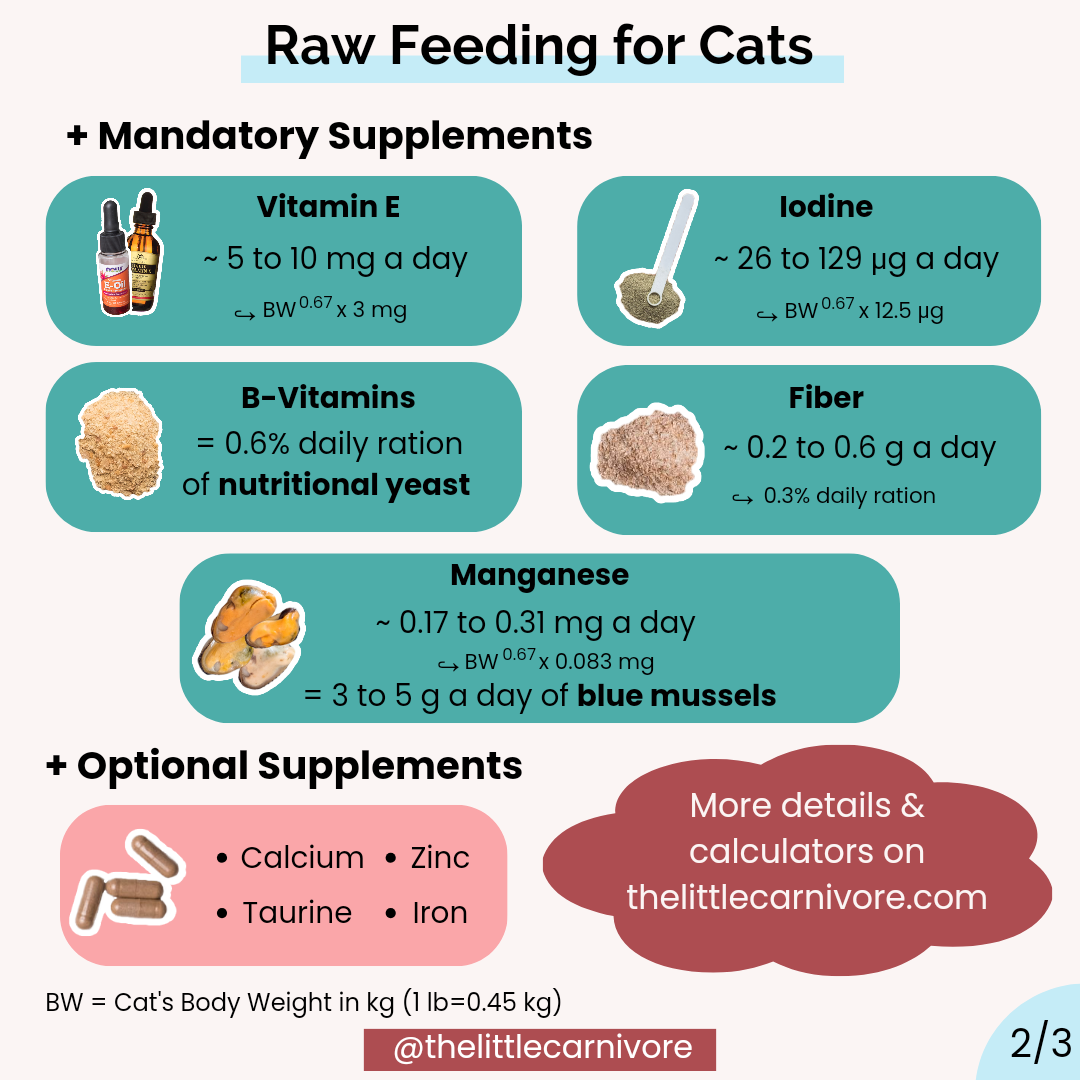
Raw food can lack some vitamins and minerals. Use supplements if your cat shows signs of deficiency. Pregnant or sick cats might need extra nutrients. Also, add supplements if you feed only muscle meat. This meat misses key elements like calcium.
Popular Supplements For Raw Diets
Common supplements include taurine, fish oil, and calcium. Taurine supports heart and eye health. Fish oil adds omega-3 fatty acids for skin and coat. Calcium helps bones and teeth. Some owners add vitamin E or probiotics for digestion and immunity. Always choose high-quality supplements made for cats.
Balancing With Treats
Treats can be part of a raw diet. Use small amounts to avoid upsetting balance. Avoid treats high in carbs or additives. Freeze-dried raw treats or small pieces of raw meat work well. Treats should support, not replace, meals. Keep treats natural and simple for best results.
Frequently Asked Questions
What Are The Benefits Of Feeding Raw Food To Cats?
Raw food offers cats better digestion, shinier coats, and higher energy. It mimics their natural diet and reduces processed ingredients. Many cats experience improved dental health and smaller stools with raw diets.
How Do I Safely Prepare Raw Food For My Cat?
Always use fresh, high-quality meat. Clean all utensils and surfaces thoroughly. Store raw food in sealed containers and refrigerate immediately. Avoid cross-contamination and wash your hands well after handling raw meat.
Can All Cats Eat Raw Food Diets Safely?
Most healthy cats can eat raw diets, but consult a vet first. Kittens, pregnant, or sick cats may need special care. Always introduce raw food gradually and monitor your cat’s health closely.
What Types Of Raw Food Are Best For Cats?
Cats thrive on raw muscle meat, organs, and bones. Include poultry, beef, or fish with added taurine supplements. Avoid processed meats and foods with additives or seasoning.
Conclusion
Feeding raw food to cats can improve their health and happiness. Start slowly and watch your cat’s reaction closely. Keep meals balanced with meat, bones, and organs. Always follow safety tips to avoid illness. Consult a vet for advice tailored to your cat.
Raw feeding takes effort but can be rewarding. Your cat may enjoy tastier, more natural meals. Remember, patience and care make the process easier. Give your cat the best chance for a healthy life.