How to Find Out Sodium in Cat Food: Easy Tips for Pet Health

Are you worried about the amount of sodium in your cat’s food? Knowing how much sodium is in your cat’s diet is important for their health and well-being.
Too much sodium can lead to serious health problems, but finding this information isn’t always easy. You’ll learn simple and effective ways to check sodium levels in cat food. By the end, you’ll feel confident making the best choices for your furry friend’s nutrition.
Keep reading to discover how to protect your cat’s health with the right information.
Contents
Importance Of Sodium For Cats
Sodium is a key nutrient in a cat’s diet. It helps many body functions work well. Cats need some sodium to stay healthy. But too much or too little can cause problems. Understanding sodium’s role helps choose the right cat food.
Role Of Sodium In Cat Health
Sodium helps control water balance in cats. It keeps cells and organs working properly. Nerves use sodium to send signals. Muscles need sodium to move and contract. Sodium also supports proper blood pressure. Without enough sodium, cats may feel weak or tired.
Risks Of Excess Sodium Intake
Too much sodium can harm a cat’s health. It may cause high blood pressure. This can lead to heart and kidney problems. Cats with heart disease are more at risk. Excess sodium may also cause dehydration. Watch sodium levels in cat food carefully.

Credit: concordpetfoods.com
Reading Cat Food Labels
Reading cat food labels helps you understand what your cat eats. Labels show important details about nutrients and ingredients. Sodium is one such nutrient that affects your cat’s health. Knowing how to find and read sodium content on labels helps you choose better food. It ensures your cat gets the right amount of sodium for its needs.
Where To Find Sodium Information
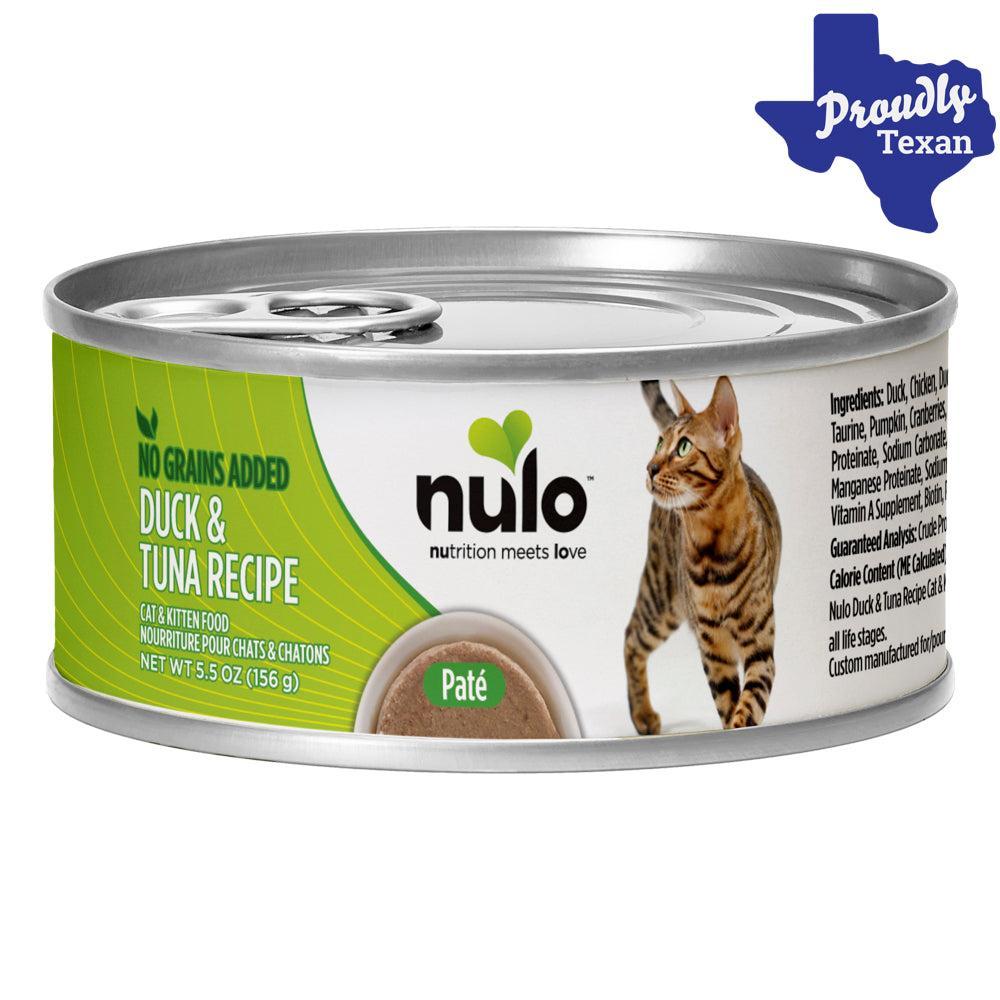
Sodium information is usually in the guaranteed analysis section. This part lists minerals and nutrients in the food. Sometimes, sodium appears under “Minerals” or “Electrolytes.” Look for terms like “sodium” or “Na.” The amount may be in milligrams (mg) or as a percentage. Check the label carefully to find these details.
Interpreting Sodium Content Values
Numbers show how much sodium is in the food. A small number means low sodium, a large number means high. Compare sodium values with your cat’s daily needs. Too much sodium can cause health problems. Too little may not meet your cat’s requirements. Use these values to pick the best food for your pet’s health.
Comparing Different Cat Foods
Comparing different cat foods helps you find the right sodium level for your pet. Sodium affects a cat’s health, especially for those with heart or kidney issues. Understanding the sodium content in various foods guides better choices.
Dry Vs. Wet Food Sodium Levels
Dry cat food usually has more sodium per serving than wet food. This happens because dry food is more concentrated. Wet food contains water, which lowers sodium concentration by volume. Always check the nutrition label for exact sodium amounts. Remember, serving size changes sodium intake too. Some cats prefer wet food, which can be healthier for sodium control.
Choosing Low-sodium Options
Look for cat foods labeled as low sodium or reduced sodium. These products help protect your cat’s heart and kidneys. Avoid foods with salt listed high in the ingredients. Natural ingredients often have less sodium. Homemade diets can control sodium but consult your vet first. Feeding low-sodium food supports long-term health and wellbeing.
Using Online Resources
Finding out the sodium content in cat food is easier with online tools. These resources provide clear and quick access to nutrition facts. They help pet owners choose the best food for their cats’ health. Using the internet saves time and offers trustworthy information.
Reliable Databases For Cat Food Nutrition
Several websites list detailed nutrition facts for many cat food brands. They show sodium levels clearly, helping you compare different products. Examples include pet food company websites and veterinary health sites. These databases update regularly to provide accurate data. Searching here avoids guesswork and helps make informed decisions.
Apps To Track Sodium Intake
Mobile apps make tracking your cat’s sodium intake simple. You can scan barcodes or enter product names to get nutrition facts fast. Some apps offer alerts for high sodium levels. They also keep records of what your cat eats daily. Using apps helps monitor and control sodium intake easily.
Consulting Your Veterinarian
Consulting your veterinarian is a smart step to find out the sodium content in your cat’s food. Vets have the knowledge to guide you on safe sodium levels. They understand your cat’s health needs and can help choose the right diet. This advice ensures your cat stays healthy and happy.
When To Seek Professional Advice
Look for a vet’s help if your cat has health problems. Conditions like kidney disease or heart issues need careful sodium control. Sudden changes in appetite or behavior may also signal a need for advice. A vet can test and give clear instructions on diet changes. Early advice can prevent serious health problems later.
Personalizing Sodium Needs For Your Cat
Each cat has unique sodium needs. Age, weight, and health all affect these needs. A vet can create a diet plan that fits your cat. They may suggest special foods with lower sodium. Monitoring your cat’s response to the diet is important too. This personal approach helps keep your cat strong and well.
Credit: tomlinsons.com
Homemade Cat Food Tips
Making homemade cat food can help control what your cat eats. It lets you manage the sodium levels carefully. Cats need low sodium for good health. You can choose fresh ingredients and avoid harmful additives. Cooking at home means you know exactly what goes in your cat’s bowl.
Controlling Sodium In Recipes
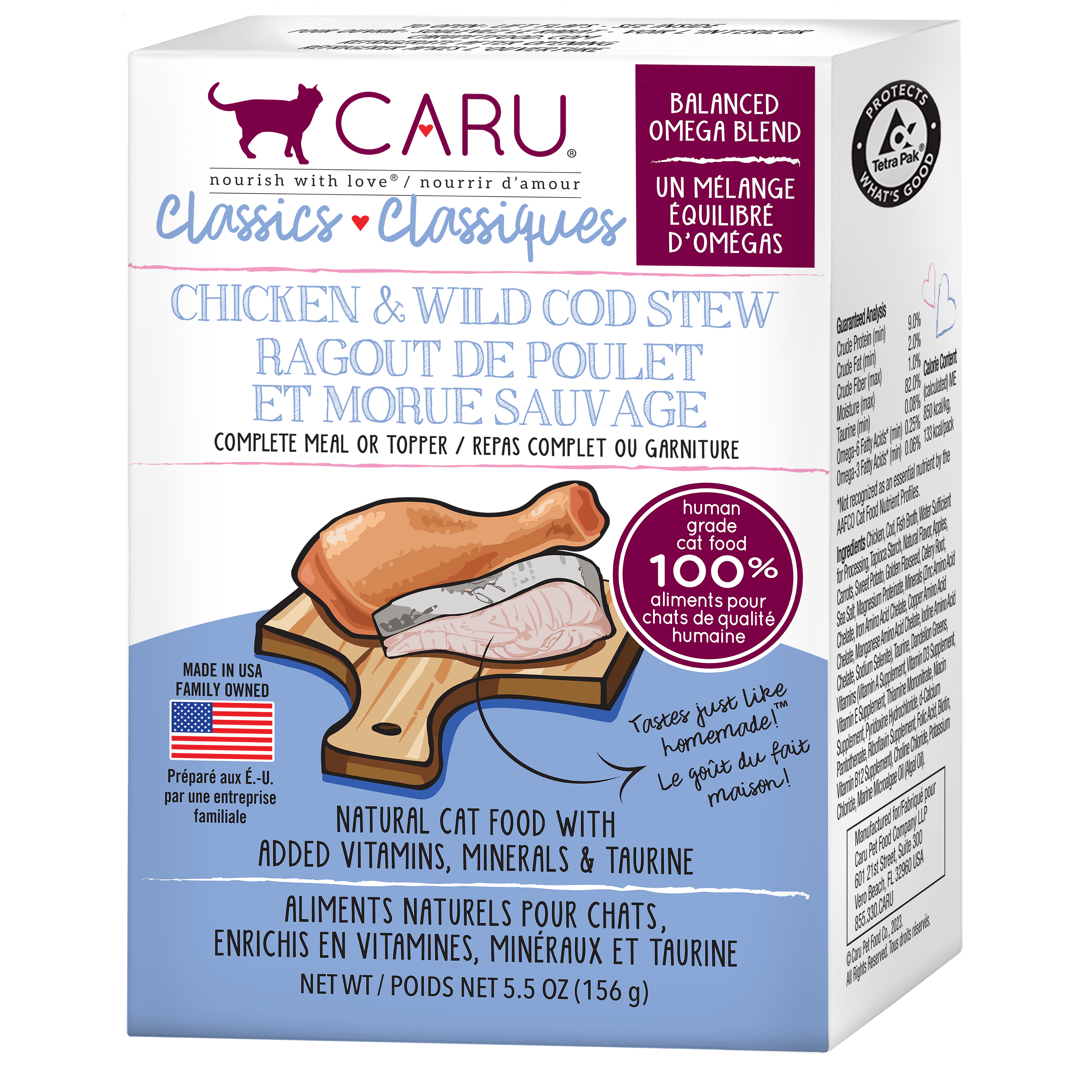
Start by using fresh meat without salt. Avoid processed meats like ham or bacon. Use water or broth without salt for cooking. Measure ingredients to keep sodium low. Skip seasoning mixes that contain salt. Check labels if you use store-bought items. Keep sodium below 0.3% in the final mix. This supports your cat’s kidney and heart health.
Safe Ingredients For Cats
Use lean meats such as chicken, turkey, or fish. Include cooked eggs for protein and nutrients. Add small amounts of cooked vegetables like carrots or peas. Avoid onions, garlic, and other toxic foods. Use plain rice or oats for some energy. Fresh water must be available at all times. These ingredients offer balanced nutrition with low sodium.
Credit: carupetfood.com
Frequently Asked Questions
How Can I Check Sodium Content In Cat Food?
Check the cat food label for sodium or salt content. It is usually listed in milligrams or as a percentage. You can also visit the manufacturer’s website for detailed nutritional information.
Why Is Sodium Important In Cat Food?
Sodium helps maintain fluid balance and nerve function in cats. However, too much sodium can cause health issues like high blood pressure. It’s crucial to monitor sodium levels to keep your cat healthy.
What Is The Ideal Sodium Level For Cats?
The ideal sodium level in cat food ranges from 0. 2% to 0. 5% on a dry matter basis. This supports normal bodily functions without risking health problems from excess salt intake.
Can High Sodium Harm My Cat’s Health?
Yes, excessive sodium can lead to dehydration, kidney issues, and heart problems. Always choose cat foods with controlled sodium levels to ensure your pet’s well-being.
Conclusion
Finding out sodium in cat food helps keep your pet healthy. Check the food label carefully for sodium content. Compare different brands to choose the best option. Too much sodium can harm your cat’s health. Low sodium helps avoid kidney and heart problems.
Always ask your vet if unsure about your cat’s diet. Keep your cat’s meals balanced and safe. Small steps matter in caring for your furry friend. Stay informed and make smart food choices for your cat.