How to Get My Cat to Stop Begging for Food: Proven Tips That Work

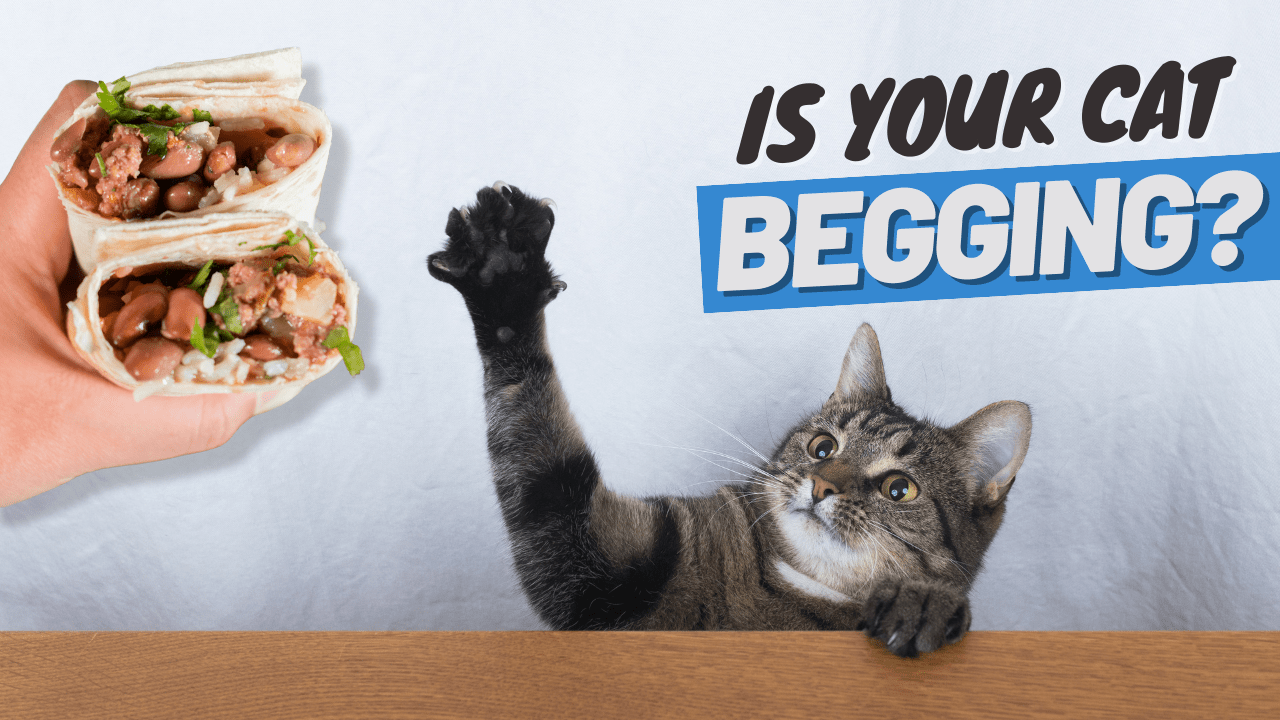
Does your cat follow you everywhere, meowing and staring intently every time you have food? You’re not alone.
Many cat owners struggle with their furry friends begging for food nonstop. It can be frustrating and even lead to unhealthy habits for your pet. But don’t worry—there are simple, effective ways to stop this behavior without making your cat feel ignored or hungry.
Keep reading, and you’ll discover easy steps that will bring peace back to mealtime and help your cat stay happy and healthy.
Contents
Why Cats Beg For Food
Cats begging for food can be puzzling. You might wonder why your cat won’t stop. Understanding why cats beg helps you manage this behavior. Cats have different reasons for begging, from natural urges to health issues. Let’s explore why cats ask for food so often.
Natural Instincts
Cats are hunters by nature. In the wild, they need to eat often to keep their energy. This instinct makes them want food frequently. Even house cats keep this urge. They may beg because they feel hungry or want attention. Their natural drive pushes them to ask for food.
Learned Behavior
Cats learn to beg when it works. If you give food when your cat begs, it will repeat the action. They remember this and keep begging to get treats. This behavior grows stronger over time. Cats quickly understand which actions bring rewards. Begging becomes a habit, not just hunger.
Begging can also mean a health problem. Some cats beg more if they have medical issues. Conditions like diabetes or parasites increase hunger. Pain or discomfort may cause restlessness and begging. Watching your cat’s behavior helps spot health problems early.
Setting Boundaries At Mealtime
Setting boundaries at mealtime helps stop your cat from begging. Cats learn habits quickly. They need clear rules about eating times and places. Boundaries make your cat feel safe and less anxious.
Establish A Feeding Schedule
Feed your cat at the same times each day. Cats like routine. This helps reduce their hunger anxiety. Your cat will expect food only during these set times. Avoid giving food outside the schedule.
Create A Designated Eating Area
Choose one spot for your cat’s meals. Keep their food and water bowls there. This area should be quiet and safe. Your cat will learn this is their eating place. It stops them from asking for food elsewhere.
Avoid Feeding From The Table
Never give your cat food from the dining table. This teaches bad habits. Cats will beg more if they get scraps. Stick to feeding only in their bowl. Your cat will stop expecting food at the table.
Training Techniques To Reduce Begging
Training your cat to stop begging for food takes patience and clear steps. Cats learn through consistent actions. Using the right techniques helps change their behavior over time.
Focus on teaching your cat what is acceptable during meal times. These training methods reduce begging and improve your bond with your pet. Start with simple actions and be patient with progress.
Ignoring Begging Behavior
Do not give your cat food while it begs. Any attention can encourage begging. Turn away or leave the room when your cat starts to beg. This shows that begging does not bring rewards. Over time, your cat will learn to stop begging for food.
Using Positive Reinforcement
Give treats only when your cat waits quietly. Praise your cat with soft words or petting. Reward calm behavior near meal times. Positive reinforcement teaches your cat what you want. It helps build good habits faster.
Redirecting Attention
Offer toys or playtime instead of food. Distract your cat when it starts to beg. Use a favorite toy or gentle play to shift focus. Redirecting attention breaks the begging habit. It keeps your cat busy and happy.

Credit: www.reddit.com
Diet And Nutrition Adjustments
Adjusting your cat’s diet and nutrition can reduce begging behavior. Cats beg because they feel hungry or want tasty treats. Feeding your cat the right food in the right amount helps keep them full and happy. Small changes in their meals can make a big difference.
Balanced Meals
Give your cat meals with the right mix of protein, fat, and fiber. Cats need high protein to feel full and stay healthy. Use quality cat food made for their age and health needs. Avoid giving only dry or only wet food. A balance helps stop constant hunger.
Choosing Satiating Foods
Select foods that keep your cat feeling full longer. Wet food has more moisture and can help your cat feel satisfied. Foods with added fiber slow digestion and reduce hunger. Avoid foods with too many fillers or sugars that make cats want more.
Portion Control
Feed your cat the right amount at set times each day. Use a measuring cup to avoid giving too much. Overfeeding causes begging and can lead to weight gain. Stick to the recommended portions on the food package or follow your vet’s advice.
Managing Emotional And Environmental Factors
Managing emotional and environmental factors plays a big role in stopping your cat from begging. Cats often beg because they feel bored, anxious, or stressed. Changing their surroundings and mood helps reduce this behavior. Giving your cat the right mental and physical outlets keeps them happy and less focused on food.
Providing Mental Stimulation
Keep your cat’s mind busy with toys and puzzles. Use food-dispensing toys to slow down eating and add fun. Rotate toys often to keep things fresh and interesting. Teaching simple tricks or commands also challenges their brain. A mentally active cat is less likely to beg for food out of boredom.
Ensuring Physical Activity
Exercise helps your cat use extra energy and stay healthy. Play with your cat daily using wand toys or balls. Create climbing spots like shelves or cat trees. Encourage hunting instincts with laser pointers or small toys. Tired cats focus less on food and more on resting.
Reducing Stress And Anxiety
Stress can cause your cat to beg more for comfort. Provide a quiet, safe space where they can relax. Use calming aids like pheromone diffusers or gentle music. Keep a regular feeding and play schedule to create stability. A calm cat feels secure and less driven to beg for food.

Credit: companion-vets.com
When To Consult A Veterinarian
Sometimes, a cat’s begging for food is more than just bad manners. It can signal health or behavior problems. Knowing when to contact a veterinarian is key to keeping your cat healthy and happy.
Identifying Medical Issues
Begging may mean your cat feels hungry due to illness. Conditions like diabetes or thyroid problems can increase appetite. Your vet can check for these hidden issues. Early diagnosis helps avoid serious health risks.
Weight Management Support
Overweight cats often beg for more food. This can lead to obesity, causing joint pain and other problems. Vets guide safe diet plans and exercise routines. They help your cat reach a healthy weight without feeling hungry.
Behavioral Therapy Options
Sometimes begging is a learned habit or a sign of stress. Vets can suggest behavior therapies or calming techniques. They may recommend changes in feeding schedules or environment. This helps reduce begging and improves your cat’s well-being.
Credit: www.outdoorbengal.com
Frequently Asked Questions
How Can I Train My Cat To Stop Begging For Food?
Consistently ignore begging behavior and avoid giving extra treats. Feed your cat on a strict schedule. Use positive reinforcement to reward calm behavior without food.
Why Does My Cat Beg For Food Constantly?
Cats beg due to hunger, boredom, or learned behavior. They associate your eating with attention and treats. Address their diet and provide engagement to reduce begging.
What Type Of Food Helps Reduce Cat Begging?
Feed high-quality, nutrient-rich cat food to keep your cat satisfied. Balanced meals with protein and fiber help curb hunger and reduce begging urges.
Can Feeding Smaller, Frequent Meals Stop Begging?
Yes, feeding smaller portions multiple times a day can keep your cat full. This reduces hunger-driven begging by maintaining steady energy levels throughout the day.
Conclusion
Stopping your cat from begging takes patience and consistency. Set clear meal times and stick to them. Avoid giving extra snacks between meals. Offer toys and playtime to distract your cat. Remember, cats learn by routine and attention. Your calm and steady actions help change their behavior.
Soon, your cat will stop begging and feel happier. Small steps lead to big changes over time. Keep caring and stay patient with your furry friend.