How to Get Rid of Cat Litter Box Smell: Easy & Effective Tips

Are you tired of your home smelling like your cat’s litter box? You’re not alone.
That lingering odor can make even the coziest rooms feel uncomfortable. But the good news is, you don’t have to live with it. Imagine walking into your home and feeling fresh air instead of unpleasant smells. You’ll discover simple, effective ways to eliminate that stubborn litter box smell for good.
Keep reading, and you’ll learn how to keep your space smelling clean and inviting—without stress or hassle.

Credit: kdfoundation.org
Contents
Causes Of Litter Box Odor
Bad smells from a cat litter box can make your home unpleasant. Understanding the causes helps control the odor effectively. Several factors contribute to the smell. These include the litter type, cleaning habits, and natural sources inside the box.
Common Smell Sources
Urine and feces are the main sources of litter box odor. Bacteria break down waste and release strong ammonia smells. Leftover waste builds up quickly and worsens the smell. Moisture inside the box also helps bacteria grow fast. Odors can spread into the room if not managed.
Impact Of Litter Type
Different litters absorb moisture and odors differently. Clay litters often trap smells better but can be dusty. Natural litters like corn or pine may smell fresher but need frequent changing. Some litters have added scents that mask odors but do not remove them. Choosing the right litter is key to reducing smell.
Role Of Cleaning Frequency
Cleaning the litter box often is critical. Removing waste daily cuts down odor buildup. Washing the box weekly stops bacteria growth on surfaces. Delayed cleaning allows smells to become stronger and harder to remove. Regular care keeps the area fresh for you and your cat.
Choosing The Right Litter
Choosing the right cat litter can reduce unpleasant smells significantly. The litter you pick impacts how fresh your home feels. It affects cleaning time and your cat’s comfort. Selecting litter depends on your needs and your cat’s habits. Below are key points to consider about different litter types.
Clumping Vs Non-clumping
Clumping litter forms solid clumps when wet. This makes scooping easier and helps trap odors. Non-clumping litter absorbs moisture but doesn’t form clumps. It requires more frequent changing to control smell. Clumping litter usually controls odor better and lasts longer. Some cats prefer one type over the other. Test both to see which your cat likes best.
Odor-control Litter Options
Many litters include odor-control ingredients. Baking soda or charcoal often helps absorb smell. Some litters have added fragrances to mask odors. Choose unscented if your cat has allergies or sensitive nose. Odor-control litters keep the box smelling fresh longer. Regular scooping still remains important for odor control.
Natural And Eco-friendly Choices
Natural litters use materials like corn, wheat, or pine. These litters biodegrade and are better for the environment. They often have mild, natural scents. Some natural litters are good at controlling odor without chemicals. Check if your cat accepts this type easily. Natural litters need changing more often than clay-based ones.
Effective Cleaning Techniques
Effective cleaning techniques keep your cat’s litter box fresh and odor-free. Cleanliness prevents smells from building up. A good routine helps your home stay pleasant and your cat happy. Follow these simple steps to maintain a fresh litter box every day.
Daily Scooping Tips
Scoop the litter box at least once a day. Remove clumps and solid waste quickly. Use a scoop with holes to separate clean litter easily. This practice stops smells before they start. Clean the scoop regularly to avoid bacteria buildup.
Deep Cleaning Methods
Deep clean the litter box once a week. Empty all the litter and wash the box with warm water. Use mild soap or a vinegar solution to remove odors. Avoid strong chemicals that can harm your cat. Dry the box completely before adding fresh litter.
Proper Disposal Of Waste
Dispose of cat waste in sealed bags to trap odors. Use a dedicated trash bin with a lid near the litter box. Empty the bin frequently to prevent smells. Never flush cat litter down the toilet to avoid plumbing issues. Proper disposal keeps your home smelling clean.
Using Deodorizers And Absorbers
Using deodorizers and absorbers helps control litter box smell effectively. These products reduce odors quickly and keep your home fresh. They work by neutralizing or absorbing bad smells from cat waste. Choosing the right deodorizer or absorber is important for safety and effectiveness.
Types Of Deodorizers
There are several types of deodorizers available. Powder deodorizers mix easily with litter and neutralize odors. Spray deodorizers freshen the air around the litter box. Gel deodorizers sit near the box and absorb smells over time. Each type targets odors differently, so pick one that fits your needs.
Diy Odor Absorbers
Simple homemade solutions can absorb litter box odors well. Baking soda sprinkled in the litter helps reduce smells. Activated charcoal placed near the box absorbs bad odors. A small bowl of white vinegar next to the box can also help. These DIY methods are cheap and safe for cats.
Safe Products For Cats
Choose deodorizers that are non-toxic and safe for pets. Avoid products with strong chemicals or artificial fragrances. Look for natural ingredients like baking soda or plant extracts. Safe products protect your cat’s health while keeping odors away. Always check labels before buying any deodorizer.
Litter Box Placement And Maintenance
Managing cat litter box smell starts with proper placement and good maintenance. These two factors control odor and keep your home fresh. A well-placed box reduces smell spread. Regular cleaning stops odors before they build up. Follow simple tips to make your litter box area odor-free.
Choosing The Best Location
Pick a quiet, low-traffic spot for the litter box. Avoid areas near food or sleeping spaces. Choose a place easy to clean around. A corner or small room works well. Keep the box away from direct sunlight. This helps control moisture and smell.
Ventilation And Airflow
Good airflow lowers odor inside your home. Place the box in a room with a window or vent. Use a fan if needed to move air. Avoid closed, small spaces where smell builds up. Fresh air helps reduce ammonia and bacteria.
Regular Maintenance Schedule
Clean the litter box daily to stop smells. Scoop out waste at least once every day. Replace the litter fully once a week. Wash the box with mild soap and water each time you change litter. Use baking soda in the litter to absorb odors. Keep up these habits for a fresh home.
Credit: maslofriduero.com
Additional Tips To Reduce Smell
Keeping the cat litter box smelling fresh is a common challenge. Beyond regular cleaning, some extra steps help control odors better. These tips focus on your cat’s health and the setup of the litter box area. Small changes can make a big difference.
Diet And Hydration Effects
Your cat’s diet affects the smell of its waste. High-quality food leads to less smelly litter boxes. Wet food increases hydration, which softens urine and reduces odor. Make sure your cat drinks enough water daily. Better hydration means less strong-smelling urine.
Multiple Cats Management
More cats mean more waste and stronger odors. Provide one litter box per cat plus one extra. This reduces crowding and keeps boxes cleaner longer. Scoop each box at least twice a day. Place boxes in different rooms to spread out odors.
Using Litter Box Liners
Liners make cleaning easier and help contain smells. They create a barrier between waste and the box. Replace liners regularly to avoid buildup. Choose strong, tear-resistant liners for best results. Liners also protect the box from stains and odors.
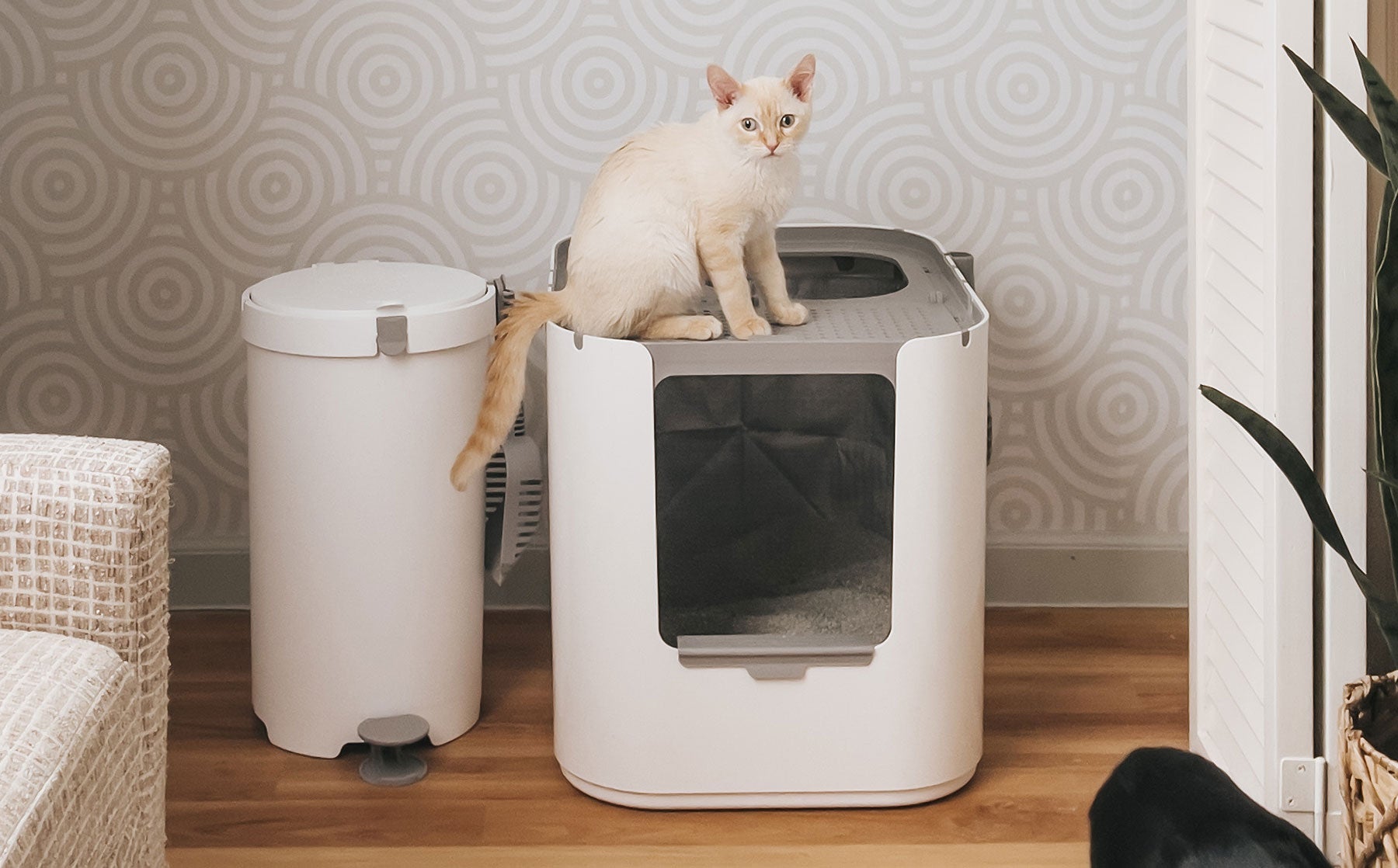
Credit: modkat.com
Frequently Asked Questions
How Often Should I Clean My Cat Litter Box?
Clean the litter box daily to prevent odors. Scoop out waste every day and change the litter completely once a week for best results.
What Type Of Litter Controls Odor Best?
Clumping clay litter or silica gel crystals absorb moisture and trap odors effectively. Choose unscented options to avoid irritating your cat.
Can Baking Soda Help Reduce Litter Box Smell?
Yes, sprinkling baking soda at the bottom of the litter box neutralizes odors naturally. Use a thin layer to avoid disturbing your cat.
How Can I Keep The Litter Box Area Fresh?
Place the box in a well-ventilated area. Clean surrounding floors regularly and consider using an air purifier or odor absorber nearby.
Conclusion
Keeping your cat’s litter box fresh is easier than it seems. Clean the box often and use good quality litter. Try scooping daily and washing the box weekly. Place the box in a well-ventilated spot. Using baking soda or odor absorbers can help too.
These small steps reduce bad smells quickly. A fresh litter box means a happy home for you and your cat. Simple habits make a big difference in keeping your space clean and pleasant.