How to Help My Cats Get Along: Proven Tips for Peaceful Pets

Do your cats seem to ignore each other or even hiss when they’re close? It’s tough to watch your furry friends not get along, especially when you want a peaceful home.
You might wonder, “How can I help my cats get along? ” The good news is, you can make a big difference with a few simple steps. You’ll discover easy and effective ways to bring harmony between your cats. Keep reading to find out how to turn tension into friendship and create a happy environment for both of them.

Credit: www.youtube.com
Contents
Recognize Cat Behavior
Understanding your cats’ behavior helps improve their relationship. Cats show feelings through actions and body signals. Recognizing these signs helps you support peaceful interactions. Careful observation can prevent fights and stress. Learn what your cats express to guide them gently.
Signs Of Stress And Aggression
Cats under stress may hide or avoid contact. They might hiss, growl, or swat at others. Tail flicking fast means irritation. Ears pressed back show fear or anger. Watch for sudden changes in eating or grooming habits. Aggressive cats may stare hard or puff up fur. These signs warn of tension between cats.
Body Language To Watch
Relaxed cats have soft eyes and slow blinking. A calm tail held low or gently waving means content. Stiff body posture signals alertness or discomfort. Raised hackles show fear or readiness to fight. Cats that turn away or blink slowly show trust. Observing body language helps you read moods and avoid conflict.
Create A Safe Environment
Creating a safe environment is key to helping cats live together peacefully. Cats feel calm and secure when their space meets their needs. This lowers stress and reduces fights. Focus on giving each cat what it needs in the home. Small changes can make a big difference.
Separate Resources
Each cat needs its own food and water bowls. Place them far apart to avoid competition. Provide several litter boxes around the house. This stops fights over bathroom spots. Offer multiple scratching posts and toys. Sharing resources can cause stress and arguments.
Safe Spaces For Each Cat
Give each cat a quiet place to rest alone. Cats like hiding spots like boxes or cat trees. Make sure these spots are cozy and away from busy areas. A safe space lets a cat relax without feeling threatened. This helps reduce tension between cats in the home.
Gradual Introductions
Introducing cats to each other needs patience. Gradual introductions help reduce stress and avoid fights. Cats feel safer when they meet slowly. This section explains easy steps to help cats get along.
Scent Swapping Techniques
Cats rely on smell to know others. Swap their bedding or toys to share scents. Rub a soft cloth on one cat’s cheeks. Place it near the other cat’s resting place. Repeat daily for several days. This helps cats accept each other’s scent.
Controlled Visual Contact
Let cats see each other without touching. Use a baby gate or cracked door. Watch their body language carefully. Look for calm or curious signs. Avoid allowing direct contact too soon. Controlled visual contact builds trust slowly.
Supervised Interactions
Allow cats to meet in a safe space. Stay close and watch their behavior. Use toys or treats to distract them. Stop interactions at the first sign of aggression. Keep sessions short and positive. Supervised meetings teach cats to share space peacefully.
Encourage Positive Associations
Encouraging positive associations helps cats see each other as friends. This can reduce tension and build trust. Creating good memories together makes their relationship stronger. Cats remember feelings linked to events and objects.
Use treats and play to create happy moments. Shared experiences can turn fear into fun. Each positive interaction adds to their comfort around each other. Patience is key for lasting peace.
Treats And Playtime
Give treats when cats are near each other. Choose favorite snacks to make moments special. Offer treats at the same time but a little apart. This shows they get good things together.
Play with both cats using toys like wand teasers or balls. Play brings out natural hunting skills and joy. Try to involve both cats in one game. This helps them focus on fun, not conflict.
Feed cats in the same room but with space between bowls. This builds trust during important daily routines. Use calm voices and gentle petting to support comfort.
Set up cozy spots where both cats can relax side by side. Soft beds or cushions near each other work well. Over time, they may choose to share resting places.
Manage Conflicts
Managing conflicts between cats is important for a peaceful home. Cats may fight for many reasons. It could be fear, stress, or competition. Handling fights carefully keeps your cats safe and calm. This section explains how to manage conflicts well.
Interrupting Fights Safely
Never use your hands to stop a cat fight. Cats can scratch or bite when scared. Instead, try loud noises to distract them. Clap your hands or bang a pot gently. Another way is to spray water near, not on, the cats. Use a blanket or large piece of cardboard to separate them. Move slowly to avoid more stress. After stopping the fight, give cats space to calm down.
When To Seek Help
Some fights need expert advice. If cats fight often or badly, ask a vet or animal behaviorist. They can find the cause and suggest solutions. Medical problems can cause aggression too. A professional can check your cat’s health. Do not wait too long to get help. Early action can prevent serious injuries and stress.

Credit: www.reddit.com
Maintain Routine And Consistency
Maintaining routine and consistency helps cats feel safe and calm around each other. Cats are creatures of habit. They like to know what happens next. A steady routine reduces stress and fights between cats. It creates a peaceful home where cats can relax and bond.
Feeding Schedules
Feed your cats at the same times every day. Set specific times for meals and stick to them. This prevents food guarding or fights over food. Separate bowls in quiet spots help each cat eat without stress. Predictable feeding makes cats feel secure and less competitive.
Regular Play Sessions
Play with your cats daily at regular times. Use toys that all cats enjoy to include everyone. Play helps release energy and reduce tension between cats. It also builds positive feelings and trust. Consistent play keeps cats active and happy together.
Consider Individual Personalities
Each cat has a unique personality. Understanding these traits helps improve their relationship. Some cats are bold and social. Others prefer quiet and alone time. Recognizing these differences creates a smoother introduction between cats.
Personality affects how cats play, eat, and rest together. Some cats like to share spaces, while others do not. Tailoring your approach to each cat’s nature reduces tension. It helps them feel safe and accepted.
Adjusting Strategies
Change your approach based on each cat’s behavior. A shy cat needs slow, gentle introductions. A confident cat may handle quicker interactions. Watch their body language for signs of stress or comfort. Adjust the pace to keep both cats calm. Use toys and treats to encourage positive connections.
Respecting Boundaries
Let cats have their own space. Do not force them to interact. Provide separate feeding and sleeping areas. This helps avoid conflicts and stress. Allow cats to approach each other on their terms. Respect signals like hissing or hiding. These show when a cat needs distance. Creating a safe environment supports peaceful cohabitation.
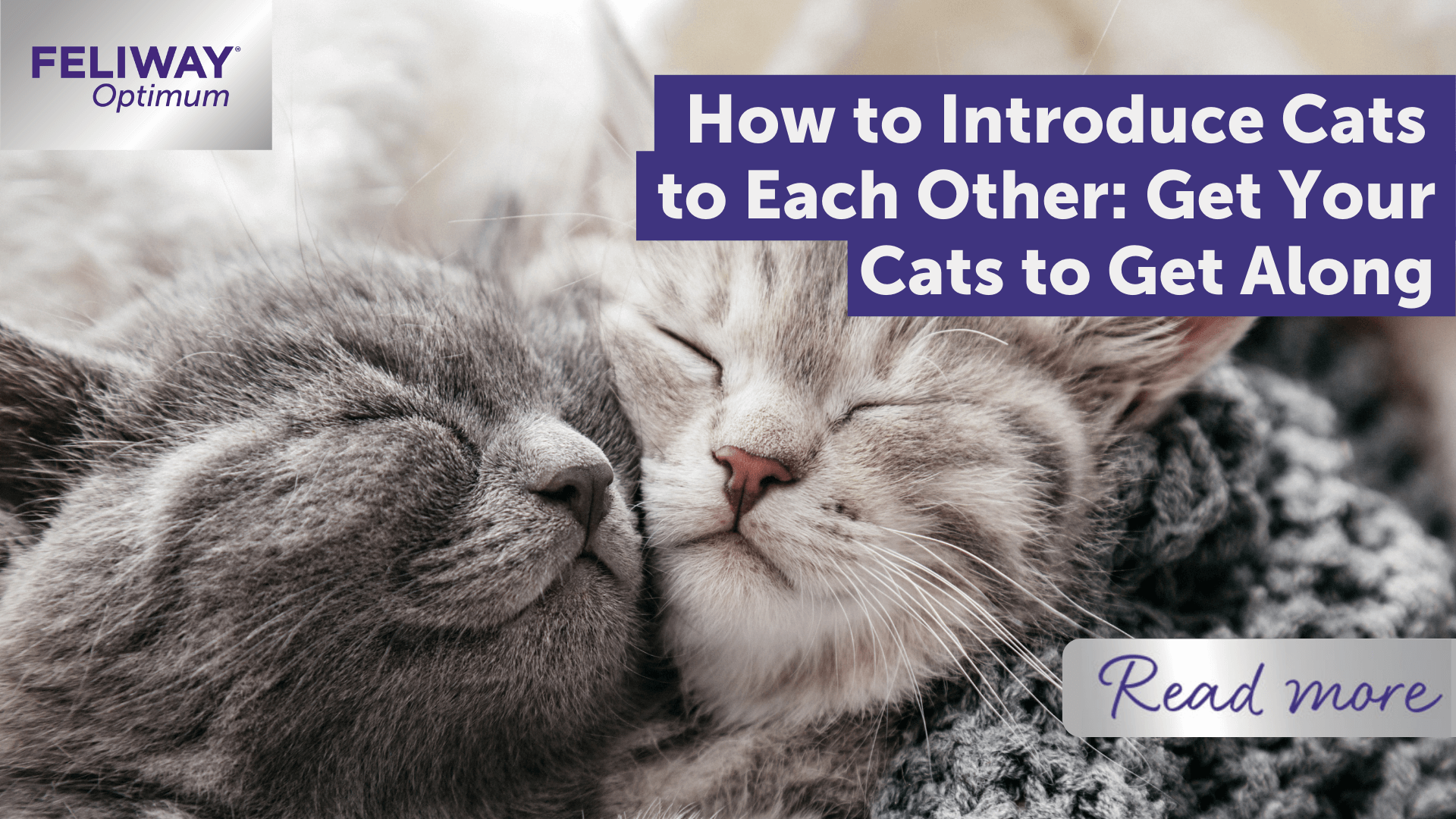
Credit: www.feliway.co.uk
Frequently Asked Questions
How Can I Introduce Cats To Each Other Safely?
Introduce cats gradually using scent swapping and separate spaces. Allow short, supervised meetings. Increase interaction time slowly to build trust and reduce stress.
What Are Signs My Cats Are Getting Along?
Cats grooming each other, playing, or sleeping nearby indicate harmony. Reduced hissing, growling, and fighting also show improved relations.
How Long Does It Take For Cats To Bond?
Bonding varies from days to months. Patience is key. Consistent positive interactions speed up the process.
Should I Feed Cats Together Or Separately?
Feed cats separately at first to prevent food aggression. Gradually move bowls closer as they get comfortable eating near each other.
Conclusion
Helping your cats get along takes time and patience. Give them space to feel safe. Watch their behavior and reward calm moments. Keep their food, toys, and beds separate. Slowly introduce them in short, quiet sessions. Trust grows with gentle care and routine.
Soon, they may share a peaceful home. Remember, every cat is different. Stay calm and keep trying. Your effort will help build a happy bond.