
How to Know If Your Cat Has Mites: Spot Signs Early & Act Fast

Is your cat scratching more than usual? Are you noticing patches of hair loss or unusual redness on their skin?
These signs might mean your furry friend has mites. Knowing if your cat has mites is important because these tiny pests can cause discomfort and health problems if left untreated. You’ll learn the simple ways to spot the signs of mites early.
By understanding what to look for, you can keep your cat happy, healthy, and itch-free. Keep reading to find out how to protect your beloved pet.
Credit: www.catster.com
Contents
Common Cat Mites Types
Cats can get different types of mites. These tiny pests cause itching and discomfort. Knowing the common cat mites helps spot the problem early. Acting fast can save your cat from pain and infection.
Here are the main types of mites that affect cats. Each type causes specific symptoms. Understanding these signs helps you care for your pet better.
Ear Mites
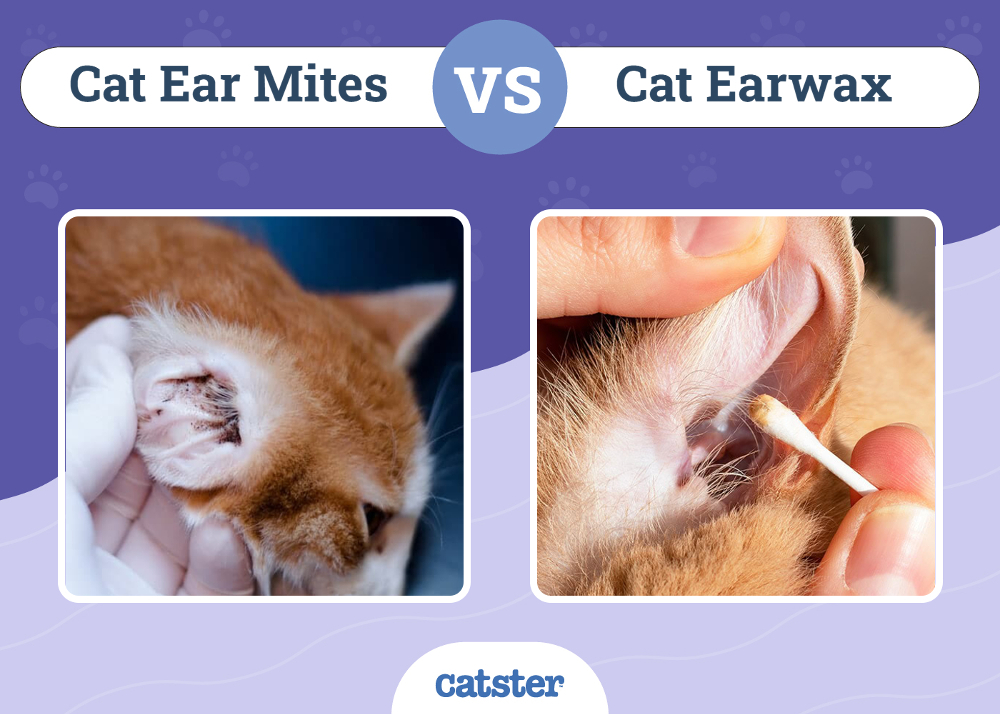
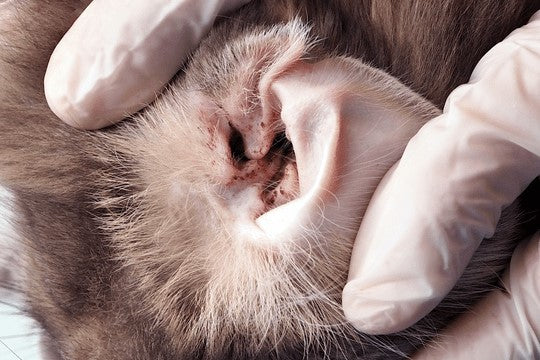
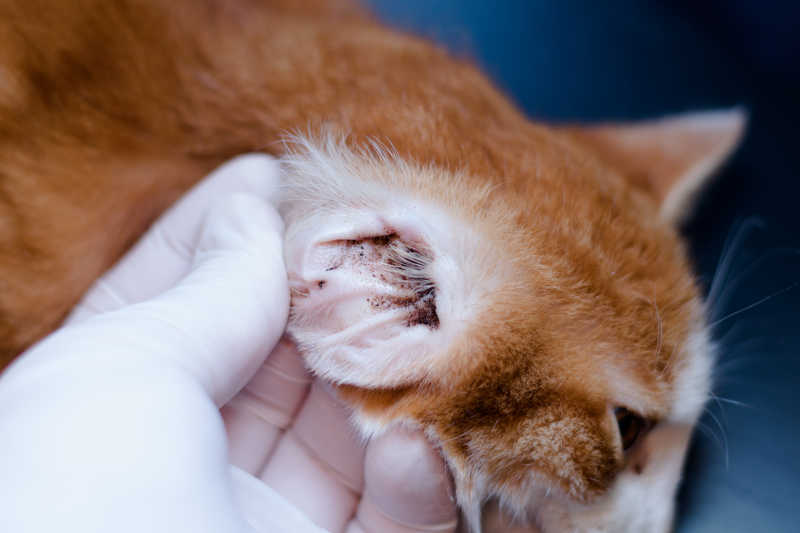
Ear mites are tiny bugs living in the cat’s ear canal. They cause intense itching and dark, crumbly ear discharge. Cats often shake their heads or scratch their ears. Ear mites spread easily between cats, especially in crowded places.
Cheyletiella Mites
Cheyletiella mites are called “walking dandruff” because they make flakes move on the skin. These mites live on the surface of the skin. They cause mild to severe itching and flaky skin. You may see your cat scratching or biting itself a lot.
Sarcoptic Mites
Sarcoptic mites burrow deep into the skin. They cause intense itching and red, inflamed patches. These mites spread quickly and cause hair loss. Sarcoptic mange is very contagious and needs quick treatment.
Early Signs Of Mite Infestation
Mites are tiny pests that cause discomfort and health issues for cats. Detecting them early helps prevent serious problems. Watch your cat closely for signs of mite infestation. These signs often appear before the condition worsens.
Excessive Scratching And Grooming
Cats with mites scratch their skin more than usual. They may also groom themselves repeatedly. This behavior tries to relieve itching and irritation. Constant scratching can cause open wounds and infections.
Visible Skin Irritation
Mite-infested cats often show red, inflamed skin. The skin might look dry or scaly. You may notice small bumps or sores. These areas are sensitive to touch and may bleed.
Unusual Ear Discharge
Mites frequently live in a cat’s ears. Look for dark or yellow discharge inside the ear. The ears may smell bad or feel warm. Cats might shake their heads or tilt them often.
Hair Loss Patterns
Hair loss is common in cats with mites. It usually starts in patches around the head, neck, or ears. The fur looks thin or missing in spots. Bald patches can grow larger if mites are not treated.
Behavioral Changes To Watch For
Behavioral changes can signal that your cat has mites. Cats hide pain well. Watch closely for unusual actions. These signs often appear before visible symptoms. Early detection helps your cat get treatment faster. Here are key behaviors to notice.
Restlessness And Discomfort
Your cat may seem restless. It might pace or move constantly. Scratching or biting skin is common. These actions show discomfort from mites. Your cat might also shake its head often. Watch for sudden, frequent movements that seem odd.
Changes In Appetite
Mites can cause stress and pain. This often lowers a cat’s appetite. Your cat may eat less or skip meals. Weight loss can follow if untreated. Notice if your cat ignores food or drinks less water. Appetite loss is a sign to check for mites.
Avoidance Of Touch
A cat with mites may avoid being touched. It might pull away or hiss softly. Sensitive spots may include the head, ears, or neck. Your cat may hide or stay alone more. This behavior shows your cat is uncomfortable with contact.
How Vets Diagnose Mites
Knowing how vets diagnose mites in cats helps you understand the process better. Vets use clear steps to find out if mites cause your cat’s symptoms. They use simple tests and exams to get accurate results. These checks help them decide the right treatment fast.
Physical Examination
The vet starts with a close look at your cat’s skin and fur. They check for redness, hair loss, and tiny bumps. Scratching or scabs show signs of mites. The vet also looks for areas your cat scratches more often. This exam helps find spots to test further.
Skin Scraping Tests
The vet gently scrapes the skin to collect samples. This scraping collects skin cells and any mites living there. It is quick and does not hurt your cat. The vet usually scrapes several spots to increase chances of finding mites. The sample goes to the next test for a closer look.
Microscopic Analysis
In this step, the vet examines the skin scraping under a microscope. Tiny mites or their eggs become visible here. This test confirms if mites cause your cat’s problem. It also helps identify the type of mites present. Knowing the type guides the vet in choosing the best treatment.
Effective Treatment Options
Effective treatment options for cat mites help stop itching and infection fast. Quick action protects your cat’s skin and fur. Several treatments work well depending on the mite type and severity. Choose the best one with your vet’s advice.
Proper treatment clears mites and prevents spreading to other pets. Understanding each option helps keep your cat healthy and comfortable.
Medicated Ear Drops
Medicated ear drops target mites inside your cat’s ears. They reduce itching and kill mites quickly. Use drops exactly as the vet instructs. Clean your cat’s ears gently before applying. Consistent use is key for full recovery. Drops usually need daily use for one to two weeks.
Topical Treatments
Topical treatments go directly on the cat’s skin. They kill mites on contact and prevent new mites. Apply the treatment between the shoulder blades or as directed. These treatments are easy to use and safe for most cats. Repeat applications may be needed to stop mites fully.
Oral Medications
Oral medications work inside your cat’s body to kill mites. They are useful for severe or widespread infestations. Your vet will prescribe the right medicine and dosage. Give all doses on time to avoid resistance. Oral meds often clear mites faster than other treatments.
Home Care Tips
Keep your cat’s bedding clean and wash it regularly. Vacuum your home to remove mites from carpets and furniture. Avoid close contact with other pets until treatment finishes. Groom your cat gently to check for mites or skin issues. Healthy diet and hydration support healing during treatment.
Credit: petarmor.com
Preventing Mite Infestations
Preventing mite infestations is key to keeping your cat healthy and happy. Mites cause itching and discomfort. Stopping them early protects your cat’s skin and fur. Simple daily habits can help avoid mite problems. Here are some important steps to prevent mite infestations.
Regular Cleaning And Grooming
Clean your cat’s bedding and toys often. Use warm water and mild detergent. Groom your cat with a soft brush daily. This removes dirt and loose fur. Grooming also helps spot mites early. A clean cat has less chance of mites.
Avoiding Contact With Infected Animals
Keep your cat away from animals with mites. Mites spread through direct contact. Watch out for stray animals or those showing signs of itching. Avoid places where infected animals hang out. This lowers the risk of your cat catching mites.
Routine Vet Checkups
Take your cat to the vet regularly. Vets check for mites during exams. Early detection helps prevent serious infections. Follow the vet’s advice for treatments or vaccines. Routine visits keep your cat safe from mites.
Credit: www.smalldoorvet.com
Frequently Asked Questions
How Can I Tell If My Cat Has Ear Mites?
Ear mites cause intense itching and dark discharge in your cat’s ears. You may see your cat shaking its head or scratching ears frequently. A vet can confirm mites with an ear swab under a microscope.
What Are Common Symptoms Of Cat Mites?
Symptoms include excessive scratching, hair loss, scabs, redness, and flaky skin. Cats may also show restlessness or irritability. These signs suggest your cat might have mites and need a veterinary checkup.
Are Cat Mites Contagious To Humans Or Pets?
Yes, mites can spread to other pets through close contact. Some types, like scabies mites, can temporarily affect humans but usually don’t survive long. Always treat infected pets promptly to prevent spread.
How Do Vets Diagnose Mites In Cats?
Veterinarians diagnose mites by examining skin scrapings or ear swabs under a microscope. This allows them to identify the specific mite type. Proper diagnosis ensures effective treatment tailored to your cat’s needs.
Conclusion
Cats with mites often show clear signs like itching and hair loss. Early checks help catch mites before they cause harm. Treating mites quickly keeps your cat healthy and happy. Watch your cat’s skin and fur closely every day. Visit a vet if you notice unusual scratching or redness.
Small steps protect your pet from discomfort and infection. Caring for your cat means knowing the signs of mites. Stay alert and act fast to keep mites away.