How to Move a Cat’s Litter Box: Easy Tips for a Smooth Transition

Are you thinking about moving your cat’s litter box but worried about how your furry friend will react? Changing your cat’s litter box location can be tricky, but with the right approach, you can make the transition smooth and stress-free for both you and your pet.
You’ll discover simple, effective steps to help your cat adjust quickly and keep their routine comfortable. Keep reading to learn how to move your cat’s litter box without causing confusion or accidents.
Contents
Choosing The Right New Spot
Choosing the right new spot for your cat’s litter box is important. Cats are creatures of habit. They need a place that feels safe and comfortable. A good location helps your cat adjust quickly. It also keeps your home fresh and clean. Consider your cat’s needs and your space carefully.
Quiet And Private Areas
Cats prefer quiet places to do their business. A calm spot helps them feel safe. Avoid noisy areas like near washing machines or loud TVs. Choose a corner or a small room where your cat can have privacy. This reduces stress and encourages proper litter box use.
Avoiding High Traffic Zones
Busy areas can scare your cat. People walking by can disturb them. Avoid placing the litter box near doors or hallways with lots of foot traffic. Too much noise or movement can make your cat avoid the box. Find a peaceful spot away from constant activity.
Accessibility For Your Cat
Make sure your cat can easily reach the litter box. It should be on the same floor where your cat spends most time. Avoid places with obstacles or stairs if your cat is older or has health issues. Easy access encourages regular use and keeps your cat happy.
Credit: www.freshstep.com
Preparing The New Location
Preparing the new location for your cat’s litter box helps your cat adjust easily. Choose a quiet, low-traffic spot. The place should be easy to reach but private. Avoid noisy or busy areas that might scare your cat. Make the spot comfortable and familiar to encourage use.
Cleaning And Setting Up The Box
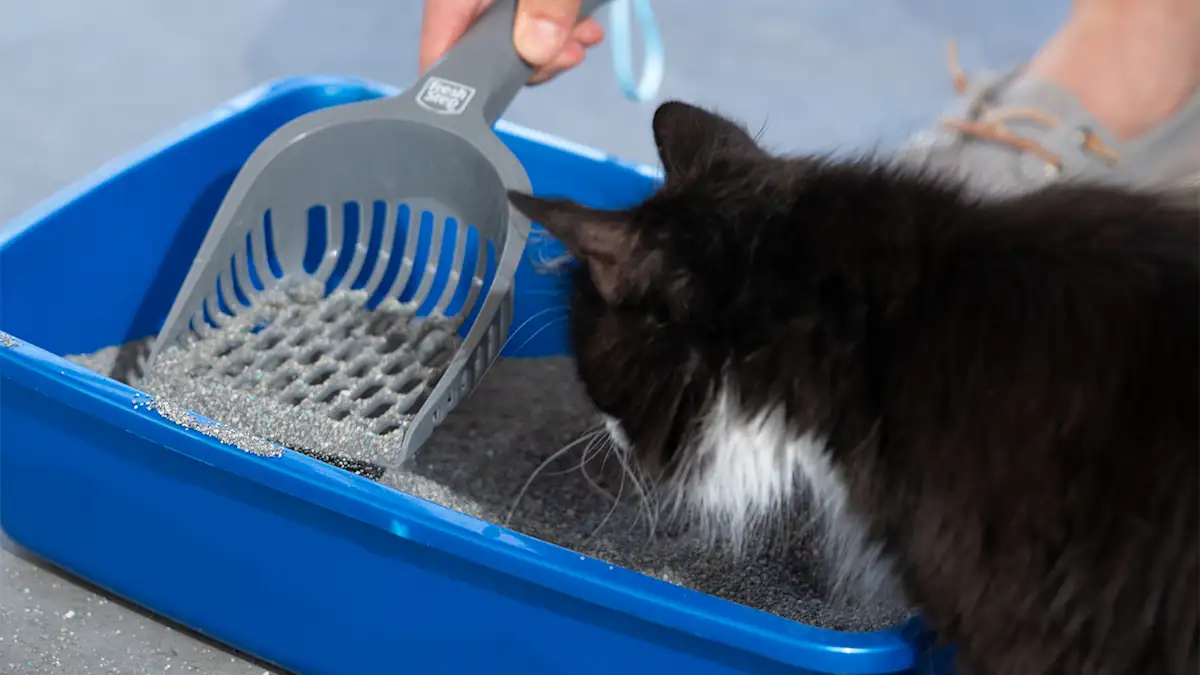
Clean the litter box well before moving it. Use mild soap and warm water. Avoid strong-smelling cleaners that can scare your cat. Dry the box completely. Add fresh litter but keep some old litter inside. This mix helps your cat recognize the box.
Maintaining Familiar Scents
Cats rely on smell to find their litter box. Keep some of the old litter in the new box. This scent helps your cat feel safe. Avoid washing the box too often during the move. Familiar smells reduce stress and confusion.
Using Multiple Litter Boxes Temporarily
Place the old litter box near the new one at first. This helps your cat find the new spot. After a few days, remove the old box. Multiple boxes give your cat options and reduce accidents. This step makes the move smoother for your pet.
Gradual Moving Techniques
Moving a cat’s litter box can be tricky. Cats dislike sudden changes in their routine. Gradual moving techniques help your cat adjust without stress. These methods make the transition smooth and keep your cat happy.
Moving The Box Incrementally
Shift the litter box a few inches each day. Small steps are less scary for your cat. Avoid moving it too far at once. This slow approach helps your cat find the box easily.
Monitoring Your Cat’s Behavior
Watch your cat closely during the move. Look for signs of stress or confusion. If your cat avoids the box, pause the move. Give your cat time to get used to the new spot.
Encouraging Use With Treats And Praise
Give your cat treats near the litter box. Use gentle praise when your cat uses the box. Positive reinforcement builds good habits. Your cat will feel safe and confident with the new location.

Credit: shallowfordvet.com
Dealing With Setbacks
Moving a cat’s litter box can sometimes cause problems. Your cat may get confused or upset. This can lead to accidents or other issues. It is normal to face setbacks during this change. Patience and care will help your cat adjust smoothly. Here are some tips to handle common problems.
Handling Accidents Calmly
Accidents may happen after moving the litter box. Do not punish your cat. Clean the area well with an odor remover. This stops your cat from returning there. Stay calm and gentle. Your cat needs time to learn the new spot.
Reinforcing Good Habits
Encourage your cat to use the new litter box place. Praise your cat after it uses the box correctly. You can offer small treats as rewards. Keep the box clean and fresh. A clean box invites your cat to use it.
When To Consult A Veterinarian
Watch your cat for unusual behavior. If accidents continue or your cat seems sick, seek help. A vet can check for health issues. Sometimes, medical problems cause litter box problems. Early help keeps your cat healthy and happy.
Maintaining Cleanliness
Maintaining cleanliness is very important when moving a cat’s litter box. Cats are sensitive to changes and need a clean space to feel safe. A clean litter box helps prevent bad smells and keeps your home fresh. It also encourages your cat to use the box without problems.
Regular Cleaning Schedule
Set a daily routine to scoop waste from the litter box. Remove clumps and solid waste every day. Change the litter fully at least once a week. Wash the box with mild soap and water. Avoid strong-smelling cleaners that can scare your cat. A clean box keeps your cat healthy and happy.
Using The Same Litter Type
Keep using the same litter type after moving the box. Cats prefer familiar smells and textures. Changing litter can confuse your cat and cause accidents. If you must change, do it slowly by mixing old and new litter. This helps your cat adjust without stress.
Keeping The Area Odor-free
Place the litter box in a well-ventilated area. Use baking soda under the litter to reduce smells. Clean spills around the box immediately. Replace the litter regularly to avoid strong odors. A fresh-smelling area makes your cat comfortable and your home pleasant.
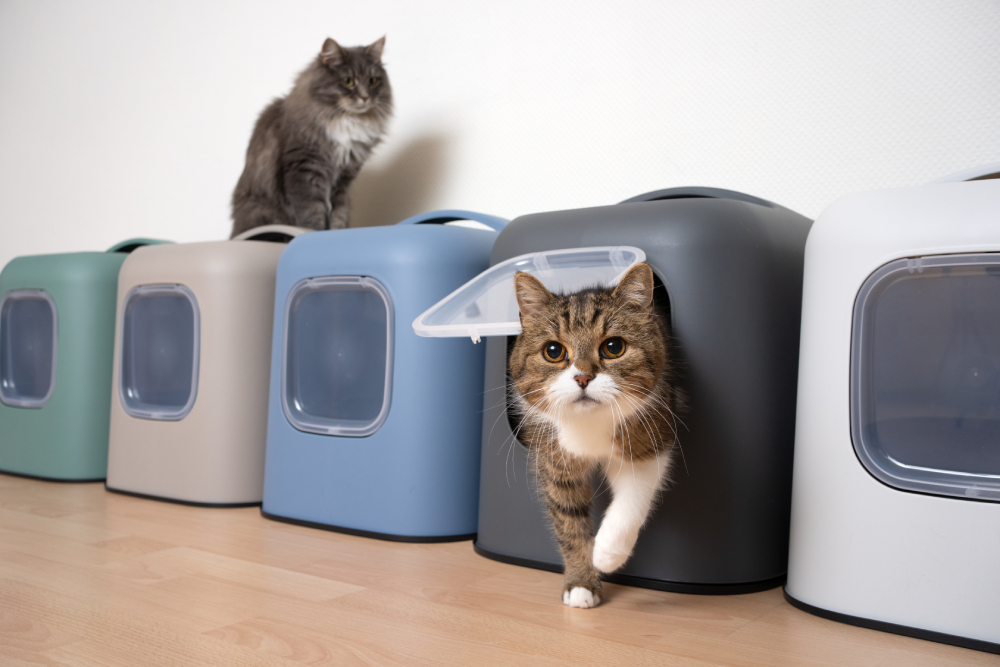
Credit: www.catster.com
Frequently Asked Questions
How To Prepare A Cat For Litter Box Relocation?
Introduce the new location gradually. Move the box a few inches daily. Keep the old and new boxes accessible to avoid stress.
How Long Does It Take For Cats To Adjust?
Cats usually adapt within 1 to 2 weeks. Patience and consistency are key during this transition period.
Can I Move The Litter Box Abruptly?
Avoid sudden moves to prevent accidents. Gradual relocation helps your cat feel secure and comfortable.
What If My Cat Refuses To Use The New Spot?
Try adding familiar scents or litter from the old box. Keep the area clean and quiet to encourage use.
Conclusion
Moving a cat’s litter box takes patience and care. Place it in a quiet, easy-to-reach spot. Keep the box clean and familiar for your cat. Watch your cat’s behavior to see if it adjusts well. Change the location slowly to avoid stress.
Remember, a calm cat uses the box happily. This simple move can make your home more comfortable. Take your time and your cat will thank you.