How to Retrain Cat to Use Litter Box: Easy Steps That Work

Is your cat suddenly refusing to use the litter box? It can be frustrating and confusing, but don’t worry—you’re not alone.
Many cat owners face this challenge at some point. The good news is, you can teach your cat to use the litter box again with the right steps. You’ll discover simple and effective ways to retrain your cat, making your home cleaner and your bond stronger.
Keep reading to find out how to solve this problem quickly and with less stress for both you and your furry friend.
Contents
Reasons Cats Stop Using Litter Box
Cats usually use the litter box without problems. Sometimes, they stop using it. This can confuse and frustrate cat owners. Understanding why cats stop using the litter box helps fix the problem fast.
Several reasons can cause this behavior. Some are health-related. Others are about the cat’s environment or feelings. Knowing these reasons helps you retrain your cat gently and effectively.
Medical Issues
Health problems often cause litter box avoidance. Urinary tract infections are common culprits. They make urination painful, so cats avoid the box. Kidney disease or bladder stones can cause similar issues. Pain or discomfort may also stop cats from using the box. A visit to the vet is necessary to rule out medical causes.
Litter Box Cleanliness
Cats are clean animals. Dirty litter boxes repel them. They dislike strong smells and clumps of waste. If the box is not scooped daily, cats may find other places to go. Using unscented litter helps. Regular cleaning encourages cats to use their box consistently.
Stress And Anxiety
Stress can change a cat’s bathroom habits. Loud noises, new pets, or visitors can upset them. Anxiety may lead to litter box avoidance. Cats feel safer outside the box during stressful times. Creating a calm space helps reduce stress and improves litter box use.
Changes In Environment
Moving to a new home or changing the litter box location confuses cats. They rely on routine and familiar places. New furniture or different litter types can also cause problems. Gradual changes help cats adjust. Keeping the box in a quiet, accessible spot supports good habits.
Credit: medicina-clinic.ru
Choosing The Right Litter Box
Choosing the right litter box plays a key role in retraining your cat to use it. Cats have different needs and preferences. Picking a box that fits these needs helps make the training smooth and stress-free. This section covers important factors to consider before buying or switching a litter box.
Size And Accessibility
Pick a litter box big enough for your cat to move freely. Small boxes can make cats uncomfortable and reluctant to use them. Accessibility matters too. Older cats or kittens need a box with low sides for easy entry and exit. Avoid boxes with high walls for cats with mobility issues.
Covered Vs. Uncovered
Decide between covered and uncovered litter boxes. Covered boxes offer privacy and reduce odors. Some cats prefer open boxes because they feel less trapped. Watch your cat’s behavior to choose the best option. Comfort is key to encourage regular use.
Number Of Boxes Needed
Provide enough litter boxes based on your home and cat count. The general rule is one box per cat, plus one extra. More boxes reduce accidents and competition. Place boxes in quiet, easy-to-reach spots. This helps your cat feel safe and confident.
Selecting The Best Litter
Selecting the best litter is key to retraining your cat to use the litter box. Cats are picky about their bathroom habits. The right litter helps your cat feel comfortable and safe. This makes learning faster and easier. You need to know the different types of litter and what your cat prefers. Small changes can make a big difference in success.
Types Of Litter
There are many types of cat litter available. Clumping clay litter is popular because it forms solid clumps when wet. This makes cleaning easier. Non-clumping clay litter absorbs moisture but does not form clumps. Crystal litter uses silica beads that absorb liquid and control odor. Natural litters use materials like corn, wheat, or wood. These are biodegradable and eco-friendly. Each type offers different benefits and textures for your cat.
Scented Vs. Unscented
Scented litters mask odors with added fragrances. Some cats dislike strong smells and avoid the box. Unscented litters have no added perfume. They often smell more natural. Unscented litters are usually better for sensitive cats. They reduce irritation to the nose and paws. Test both types to see which your cat prefers. Scent can impact your cat’s willingness to use the litter box.
Texture Preferences
Cats have strong texture preferences for litter. Some like fine, soft grains that feel gentle on their paws. Others prefer coarser or larger granules. If your cat avoids the box, check the litter texture. Try different textures to find the one your cat likes best. Comfortable texture helps your cat feel safe and happy. This increases the chance of successful litter box training.
Credit: mycsolutions.com.co
Setting Up The Litter Area
Setting up the litter area is key to retraining your cat. A well-prepared space makes your cat feel safe and comfortable. This helps your cat learn to use the litter box again. The right location and environment reduce accidents and stress for your pet.
Ideal Location
Choose a quiet spot for the litter box. It should be easy for your cat to reach at any time. Avoid places near your cat’s food or water bowls. Cats prefer separate areas for eating and toileting. A calm place encourages your cat to use the box.
Privacy Considerations
Cats like privacy when using the litter box. Place the box where your cat feels hidden but not trapped. Avoid open spaces with a lot of noise or movement. A covered litter box or a corner spot works well. Privacy helps your cat feel safe and relaxed.
Avoiding High Traffic Zones
Keep the litter box away from busy areas in your home. Loud noises and many people can scare your cat. This may cause your cat to avoid the box. Choose a quiet corner or a spare room. A calm area supports your cat’s comfort and success.
Step-by-step Retraining Process
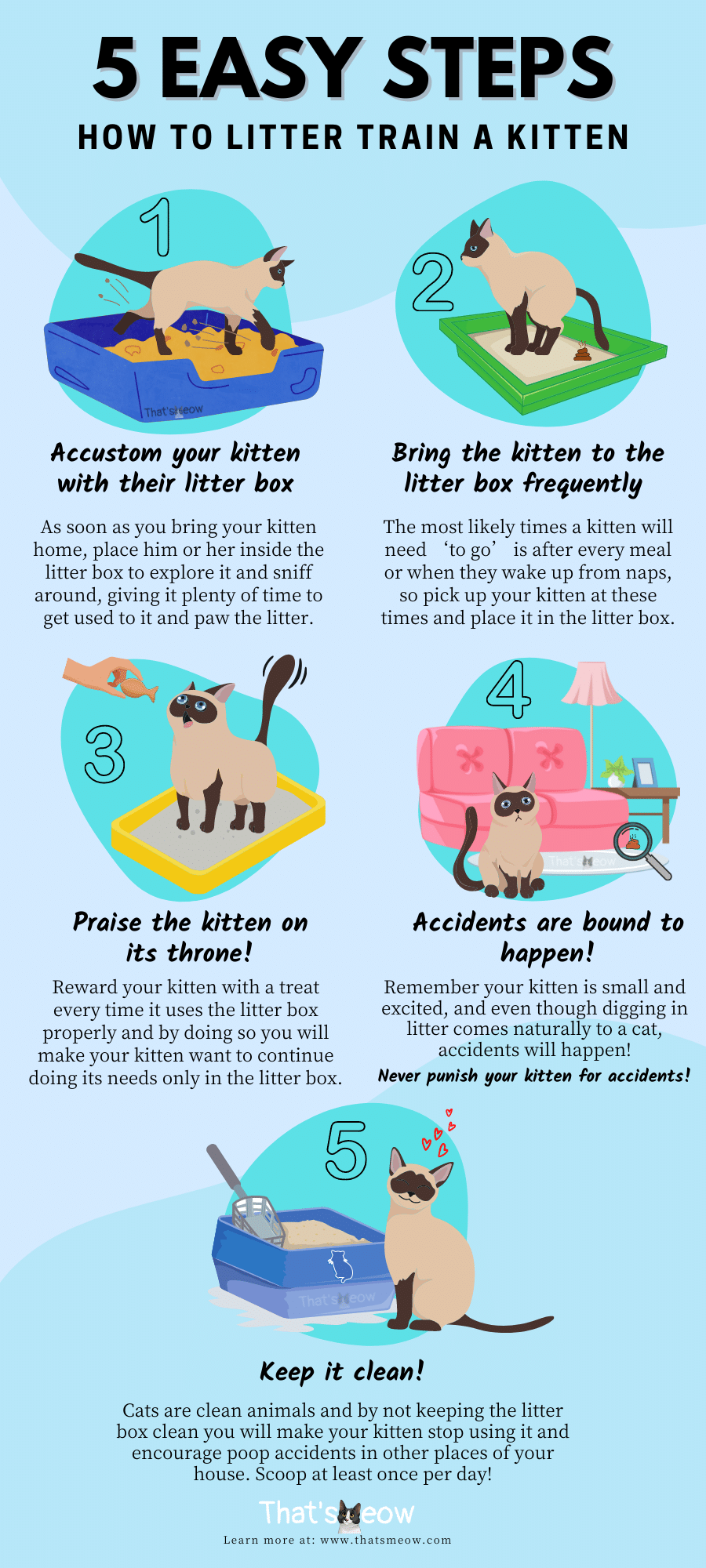
Retraining a cat to use the litter box takes patience and a clear plan. The process involves cleaning, confining, rewarding, and slowly giving more freedom. Each step helps your cat relearn good habits. Follow these steps carefully for the best results.
Cleaning Soiled Areas
Start by cleaning all spots where your cat went outside the litter box. Use an enzyme cleaner to remove smells. Cats return to places that smell like urine. Make sure no trace remains. This helps stop repeat accidents.
Confined Space Method
Keep your cat in a small room with a litter box. This space should be quiet and safe. Limit access to other parts of the house. Close doors and block off areas. The small space helps your cat focus on using the litter box.
Positive Reinforcement
Reward your cat for using the litter box. Use treats, gentle praise, or petting. Give rewards immediately after your cat finishes in the box. This makes the cat link good behavior with positive outcomes. Avoid punishment to keep trust strong.
Gradual Freedom Increase
Slowly let your cat explore more areas of the house. Start with supervised visits outside the confined space. Watch for signs of accidents and guide back to the litter box. Increase freedom only if your cat uses the box consistently.
Dealing With Common Challenges
Retraining a cat to use the litter box can bring some challenges. These problems are common but fixable. Patience and understanding are key to success. This section covers common issues and how to handle them.
Accidents Outside The Box
Accidents happen. Clean the area well to remove smells. Cats often return to spots that smell like urine. Place a litter box near the accident spot. Watch your cat’s behavior closely. Sometimes, a dirty box causes accidents. Keep the box clean daily. Try different litter types if needed.
Multiple Cats Issues
Multiple cats may cause litter box problems. Each cat needs its own box. A good rule is one box per cat plus one extra. Place boxes in quiet, separate spots. Some cats guard boxes or block others. Watch for signs of stress or fights. Keep boxes clean to avoid competition.
Persistent Refusal
Some cats refuse the litter box for a long time. Rule out health problems first. Visit a vet to check for infections or pain. Change the litter box type or location. Use a box with low sides for older cats. Reward your cat with treats for using the box. Stay calm and patient during training.
Maintaining Good Litter Habits
Maintaining good litter habits is key to keeping your cat happy and your home clean. Consistency helps your cat understand where to go. It also prevents accidents and unwanted smells. Small actions can make a big difference in your cat’s litter box use.
Regular Cleaning Routine
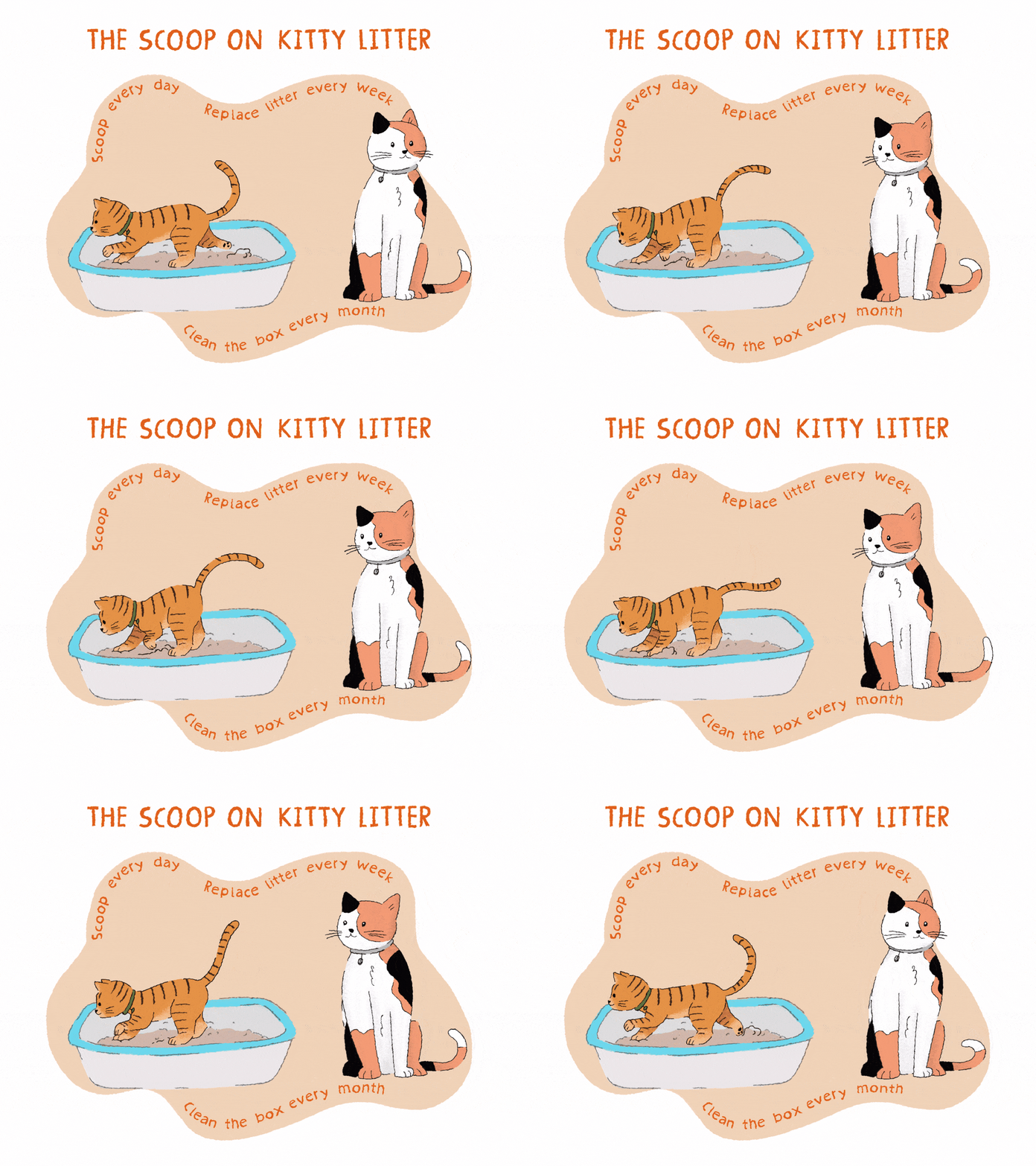
Clean the litter box daily to keep it fresh. Scoop out waste and clumps every day. Wash the box with mild soap weekly. Avoid strong smells that can scare your cat. A clean box invites your cat to use it regularly.
Monitoring Health Changes
Watch for changes in your cat’s bathroom habits. Frequent urination or accidents may signal health problems. Consult a vet if you notice blood or pain. Early detection helps treat issues fast. Healthy cats usually stick to their litter box routine.
Using Attractants
Use litter attractants to encourage use of the box. These products have scents that cats like. Sprinkle attractants on clean litter to guide your cat. Avoid scented litters that may deter them. Attractants help cats relearn good habits smoothly.
:strip_icc()/cat-pooping-outside-box-Final-554017-6d77dbd602474769ad6cebd1b578752a.jpg)
Credit: sinfoniagulfcoast.org
Frequently Asked Questions
How Long Does It Take To Retrain A Cat To Use Litter Box?
Retraining a cat usually takes 1 to 2 weeks with consistent effort. Patience and positive reinforcement speed up the process. Avoid punishment, as it can create fear and confusion.
What Are Common Reasons Cats Avoid The Litter Box?
Cats avoid litter boxes due to cleanliness issues, stress, or medical problems. Dirty litter, loud noises, or changes in environment can also cause avoidance. Identifying the cause helps in effective retraining.
How Can I Make The Litter Box More Appealing?
Keep the litter box clean by scooping daily and changing litter weekly. Use unscented, clumping litter and place the box in a quiet, accessible area. Adding a second box can also help.
Can Diet Affect A Cat’s Litter Box Habits?
Yes, diet impacts digestion and urine odor, affecting litter box use. Feeding high-quality, balanced food promotes healthy digestion. Avoid sudden diet changes to prevent litter box issues.
Conclusion
Retraining your cat to use the litter box takes time and patience. Keep the box clean and in a quiet place. Reward your cat with gentle praise when it uses the box. Watch for signs if your cat avoids the box and adjust accordingly.
Small steps lead to success. Stay calm and consistent. Soon, your cat will get back to good habits. Trust the process and enjoy a happier home together.