How to Stop Cat from Peeing Outside Litter Box: Proven Tips

Is your cat peeing outside the litter box and leaving you frustrated? You’re not alone, and the good news is that this behavior can be changed.
Understanding why your cat is doing this and learning simple, effective steps can help you stop the problem quickly. Imagine a clean home and a happy cat, without the stress and mess. Keep reading to discover how you can take control and fix this common issue for good.
Contents
Reasons Cats Pee Outside Litter Box
Cats usually use their litter boxes without problems. When they start peeing outside, it signals an issue. Understanding why cats avoid the litter box helps fix the problem quickly. Several reasons can cause this behavior. Knowing these reasons is the first step to stop it.
Medical Issues
Health problems often cause cats to pee outside the box. Urinary tract infections are common culprits. These infections make urination painful and urgent. Kidney disease and bladder stones also cause discomfort. Cats may associate pain with the litter box. This leads them to avoid it.
Stress And Anxiety
Cats feel stress from changes in their environment. Moving to a new home or new pets can trigger anxiety. Loud noises and unfamiliar people also stress cats. Stress changes their bathroom habits. They may pee outside to show distress or seek comfort.
Litter Box Problems
Cats dislike dirty or smelly litter boxes. If the box is not cleaned often, they avoid it. The type of litter matters too. Some cats prefer fine-grained litter over coarse types. The box location plays a role as well. A noisy or busy spot can discourage use.
Territorial Marking
Cats mark their territory by peeing around the house. This is common in multi-cat homes. Unneutered male cats mark more often. Marking sends signals to other cats. It is a natural behavior but unwanted indoors.
Credit: countryvalleyvet.com
Choosing The Right Litter Box
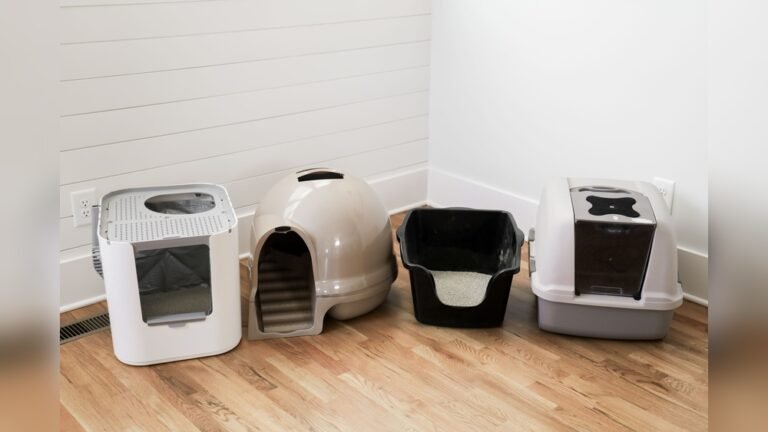
Choosing the right litter box plays a big role in stopping your cat from peeing outside. Cats need comfort and privacy while they use the litter box. A proper box can make your cat feel safe and encourage good habits.
Box Size And Type
Select a litter box that fits your cat’s size. A small box can feel cramped and uncomfortable. Bigger cats need larger boxes to move easily. Open boxes offer space and air but some cats prefer covered ones for privacy. Try different types to see what your cat likes best.
Number Of Boxes
Having enough boxes matters. A good rule is one box per cat plus one extra. This helps reduce stress and competition. More boxes mean your cat always finds a clean place to go. Keep boxes clean to encourage regular use.
Location Matters
Place litter boxes in quiet, low-traffic spots. Cats avoid noisy or busy areas. Avoid putting boxes near food or water bowls. Easy access is key. Your cat should feel safe and calm while using the box.
Selecting The Best Litter
Choosing the right litter helps keep your cat using the box. Cats can be picky about litter texture and smell. The wrong litter may cause your cat to pee outside the box. Understanding litter types helps you pick one your cat likes. It also helps maintain a clean and fresh litter box area.
Litter Texture And Scent
Cats prefer soft, fine litter that feels good on their paws. Rough or hard textures can scare them away. Unscented litter is often best because strong smells can bother cats. Some cats avoid scented litter as it may seem unnatural. Try small amounts of different textures to see what your cat prefers.
Clumping Vs Non-clumping
Clumping litter forms solid clumps when wet, making cleaning easier. It helps keep the box dry and fresh. Non-clumping litter absorbs moisture but does not form clumps. It may need to be changed more often. Most cats prefer clumping litter because it smells better and stays cleaner.
Cleaning Frequency
Cleaning the litter box often stops bad smells and keeps cats happy. Scoop the litter daily to remove waste. Replace all litter and wash the box weekly. Dirty litter boxes cause cats to find other places to pee. A clean box encourages your cat to use it every time.
Cleaning And Maintenance Tips
Cleaning and maintenance play a big role in stopping your cat from peeing outside the litter box. A clean box invites your cat to use it. Dirty boxes may cause your cat to look for other spots. Regular care keeps odors away and makes your cat comfortable.
Regular Scooping
Scoop the litter box at least once a day. Remove clumps and solid waste quickly. This keeps the box fresh and free from bad smells. Cats prefer a clean place to do their business. Daily scooping helps prevent accidents outside the box.
Deep Cleaning Schedule
Clean the litter box fully once a week. Use warm water and mild soap to wash it. Avoid strong chemicals that can hurt your cat’s nose. Rinse well and dry before adding fresh litter. Deep cleaning removes stains and bacteria that build up over time.
Using Enzymatic Cleaners
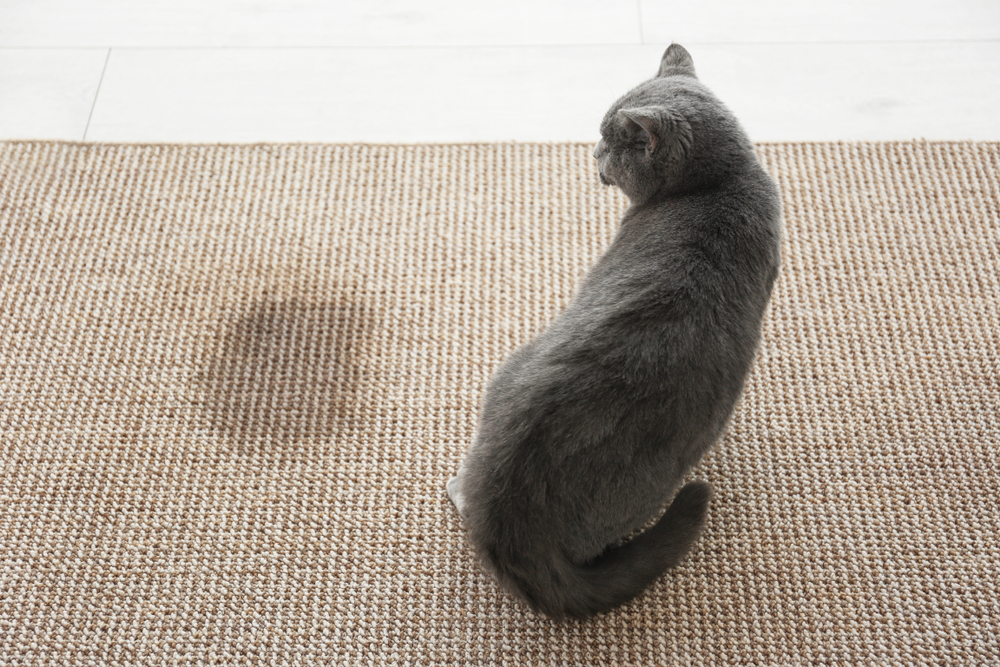
Use enzymatic cleaners to clean spots outside the box. These cleaners break down urine and stop smells. Regular cleaners may not remove odors fully. Apply enzymatic cleaner to all marked areas. This discourages your cat from peeing in the same spot again.
Behavioral Strategies
Behavioral strategies help change your cat’s habits gently. They create a positive experience around the litter box. Cats respond well to clear signals and safe places. These methods reduce accidents outside the box.
Positive Reinforcement
Reward your cat when it uses the litter box. Give treats or praise right after. This teaches your cat that the box is good. Consistent rewards build good habits fast. Avoid punishment; it can cause fear and stress.
Discouraging Unwanted Spots
Clean any accidents with an enzyme cleaner. This removes smells that attract the cat again. Use safe deterrents like double-sided tape or aluminum foil. Place these where your cat pees outside. Cats dislike these textures and avoid the area.
Providing Safe Spaces
Create quiet, cozy spots for your cat to relax. Cats feel safe in calm places. Place the litter box in a low-traffic area. Avoid loud noises or busy rooms near the box. A secure space encourages your cat to use the box.

Credit: www.studiodentisticoazzolinagozzi.it
When To Visit The Vet
Knowing when to visit the vet is important if your cat pees outside the litter box. This behavior can signal health problems. Acting fast helps your cat stay healthy and comfortable.
Identifying Symptoms
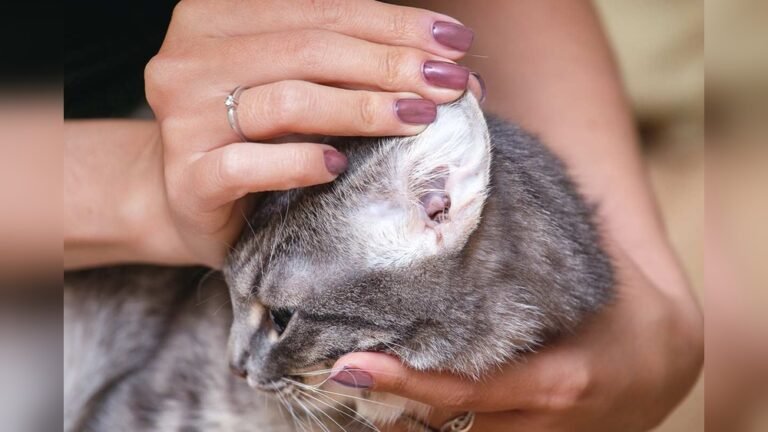
Watch for signs like frequent urination or blood in the urine. Strong smell or painful urination also means a vet visit. If your cat seems sick or hides more, these are red flags.
Common Medical Conditions
Urinary tract infections are common causes of litter box issues. Bladder stones and kidney problems can cause discomfort too. Sometimes, stress or diabetes affects urination habits.
Treatment Options
The vet may prescribe antibiotics for infections. Special diets help with bladder stones or kidney issues. Pain relief and fluids might also be needed to heal quickly.
Preventing Future Accidents
Stopping your cat from peeing outside the litter box is important for a clean home. Preventing future accidents helps keep your cat happy and healthy. It also keeps your living space fresh and stress-free. Focus on simple steps that make your cat feel secure and comfortable. Consistency is key to good behavior. Small changes can lead to big improvements.
Routine And Consistency
Cats thrive with a regular routine. Feed and clean their litter box at the same times daily. Change the litter often to keep it fresh. Place the box in a quiet, easy-to-reach spot. Avoid moving the box around too much. A steady routine makes your cat feel safe. This lowers the chance of accidents outside the box.
Environmental Enrichment
Cats need stimulation to stay happy. Provide toys and scratching posts around the house. Play with your cat for at least 15 minutes each day. Offer cozy resting places near sunny windows. A happy cat is less likely to mark outside the box. Enrichment keeps your cat’s mind and body active. This reduces boredom and unwanted behaviors.
Stress Reduction Techniques
Stress can cause cats to pee outside the litter box. Create a calm environment with soft lighting and quiet spaces. Use calming sprays or diffusers designed for cats. Avoid loud noises and sudden changes at home. Give your cat extra attention during stressful times. A relaxed cat uses the litter box more reliably. Reducing stress helps prevent accidents and improves overall well-being.
:strip_icc()/cat-pooping-outside-box-554017-b408bc2885e042a5a1937e7e0b183b5a.jpg)
Credit: www.esseg.eu
Frequently Asked Questions
Why Is My Cat Peeing Outside The Litter Box?
Cats may pee outside due to stress, medical issues, or dirty litter boxes. Behavioral problems or changes in environment also cause this. Identifying the exact reason helps address the problem effectively and keeps your cat healthy and happy.
How Can I Stop My Cat From Peeing Outside?
Ensure the litter box is clean, accessible, and in a quiet spot. Use odor neutralizers and provide multiple boxes if you have many cats. Consult a vet if the behavior persists to rule out medical problems.
What Litter Type Is Best To Prevent Accidents?
Unscented, clumping litter is often preferred by cats. It’s easy to clean and controls odors well. Experiment with different types to find what your cat likes best, encouraging consistent use of the litter box.
When Should I See A Vet About My Cat’s Behavior?
If your cat suddenly starts peeing outside and the litter box is clean, see a vet. Medical issues like urinary tract infections often cause this behavior. Early diagnosis helps prevent complications and discomfort.
Conclusion
Stopping your cat from peeing outside the litter box takes patience and care. Watch your cat’s behavior closely. Keep the litter box clean and in a quiet spot. Try different types of litter to see what your cat likes. Make sure your cat feels safe and loved.
Visit the vet if problems continue. Small steps make a big difference. You can help your cat feel happy and healthy again.