How to Stop Cat from Putting Toys in Water: Simple Effective Tips

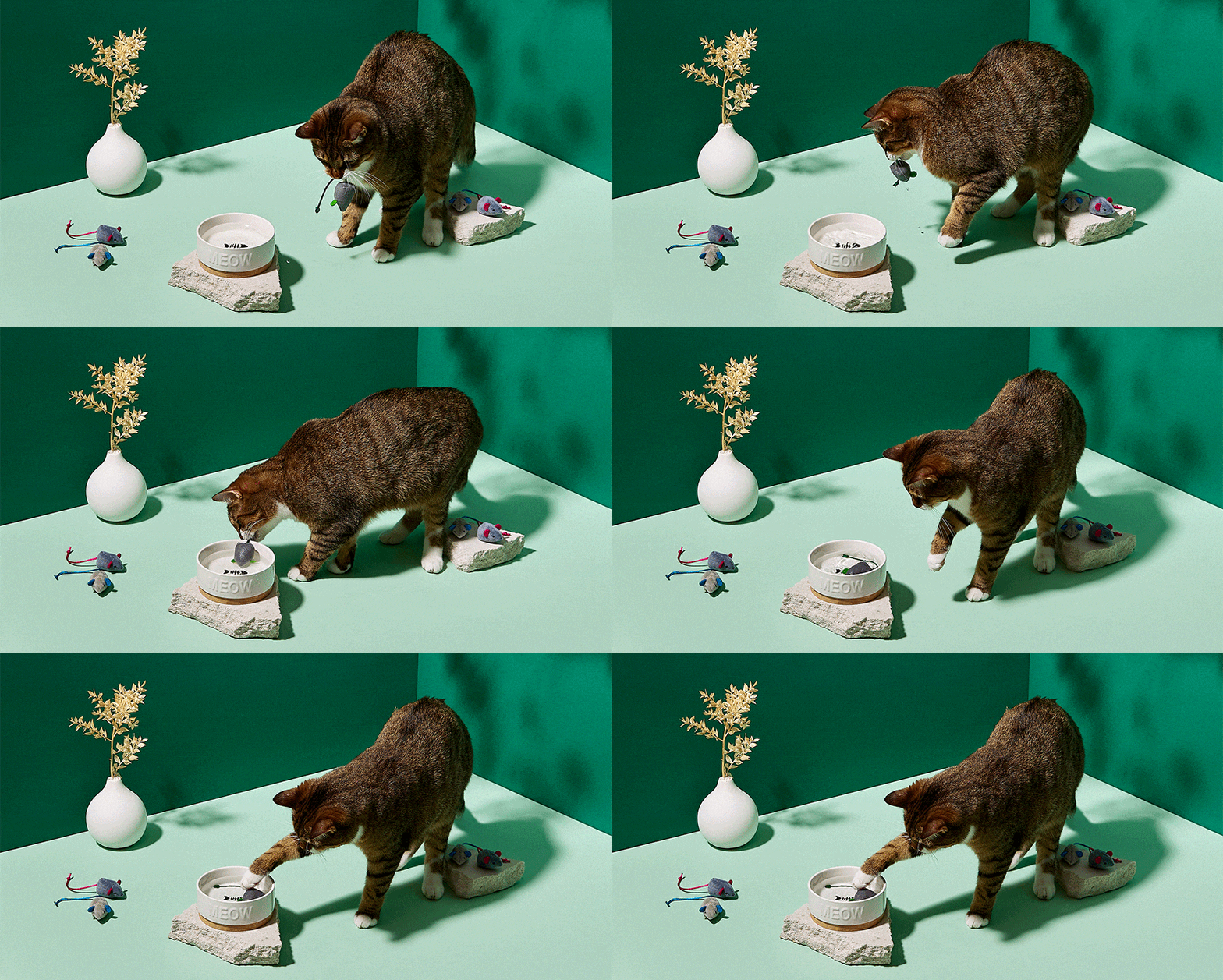
Have you ever found your cat dropping toys into their water bowl, making a mess and leaving you wondering why? It can be frustrating to clean up and even worrying if your cat’s behavior might harm their health.
But don’t worry—you’re not alone, and there are simple ways to stop this habit. You’ll discover easy, effective tips to help your cat keep their toys dry and your home tidy. Keep reading to find out how you can solve this common problem quickly and calmly.
Contents
Why Cats Dunk Toys In Water
Cats often dunk toys in water, puzzling their owners. This behavior has reasons rooted deep in their nature. Understanding why cats do this helps manage the habit effectively. Let’s explore the main causes behind this curious action.
Instinctive Behavior
Cats have strong hunting instincts. In the wild, they catch prey near water. Dunking toys mimics catching and testing their “prey.” This action connects to their natural survival skills. It feels rewarding and keeps their instincts sharp.
Play And Curiosity
Cats love to play and explore. Water adds a new challenge and fun element. Toys in water move differently, sparking interest. Dunking toys satisfies their curious and playful minds. It is a simple way to stay entertained.
Seeking Attention
Cats learn actions that get your attention. Dunking toys in water makes you watch or react. They enjoy the focus and interaction it brings. This act becomes a way to connect with you. Attention keeps them happy and engaged.
Credit: www.chewy.com
Common Water-dunking Spots
Cats often enjoy playing with water. They like to dunk toys in water for fun or curiosity. Knowing where they do this helps stop the behavior. Common water-dunking spots include water bowls, bathtubs, sinks, and decorative fountains. Each place has its own challenges and solutions.
Water Bowls
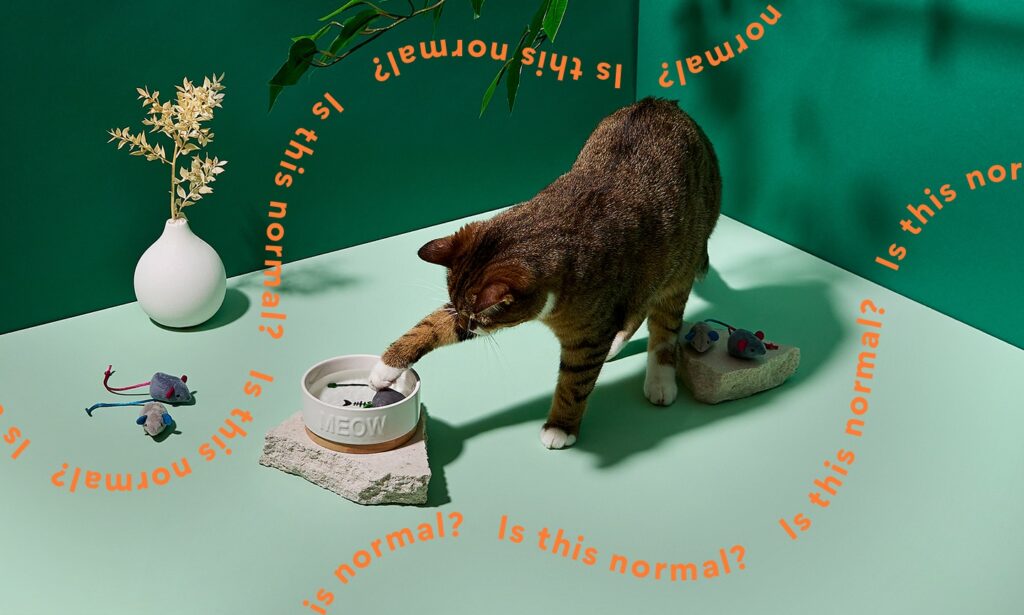
Cats often drop toys in their water bowls. They may like the splash or the movement of the toy. This can make the water dirty or hard to drink. Use a heavier bowl or one with a lid. Change the water often to keep it fresh. Some cats prefer a fountain-style water dish. It keeps water moving and less tempting for toys.
Bathtubs And Sinks
Bathtubs and sinks are common spots for water play. They hold water and toys are easy to drop in. Cats enjoy the smooth surface and running water. Keep the drain closed and remove toys quickly. Use a spray bottle to discourage dunking. Cover the water when not in use to prevent play.
Decorative Fountains
Decorative fountains attract cats with flowing water. They see the moving water as a toy or challenge. Place fountains in areas cats cannot reach. Use covers or barriers to block access. Clean fountains regularly to avoid buildup. This keeps water clean and less inviting for toys.
Preventing The Behavior
Stopping your cat from putting toys in water takes patience and smart changes. Cats like to explore and play in curious ways. Changing their environment can help guide their behavior. Create better habits with these simple steps.
Provide Alternative Play Areas
Give your cat special spots for playing. Use soft mats or carpeted surfaces. Add tunnels, scratching posts, or climbing shelves. These areas keep your cat busy and away from water. Cats enjoy new places to explore and scratch.
Use Heavy Or Water-resistant Toys
Choose toys that do not float or get damaged by water. Heavy toys stay put and do not end up in bowls. Water-resistant toys dry quickly and last longer. These toys reduce the chance your cat will toss them in water.
Limit Access To Water Sources
Keep water bowls in places hard to reach during playtime. Use covered water fountains or bowls with lids. Remove cups or glasses left around the house. Less access means fewer chances for toys to go in water.
Credit: www.chewy.com
Training And Discipline Tips
Training your cat not to put toys in water takes patience and care. Cats learn best through clear guidance and kind teaching. Use simple methods to help your cat understand what is okay and what is not.
Focus on teaching your cat with gentle steps. Avoid harsh punishment, as it can scare your pet. With steady effort, your cat will learn good habits.
Positive Reinforcement
Give your cat a treat when it plays with toys away from water. Praise your cat softly to make it feel happy. Rewards help your cat connect good behavior with positive feelings. This method makes training easier and more fun for both of you.
Gentle Redirection
When your cat moves a toy toward water, gently move it away. Use a calm voice to say “no” or “stop.” Offer a toy in a better spot to keep your cat busy. This teaches your cat where it is safe to play. Be patient and kind during this process.
Consistency In Commands
Use the same words every time you correct your cat. Say “no” or “leave it” clearly and calmly. Consistent commands help your cat understand what you want. Make sure all family members use the same words and actions. This helps your cat learn faster and follow rules better.
Enhancing Environmental Enrichment
Enhancing environmental enrichment helps keep your cat busy and happy. It reduces the chance of your cat dropping toys in water. A rich environment gives your cat many ways to play and explore safely. This keeps their mind active and body moving.
Interactive Toys
Interactive toys grab your cat’s attention for longer. Toys that move or make noise invite play. Puzzle feeders also challenge your cat’s mind. These toys reduce boredom and stop your cat from using water as a toy box.
Scheduled Playtime
Set regular play sessions every day. Playtime helps your cat use energy in a good way. Use toys your cat likes. Short and frequent sessions keep your cat interested and less likely to drop toys in water.
Safe Exploration Zones
Create areas where your cat can explore safely. Use shelves, tunnels, or cat trees. These zones satisfy your cat’s curiosity without involving water. A safe space helps your cat play without creating messes.
When To Consult A Vet Or Behaviorist
Knowing when to seek help for your cat’s toy-in-water habit matters. Some behaviors may hint at deeper issues. Professionals can spot these signs early and guide you.
Excessive Water Play Signs
Watch for your cat spending a lot of time near water. Repeatedly dropping toys in water is another sign. If your cat seems obsessed with water, it may need help. This behavior can interfere with daily life.
Stress Or Anxiety Indicators
Changes in behavior may show stress or anxiety. Your cat might hide more often or act restless. Excessive grooming or loss of appetite can also appear. These signs suggest your cat feels uneasy.
Medical Causes To Rule Out
Some health problems cause odd behaviors. Urinary tract infections or skin conditions might trigger water play. A vet can check for pain or discomfort. Treating medical issues can stop unwanted habits.

Credit: www.reddit.com
Frequently Asked Questions
Why Does My Cat Put Toys In Water?
Cats often put toys in water due to curiosity or play instincts. Water adds an interesting texture and movement. This behavior mimics hunting or fishing instincts, making playtime more engaging and stimulating for them.
How Can I Stop My Cat From Wetting Toys?
Remove toys from water sources immediately. Provide dry play alternatives and interactive toys. Reward your cat for playing away from water. Consistent redirection helps discourage this habit effectively over time.
Are There Safe Toys For Cats Near Water?
Yes, waterproof and floating toys are safe near water. These toys resist damage and keep your cat entertained without risk. Avoid absorbent or fabric toys that get soggy or dirty easily.
Can Water Bowls Cause This Toy Behavior?
Sometimes, cats associate water bowls with play. If toys are near water bowls, cats may drop them in. Moving water dishes away from play areas can reduce this behavior.
Conclusion
Stopping your cat from putting toys in water takes patience and care. Offer dry play areas and check water bowls often. Keep toys away from water spots to prevent accidents. Watch your cat’s behavior and gently guide them to better habits.
Small changes make a big difference over time. Remember, your cat learns with love and consistency. Enjoy playtime without the mess and keep your home tidy. Simple steps help keep both your cat and house happy.