How to Teach Cat to Bring Toy Back: Easy Steps for Fun Playtime

Do you wish your cat would play fetch like a dog? Imagine the fun and bonding you could share when your furry friend brings a toy back to you every time.
Teaching your cat to do this might seem tricky, but with the right approach, it’s easier than you think. You’ll discover simple, step-by-step methods to train your cat to fetch and return toys. Keep reading, and soon you’ll have your playful kitty impressing everyone with their new trick!

Credit: www.amazon.com
Contents
Choose The Right Toy
Choosing the right toy is the first step to teach your cat to bring it back. The toy must catch your cat’s attention and be easy to carry. Not all toys work well for this activity.
Pick toys that feel good in your cat’s mouth. They should be safe to chew and light enough to carry. The right toy makes the game fun for your cat.
Pick Lightweight And Safe Toys
Choose toys that weigh little. Heavy toys can be hard for your cat to carry. Soft toys or small balls work best. Avoid toys with small parts that can break or be swallowed. Safety is very important for a happy playtime.
Select Toys That Stimulate Interest
Pick toys that move or make noise. Cats love toys that mimic prey. Feather wands or crinkly balls catch their attention. Toys with bright colors also attract cats. A toy that excites your cat helps encourage the fetch behavior.

Credit: wiseacresragdolls.com
Create A Play-friendly Space
Creating a play-friendly space helps your cat focus on learning to bring a toy back. Cats learn best in calm and safe places. This space should invite your cat to enjoy playtime and repeat the behavior.
Find A Quiet, Comfortable Area
Choose a room or corner with few noises. Loud sounds can scare your cat or distract it. Soft lighting and a cozy spot make your cat feel safe. A calm area helps your cat stay calm and focused.
Remove Distractions
Clear the space of other toys and loud objects. Turn off TVs and close windows to limit outside noise. Less distraction means your cat pays attention only to the toy. This focus improves learning and encourages your cat to bring the toy back.
Start With Short Tosses
Start by tossing the toy a short distance. This helps your cat focus and feel confident. Short tosses make the task easy and fun for your cat. It also keeps your cat interested without getting tired or bored.
Encourage Chasing The Toy
Begin by moving the toy slowly. Let your cat see and follow it closely. Encourage your cat to chase the toy by using a soft voice. Praise your cat when it moves toward the toy. This builds excitement and interest in the game.
Use Enthusiastic Praise
Give your cat clear praise after chasing the toy. Use happy, simple words and gentle petting. Praise helps your cat know it did a good job. It also makes your cat want to play again. Keep your tone upbeat and positive.
Teach The Bring Back Command
Teaching your cat to bring a toy back is fun and builds trust. It also gives your cat some exercise and mental activity. The key is to make the command clear and rewarding. Start with simple steps and be patient. Cats learn differently than dogs, so keep sessions short and positive.
Use a favorite toy and call your cat gently. Encourage your cat to chase and pick up the toy. The goal is for your cat to return with the toy in its mouth. Repeat this often to build the habit.
Use Clear And Consistent Words
Choose one short phrase like “bring back” or “fetch.” Use the same words every time. Cats respond better to clear, simple commands. Say the command in a calm, friendly voice. Avoid changing the words or tone. Consistency helps your cat understand what you want.
Reward Returning Behavior
Give a treat or pet your cat when it brings the toy back. Rewards make your cat want to repeat the action. Praise your cat immediately after it returns the toy. This links the action to something positive. Avoid scolding if your cat does not bring the toy back. Stay patient and try again.
Use Treats To Reinforce
Using treats to reinforce your cat’s fetching behavior helps build positive habits. Cats respond well to food rewards. Treats make learning fun and motivate your cat to bring the toy back. This method encourages your cat to repeat the action for a tasty prize. Consistency is key for success. Start with frequent rewards and adjust as your cat learns.
Offer Treats On Return
Give a small treat as soon as your cat returns the toy. Timing matters. The reward must come right after your cat brings the toy. This helps your cat connect the action with the treat. Use soft, tasty treats your cat loves. Praise your cat with gentle words or pets. This combination of rewards increases the chance your cat will repeat the behavior.
Gradually Reduce Treats
Slowly give fewer treats over time. Once your cat understands the task, offer treats less often. Replace treats with praise or affection sometimes. This helps your cat learn to bring the toy back without always expecting food. Reducing treats prevents your cat from becoming dependent on rewards. Keep praising to keep your cat interested and happy during play.
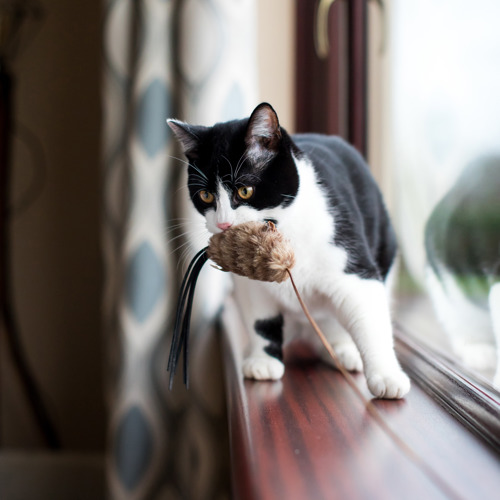
Credit: www.cats.org.uk
Practice Patience And Consistency
Teaching your cat to bring a toy back takes patience and consistency. Cats learn best with gentle, steady practice over time. Staying calm helps your cat feel safe and confident. Consistent actions build trust and encourage good habits. Small steps every day lead to success.
Keep Sessions Short And Fun
Short training sessions keep your cat interested. Five to ten minutes is enough time. End sessions while your cat is still happy. Use playful tones and gentle praise. This makes learning enjoyable and stress-free. Playful sessions help your cat want to try again.
Repeat Regularly
Practice every day to build your cat’s skills. Repeating the same steps helps your cat understand. Use the same toy and commands each time. Consistent repetition creates a strong habit. Slowly, your cat will learn to bring the toy back on command.
Troubleshoot Common Issues
Teaching a cat to bring a toy back can take patience. Some cats may show challenges during training. Troubleshooting common issues helps keep the process smooth. Identifying problems early makes teaching easier and more fun.
Address Lack Of Interest
Some cats do not care about toys at first. Try different toys like feathers or small balls. Use toys that move or make sounds. Play with your cat to spark curiosity. Keep sessions short and full of fun. Reward your cat with treats for any play. Repeat often to build interest slowly.
Handle Toy Hoarding
Cats sometimes keep the toy instead of bringing it back. They may hide or guard the toy. Gently take the toy after a short time. Use two identical toys for trading. Call your cat softly to return the toy. Praise your cat when it drops the toy near you. Practice patience and stay calm during this stage.
Make Playtime Enjoyable
Teaching a cat to bring a toy back makes playtime fun and active. Start with a favorite toy and reward your cat for returning it. Patience and small steps help your cat learn quickly.
Playtime is the heart of teaching your cat to bring toys back. Cats learn best when they have fun. Keep sessions short and lively to hold their interest. Happy cats respond better and learn faster. Enjoyment builds a strong bond between you and your pet. Focus on making each play moment positive and exciting.
Use Positive Reinforcement
Praise your cat with gentle words or petting when it brings the toy back. Treats work well as rewards, too. Reward immediately to help your cat connect the action with the prize. Avoid punishment, as it can scare your cat and slow learning. Positive reinforcement encourages your cat to repeat good behavior.
Vary Toys And Games
Different toys keep your cat curious and interested. Use balls, feathers, or small stuffed animals. Change games to avoid boredom and keep your cat engaged. Some cats like chasing, others prefer pouncing or carrying toys. Find what your cat enjoys most and use those toys often.
Frequently Asked Questions
How Can I Start Teaching My Cat To Fetch Toys?
Begin by choosing a favorite toy and encouraging your cat to play with it. Use treats and praise to motivate your cat to bring the toy back. Start with short distances to build their interest and confidence gradually.
What Rewards Work Best For Training Cats To Fetch?
Small, tasty treats or verbal praise work best as rewards. Cats respond well to positive reinforcement. Use treats immediately after your cat brings the toy back to create a clear connection.
How Long Does It Take To Teach A Cat To Fetch?
Training time varies, but most cats learn within a few weeks. Consistent daily sessions of 5-10 minutes help build the habit. Patience and repetition are key to success.
Can All Cats Learn To Bring Toys Back?
Not all cats will naturally fetch, but many can learn with patience. Some cats are more playful and motivated by toys. Observe your cat’s interest and adjust training accordingly.
Conclusion
Teaching your cat to bring a toy back takes time and patience. Start with short sessions and keep them fun. Use treats and praise to encourage good behavior. Watch your cat’s mood and stop if they lose interest. Small steps lead to better results.
Enjoy the process and celebrate small wins. Your cat will learn to play and bond with you. Training helps build trust and keeps your cat active. Keep practicing regularly for steady progress. Patience makes all the difference in teaching your cat.