How to Train a Cat to Use a Litter Box: Easy Steps for Success

Training your cat to use a litter box might seem tricky, but it’s easier than you think. If you want a clean home and a happy pet, teaching your cat this simple habit is key.
Imagine never having to worry about accidents or unpleasant surprises again. In this guide, you’ll discover practical steps that work, whether you have a kitten or an adult cat. Keep reading, and you’ll learn how to make litter box training smooth and stress-free for both you and your furry friend.
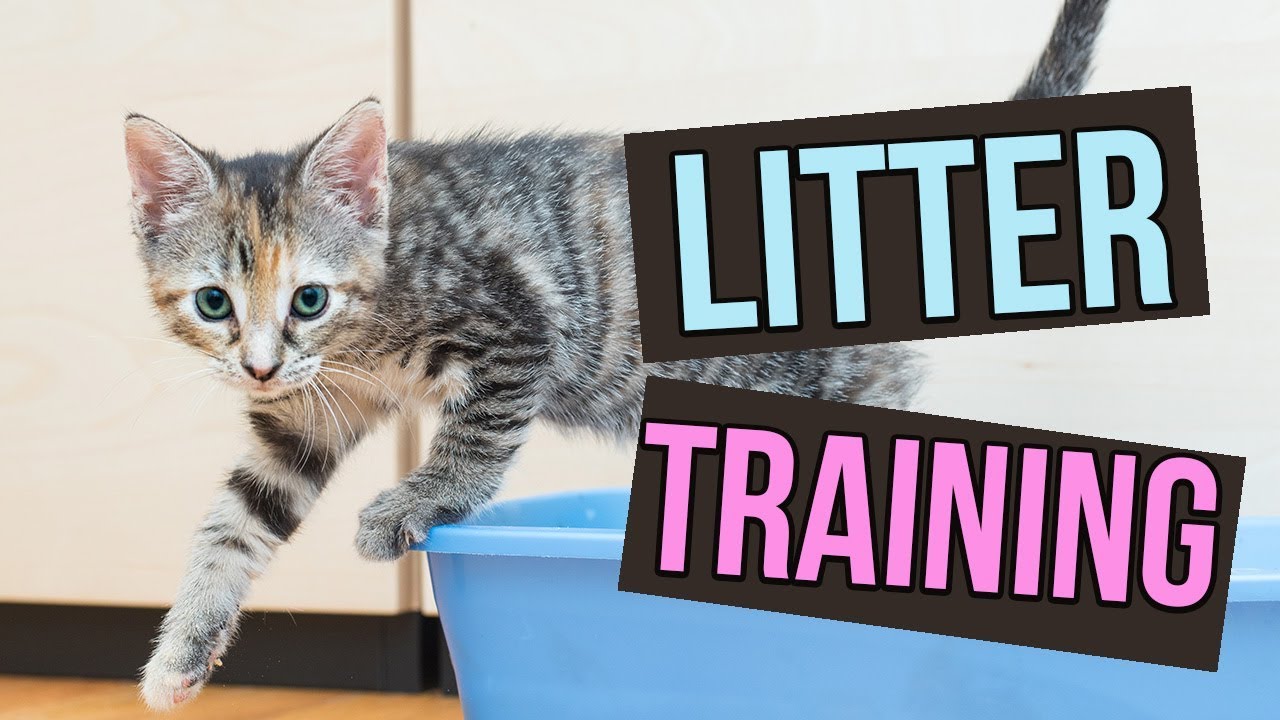
Credit: www.youtube.com
Contents
Choosing The Right Litter Box
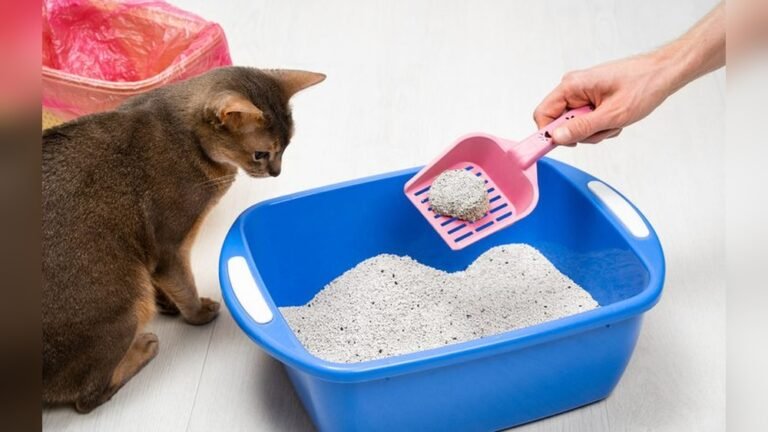
Choosing the right litter box is an important step to train your cat properly. The box should feel comfortable and safe for your cat. It needs to fit your cat’s size and habits. Picking the right box can help prevent accidents and make cleaning easier. Here are some points to consider when selecting a litter box.
Size And Shape Matters
Choose a litter box big enough for your cat to move freely. Small boxes can make your cat uncomfortable. Some cats prefer longer boxes to stretch while using. Also, consider your cat’s age and size. Older cats or kittens may need smaller or lower boxes for easy access. The shape matters too. Rectangular boxes give more space. Round boxes may be harder to fit in corners.
Open Vs Covered Boxes
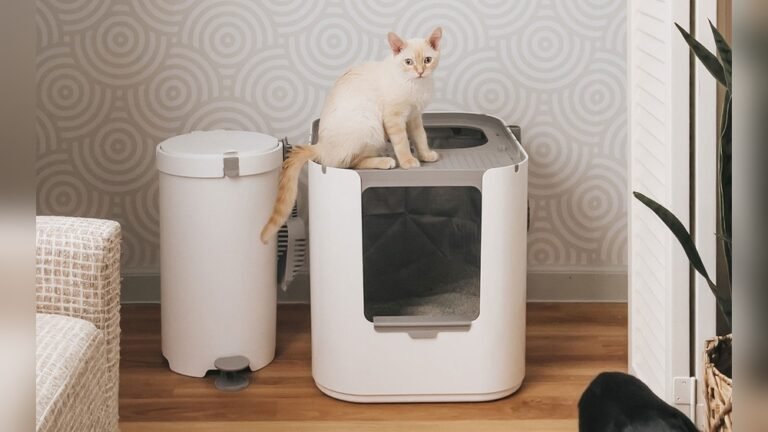
Open litter boxes are simple and easy to enter. Cats can see around and feel less trapped. Some cats like the privacy of covered boxes. Covered boxes help reduce smell and keep litter inside. Watch your cat’s behavior. Some cats avoid covered boxes because they feel trapped. Choose the style that suits your cat’s personality and comfort.
Material And Durability
Litter boxes come in plastic, which is easy to clean. Strong plastic lasts longer and resists scratches. Scratches can trap bacteria and cause odor. Some boxes have non-stick coatings for easy cleaning. Avoid materials that absorb odor or moisture. Durable boxes save money by lasting longer. Check for smooth surfaces and sturdy edges to keep your cat safe.
Picking The Best Cat Litter
Choosing the right cat litter is key for training your cat to use the litter box. The best litter makes your cat comfortable and keeps your home clean. Different types of litter offer different benefits. Understanding these helps you pick the best one for your cat.
Clumping Vs Non-clumping
Clumping litter forms solid clumps when wet. This makes cleaning easier and keeps the box fresh longer. Non-clumping litter absorbs moisture but does not form clumps. It may need more frequent changing. Many cat owners prefer clumping litter for its convenience.
Scented Or Unscented
Scented litter masks odors with added fragrances. Some cats dislike strong smells and avoid the box. Unscented litter has no added scents and is often better for sensitive cats. It allows you to detect real odors quickly, helping keep the box clean.
Natural And Eco-friendly Options
Natural litters use materials like wood, corn, or paper. These are safer for cats and better for the environment. Eco-friendly litters break down faster and reduce waste. They often have less dust, which helps cats with breathing issues.
Setting Up The Litter Box Area
Setting up the litter box area is the first step to train your cat effectively. A well-chosen spot makes your cat feel safe and comfortable. This encourages good litter habits and reduces accidents. Careful placement helps your cat find the box easily and use it regularly.
Quiet And Accessible Location
Choose a quiet place for the litter box. Cats prefer calm spots where they won’t be disturbed. Make sure the box is easy to reach at all times. Avoid areas with loud noises or sudden activity. This helps your cat feel secure while using the litter box.
Avoiding High-traffic Zones
Keep the litter box away from busy areas. Avoid places like kitchens, hallways, or near loud appliances. High-traffic zones can scare or stress your cat. A private spot encourages your cat to use the box without fear. It also keeps the litter clean and fresh for longer.
Multiple Boxes For Multiple Cats
Provide one litter box per cat, plus one extra. This prevents fights and keeps each cat happy. Place boxes in different locations around your home. Cats like having their own space for bathroom needs. Multiple boxes reduce accidents and promote good hygiene.
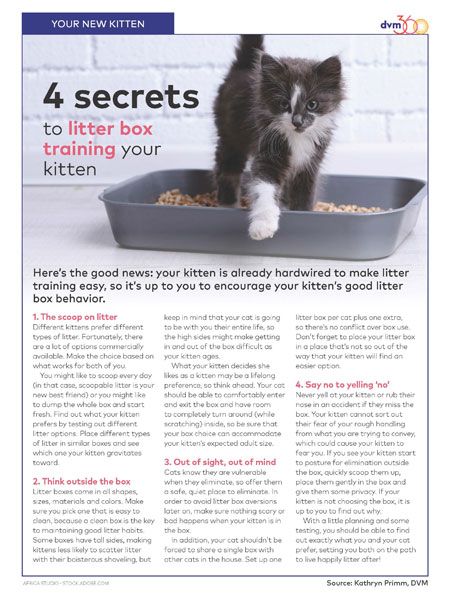
Credit: www.dvm360.com
Introducing Your Cat To The Litter Box
Introducing your cat to the litter box is the first step in teaching good bathroom habits. Cats need time to understand what the box is for. A calm and clear approach helps them learn faster. This part of training builds trust and comfort with the litter box.
Timing And Patience
Start training soon after bringing your cat home. Young cats learn faster but older cats can adapt too. Give your cat time to get used to the new space. Watch for signs they need to go, like sniffing or scratching. Be patient and calm during this process. Rushing can cause stress and confusion.
Encouraging Exploration
Place the litter box in a quiet, easy-to-reach spot. Let your cat explore it on their own. Show them the box gently by placing them inside. Use a soft voice to encourage curiosity. Avoid forcing or pushing your cat into the box. Cats respond well to gentle guidance and freedom.
Handling Initial Accidents
Accidents are normal at the start of training. Do not punish your cat. Clean the area thoroughly to remove odors. This prevents repeat accidents in the same spot. Guide your cat back to the litter box after accidents. Positive reinforcement helps them learn the right place to go.
Training Techniques For Success
Training a cat to use a litter box takes patience and the right approach. Using effective techniques helps your cat learn quickly and feel comfortable. The key is to encourage good habits with positive actions. Consistency and clear signals make a big difference in success. Small rewards and praise motivate your cat to repeat good behavior.
Positive Reinforcement
Positive reinforcement means rewarding your cat for using the litter box. This helps your cat understand what behavior you want. Always praise your cat gently after it uses the box. Use a calm voice and soft petting to show approval. Avoid punishment. It can cause fear and confusion. Positive reinforcement builds trust and encourages your cat to keep using the litter box.
Consistency And Routine
Consistency is important in litter box training. Keep the litter box in the same quiet spot. Cats like routine and feel safe with familiar places. Scoop the box daily to keep it clean. A clean box invites your cat to use it more. Set regular times for feeding and play. Predictable schedules help your cat learn faster and feel secure.
Using Treats And Praise
Treats work well to reward good litter box habits. Give a small, tasty treat right after your cat uses the box. Combine treats with verbal praise for better results. This makes the experience positive and fun. Avoid giving treats at other times, so your cat links them only to litter box use. Praise and treats together help your cat form good habits quickly.
Common Challenges And Fixes
Training a cat to use a litter box can come with some challenges. Many cat owners face common problems. Understanding these challenges helps solve them quickly. This section covers key issues and simple fixes. You will learn how to keep your cat happy and clean.
Avoiding Litter Box Aversion
Some cats refuse to use their litter box. This can happen if the box is dirty or smells bad. Cats also dislike loud or busy places. Place the litter box in a quiet and clean area. Scoop it daily and change the litter often. Use unscented, clumping litter to please most cats.
Try different types of litter and boxes. Some cats prefer covered boxes, others do not. Watch your cat’s behavior and adjust as needed. Patience is key to avoid litter box aversion.
Dealing With Medical Issues
Sometimes, cats avoid the litter box due to health problems. Urinary tract infections or bladder issues cause pain. This makes cats go outside the box. Take your cat to a vet if accidents start suddenly. Early treatment can stop the problem from getting worse.
Older cats may have arthritis or mobility issues. Make sure the litter box is easy to enter and exit. Low-sided boxes work well for cats with joint pain. Keep a close eye on any changes in behavior.
Cleaning Tips To Prevent Odors
Strong odors can make cats avoid the litter box. Clean the box at least once a week with warm water. Avoid harsh chemicals that may scare your cat. Baking soda can help control smells safely. Replace the litter fully every few weeks.
Wash the litter box with mild soap and rinse well. Use a separate scoop for cleaning to keep it hygienic. Regular cleaning keeps the area fresh and inviting for your cat.
Maintaining Good Litter Box Habits
Maintaining good litter box habits helps keep your cat healthy and happy. Clean and fresh litter boxes encourage your cat to use them regularly. A well-maintained litter area reduces bad smells in your home. It also prevents your cat from going outside the box. Follow these tips to maintain excellent litter box habits.
Regular Cleaning Schedule
Clean the litter box every day. Remove clumps and waste daily to keep it fresh. Wash the box with mild soap once a week. Rinse well to avoid strong smells. A clean box attracts your cat and reduces accidents.
Replacing Litter And Boxes
Change the litter completely every one to two weeks. Use the type your cat prefers. Some cats like clumping litter, others prefer natural options. Replace old or cracked litter boxes every year. A new box feels fresh and inviting to your cat.
Monitoring Your Cat’s Behavior
Watch your cat’s bathroom habits closely. Changes can signal health problems or stress. Notice if your cat avoids the box or digs excessively. Address any issues quickly by consulting a vet. Early action keeps your cat comfortable and clean.

Credit: www.elaf-food.com
Frequently Asked Questions
How Long Does It Take To Train A Cat To Use A Litter Box?
Training usually takes a few days to two weeks. Consistency and positive reinforcement speed up the process. Patience is key to helping your cat learn effectively.
What Type Of Litter Box Is Best For Cats?
Choose a litter box with low sides for kittens and covered boxes for privacy. Size should fit your cat comfortably. Easy-to-clean materials help maintain hygiene and encourage use.
How Often Should I Clean The Litter Box?
Clean the litter box daily by scooping waste. Completely change the litter and wash the box weekly. Regular cleaning prevents odors and keeps your cat comfortable.
Can I Use Any Type Of Litter For Training?
Use unscented, clumping litter for easy cleanup and odor control. Avoid scented or dusty litters that may deter your cat. Consistency in litter type helps training success.
Conclusion
Training a cat to use a litter box takes patience and care. Start with a clean, quiet spot for the box. Show your cat where it is and praise good behavior. Keep the box tidy to encourage use. Watch for signs your cat needs help.
Small steps lead to big success. Remember, every cat learns at its own pace. Stay calm and consistent. Soon, your cat will use the litter box without trouble. A clean home and happy cat—everyone wins.