Indoor Vs Outdoor Cats: Ultimate Guide to Health & Happiness

Are you wondering whether your cat should stay inside or explore the outdoors? Choosing between an indoor or outdoor lifestyle for your feline friend is more than just a simple decision.
It affects their health, happiness, and safety in big ways. You’ll discover the key differences between indoor and outdoor cats, and learn what’s best for your furry companion. By the end, you’ll feel confident making the right choice that keeps your cat thriving and you worry-free.
Keep reading to find out what every cat owner needs to know!
Contents
Differences In Lifestyle
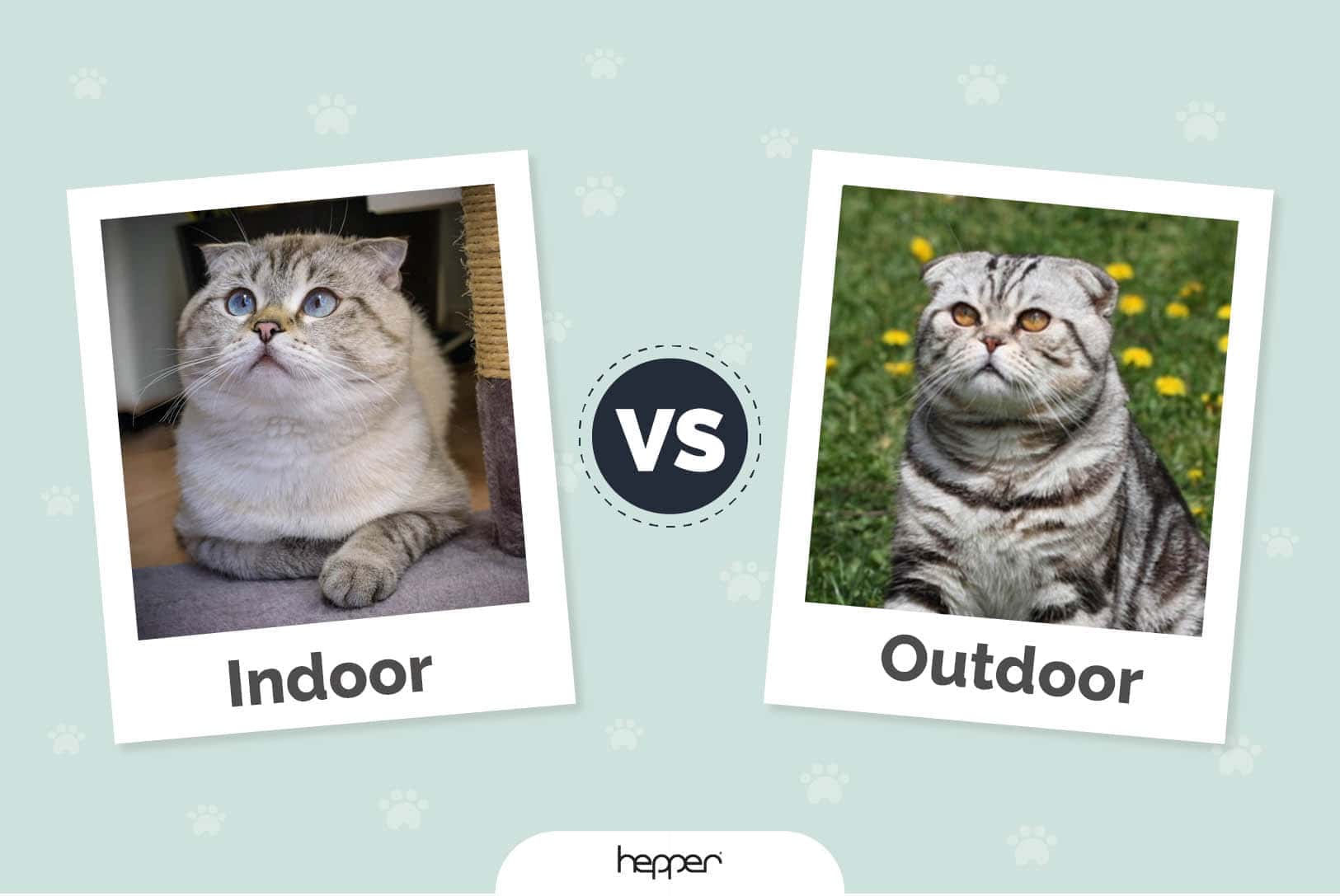
Understanding the feline lifestyle differences between indoor and outdoor cats helps pet owners make informed choices. Cats living indoors and outdoors show clear contrasts in their daily habits, health, and social behavior. These differences affect their well-being and safety. Indoor Outdoor Cat Habits shape how cats spend their time, interact, and face risks. This section explores these lifestyle contrasts through activity levels, environmental exposure, and social interaction.
Activity Levels
Cat activity comparison reveals that outdoor cats tend to be more physically active than indoor cats. Outdoor cats explore, hunt, and climb, which keeps their muscles strong and minds sharp. Indoor cats often have limited space and fewer stimuli, leading to less movement.
- Outdoor cats: Engage in natural hunting behaviors, run, jump, and explore large areas.
- Indoor cats: Play with toys and interact with humans but may become sedentary without enough stimulation.
Indoor cats need intentional playtime to match the exercise levels of outdoor cats. Without this, indoor cats risk obesity and related health issues. Owners can provide climbing trees, puzzle feeders, and regular play sessions to boost activity.
| Aspect | Indoor Cat | Outdoor Cat |
|---|---|---|
| Exercise Type | Play with toys, short bursts of activity | Hunting, roaming, climbing |
| Activity Frequency | Limited, often dependent on owner | High, driven by instinct |
| Risk of Obesity | Higher | Lower |
In summary, indoor cats need more encouragement to stay active. Outdoor cats get natural exercise but face other risks that affect their lifestyle.
Environmental Exposure
Feline environmental impact differs greatly between indoor and outdoor cats. Outdoor cats encounter weather changes, other animals, and potential hazards. Indoor cats live in controlled environments with fewer risks.
Cat exposure to diseases is higher for outdoor cats. They face parasites, viruses, and injuries from fights or accidents. Indoor cats usually have less exposure to these threats, improving their health and longevity.
- Outdoor Cat Risks: Fleas, ticks, infections, traffic accidents, predators.
- Indoor Cat Behavior: Protected from most diseases and injuries.
Pet safety indoor vs outdoor depends on managing these risks. Vaccinations, parasite control, and supervision can reduce dangers for outdoor cats. Indoor cats benefit from a clean, safe space but need mental stimulation to avoid boredom.
| Factor | Indoor Cat | Outdoor Cat |
|---|---|---|
| Exposure to Parasites | Low | High |
| Risk of Injury | Minimal | Significant |
| Weather Impact | None | High |
Social Interaction
Socialization in cats varies by their lifestyle. Outdoor cats often meet other animals and humans during their roaming. Indoor cats mostly interact with household members and sometimes with visitors.
Outdoor cats may develop strong hunting independence but can also be more territorial and less affectionate. Indoor cats tend to be more social with humans and enjoy regular petting and play.
- Outdoor Cats: Interact with other cats, wildlife, and neighbors; may have solitary tendencies.
- Indoor Cats: Depend on humans for social needs and often bond closely.
Both lifestyles require attention to social needs. Indoor cats can get lonely without enough interaction. Outdoor cats may face conflicts with other animals or isolation. Owners must balance freedom and companionship for a happy cat.
Credit: kdfoundation.org
Health Considerations
Choosing between an indoor or outdoor lifestyle for your cat affects more than just behavior. Health considerations play a vital role in this decision. Understanding the risks and benefits tied to each environment helps protect your cat’s well-being. Indoor cat health often differs greatly from outdoor cats, especially in terms of illness, injury, and lifespan. Knowing these differences guides better indoor outdoor pet care choices.
Common Illnesses
Feline common illnesses vary based on a cat’s environment. Outdoor cats face more exposure to infections and parasites. Indoor cats have fewer risks but can still develop health problems.
- Outdoor cats often catch diseases like feline leukemia virus (FeLV), feline immunodeficiency virus (FIV), and parasites such as fleas and ticks.
- Indoor cats may develop respiratory infections and obesity-related issues due to less activity.
Parasite control and vaccinations form the core of feline disease prevention. Regular vet visits reduce risks for both indoor and outdoor cats.
| Illness | More Common In | Prevention |
|---|---|---|
| Feline Leukemia Virus (FeLV) | Outdoor Cats | Vaccination, Avoid Contact with Strays |
| Upper Respiratory Infections | Indoor Cats | Good Hygiene, Regular Vet Checks |
| Fleas and Ticks | Outdoor Cats | Topical Treatments, Regular Grooming |
Injury Risks
Cat injury risks differ sharply between indoor and outdoor cats. Outdoor cats face many dangers that indoor cats usually avoid.
Outdoor cat dangers include:
- Vehicle accidents
- Fights with other animals
- Falls from heights
- Poisoning from plants or chemicals
Indoor cats have fewer injury risks but may suffer from accidents such as falls or chewing on harmful objects. Cat owners should focus on pet safety indoor vs outdoor by securing windows, removing toxic plants, and providing safe play spaces.
| Injury Type | Indoor Cat Risk | Outdoor Cat Risk |
|---|---|---|
| Car Accidents | Low | High |
| Animal Fights | Low | High |
| Falls | Moderate | Moderate to High |
| Poisoning | Low to Moderate | Moderate to High |
Lifespan Expectations
Cat lifespan comparison shows indoor cats often live longer than outdoor cats. Cat mortality factors such as accidents, disease, and predators lower outdoor cats’ lifespan.
Indoor cats benefit from controlled environments, steady food supply, and medical care. Outdoor cats experience more stress and dangers that reduce lifespan.
- Average lifespan for indoor cats: 12 to 16 years
- Average lifespan for outdoor cats: 5 to 7 years
Proper indoor outdoor pet care can improve lifespan for both types. Monitoring health, providing vaccinations, and safe environments are key.
Safety Concerns
Choosing between indoor and outdoor cats raises important safety concerns. Both environments have risks that affect a cat’s well-being. Understanding these dangers helps pet owners protect their cats better. Safety is a key factor in deciding where a cat should live.
Predators And Traffic
Outdoor cats face many threats from predators and traffic. Wild animals like coyotes, foxes, and birds of prey can attack cats. These dangers cause injuries or death. Traffic is another major risk. Cars and trucks pose a constant threat to cats roaming outside.
Indoor cats are mostly safe from predators and traffic. They live in a controlled environment without these dangers.
- Predators for outdoor cats: Coyotes, foxes, raccoons, hawks, and owls
- Traffic risks: Cars, bicycles, motorcycles, trucks
- Common injuries: Bite wounds, fractures, road accidents
| Risk | Outdoor Cats | Indoor Cats |
|---|---|---|
| Predators | High risk | None |
| Traffic accidents | Moderate to high risk | None |
Keeping cats indoors reduces the chance of accidents and attacks. Outdoor cats need supervision or safe outdoor spaces like enclosed patios.
Toxins And Hazards
Both indoor and outdoor cats face toxins and hazards, but types and risks differ. Outdoor cats often encounter toxic plants, chemicals, and pesticides. They may eat harmful substances or get poisoned from contact.
Indoor cats face risks from household items. Cleaning supplies, certain plants, and human foods can be dangerous. Owners must keep these out of reach.
- Outdoor hazards: Pesticides, antifreeze, poisonous plants, rodenticides
- Indoor hazards: Cleaning chemicals, toxic plants (e.g., lilies), human foods (e.g., chocolate)
- Symptoms of poisoning: Vomiting, lethargy, drooling, seizures
Prevent poisoning by storing chemicals safely and removing toxic plants. Regular vet checks help catch problems early.
| Hazard Type | Outdoor Cats | Indoor Cats |
|---|---|---|
| Chemical exposure | High risk (pesticides, antifreeze) | Moderate risk (cleaners, medicines) |
| Plant toxicity | Moderate risk (wild plants) | Moderate risk (houseplants) |
Escape Risks
Escape risks differ for indoor and outdoor cats. Outdoor cats already roam freely, so the risk of getting lost or trapped is high. They may wander far from home and face dangers like injuries or starvation.
Indoor cats have a lower escape risk but can slip outside accidentally. Doors left open or broken windows are common escape points. Once outside, indoor cats face many outdoor dangers.
- Outdoor cats: Risk of getting lost, trapped, or stolen
- Indoor cats: Risk of accidental escape through open doors/windows
- Consequences: Injury, exposure to harsh weather, predators, starvation
Owners should secure homes with screens and supervise outdoor access. Microchipping and collars with ID tags improve chances of recovery.
| Escape Risk | Outdoor Cats | Indoor Cats |
|---|---|---|
| Likelihood of escape | Very high | Low to moderate |
| Potential dangers after escape | High (injury, starvation) | High (if escape occurs) |
Behavioral Traits
Cats show different behavioral traits based on whether they live indoors or outdoors. These traits affect their daily activities, mood, and health. Understanding these behaviors helps owners provide better care. Indoor cats and outdoor cats have distinct habits shaped by their environment. Their hunting skills, territorial nature, and stress levels vary greatly. These differences impact their happiness and safety.
Hunting Instincts
Hunting is a natural skill for all cats, but indoor and outdoor cats express it differently. Outdoor cats use their instincts daily. They chase birds, insects, and small animals. This activity keeps them active and sharp. Indoor cats cannot hunt live prey easily. They often show hunting behavior through play. Toys like feather wands and laser pointers help them stay engaged.
- Outdoor cats: Hunt for food and fun, satisfying natural urges.
- Indoor cats: Hunt through play to mimic natural behavior.
Here is a quick comparison:
| Aspect | Outdoor Cats | Indoor Cats |
|---|---|---|
| Hunting Frequency | High – daily hunting opportunities | Low – rely on toys and owner interaction |
| Physical Activity | High – chasing and stalking prey | Moderate – play sessions indoors |
| Mental Stimulation | Natural and varied | Needs to be provided by owner |
Without enough stimulation, indoor cats may become bored or overweight. Outdoor cats satisfy their hunting drive naturally but face risks like injury or parasites.
Territorial Behavior
Cats are very territorial animals. Their territory size and behavior depend on their living environment. Outdoor cats usually have larger territories to patrol and defend. They mark their area with scent and may fight with other cats.
Indoor cats have smaller, more controlled spaces. They feel secure within the home but may become stressed by new animals or changes in routine. Many indoor cats show territorial behavior by:
- Marking furniture or corners with scent glands
- Watching windows to observe outside animals
- Defending favorite resting spots
Outdoor cats:
- Use larger spaces for hunting and exploring.
- May face threats from other animals or cats.
- Often show more aggressive territorial behavior.
Indoor cats tend to be less aggressive but still need stable territory. Changes like new pets or visitors may trigger stress. Understanding a cat’s territorial needs helps reduce conflict and anxiety.
Stress And Anxiety
Stress affects indoor and outdoor cats differently. Outdoor cats face dangers like traffic, predators, and harsh weather. These risks can cause anxiety but also give them outlets for natural behaviors.
Indoor cats avoid many dangers but may suffer from boredom or loneliness. Small spaces and lack of stimulation can increase stress. Signs of stress include:
- Excessive grooming or hair loss
- Hiding or avoiding interaction
- Aggression or vocalization
Table below shows common stress factors:
| Stress Factor | Outdoor Cats | Indoor Cats |
|---|---|---|
| Environmental Dangers | High – traffic, predators, weather | Low – safe indoors |
| Boredom | Low – active outdoors | High – need toys and attention |
| Social Stress | Moderate – encounters with other cats | Variable – new pets or changes |
Reducing stress requires attention to environment and routine. For indoor cats, playtime and safe spaces help. Outdoor cats benefit from secure areas and health checks.
Care And Maintenance
Taking care of indoor and outdoor cats requires different approaches. Their living environments affect their health, behavior, and daily needs. Care and maintenance must match their lifestyle to keep them happy and safe. Understanding these differences helps provide the best for each type of cat.
Feeding Practices
Indoor cats usually move less. They need fewer calories to avoid weight gain. Outdoor cats burn more energy exploring and hunting. They need more food or higher calorie diets.
Some tips for feeding indoor and outdoor cats:
- Indoor cats: Feed controlled portions to prevent obesity.
- Outdoor cats: Provide enough food to support their active lifestyle.
- Use high-quality cat food with balanced nutrients.
- Fresh water should always be available.
| Feeding Aspect | Indoor Cats | Outdoor Cats |
|---|---|---|
| Calorie Needs | Lower, due to less activity | Higher, due to more exercise |
| Feeding Schedule | Regular, measured meals | Flexible, may need extra meals |
| Food Type | Balanced, weight control formulas | High protein, energy-rich formulas |
Monitoring weight helps adjust feeding amounts. Avoid free feeding indoor cats to control intake. Outdoor cats may need more protein to maintain muscle and energy.
Grooming Needs
Indoor cats usually stay cleaner. They have less dirt and debris on their fur. Outdoor cats face dirt, leaves, and pests more often. Grooming helps remove these and keeps skin healthy.
Key grooming tips:
- Brush indoor cats weekly to reduce hairballs and loose fur.
- Brush outdoor cats more often to remove dirt and tangles.
- Check for ticks, fleas, and wounds in outdoor cats regularly.
- Trim nails every few weeks to prevent damage indoors.
Bathing indoor cats is rarely needed. Outdoor cats might need occasional baths if very dirty. Use cat-safe shampoo and warm water. Grooming also helps build trust and comfort between owner and cat.
| Grooming Task | Indoor Cats | Outdoor Cats |
|---|---|---|
| Brushing | Once or twice weekly | Several times per week |
| Bathing | Rarely needed | Occasionally, if dirty |
| Parasite Check | Less frequent | Regularly, due to exposure |
Environmental Enrichment
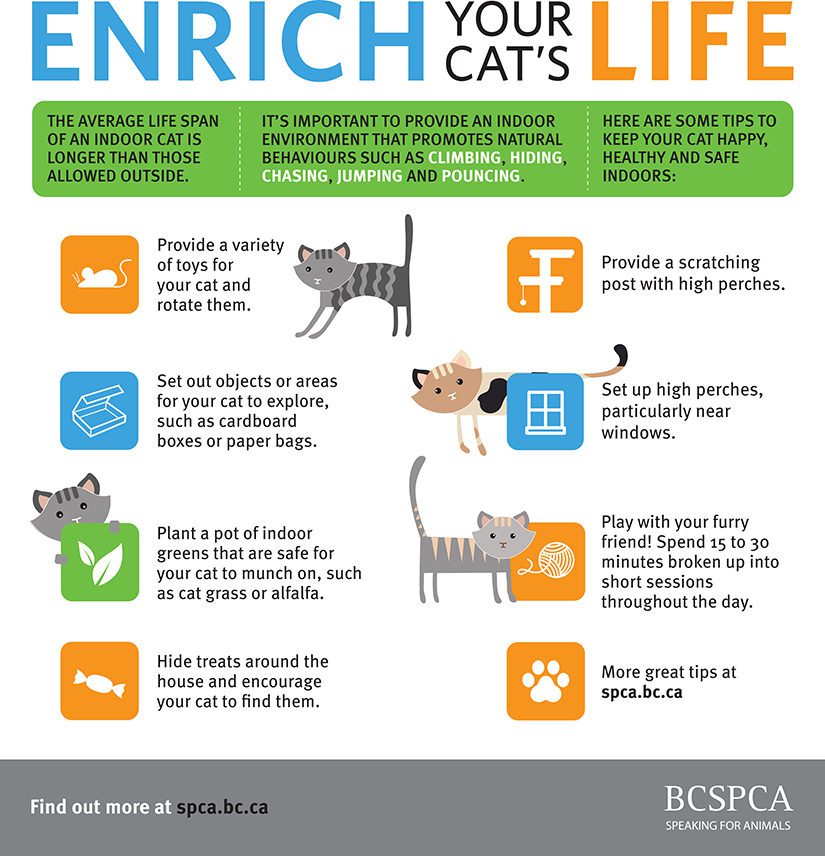
Indoor cats need mental and physical stimulation to stay healthy. Lack of activity can cause boredom and stress. Outdoor cats get natural exercise and variety. They explore, climb, and hunt.
Ways to enrich indoor cat environments:
- Provide scratching posts and climbing trees.
- Offer puzzle feeders to encourage hunting instincts.
- Rotate toys to keep interest high.
- Give windows access for bird watching.
- Play with cats daily for exercise and bonding.
Outdoor cats benefit from their natural surroundings but still need safe spaces. Shelter from weather and places to hide are important. Both indoor and outdoor cats enjoy cozy resting spots.
Environmental enrichment supports good behavior and reduces anxiety. It improves overall quality of life for all cats, regardless of their lifestyle.
Credit: stepevoli.com
Impact On Wildlife
Cats are popular pets worldwide, but their lifestyle affects wildlife differently. Indoor cats live mostly inside, safe from many dangers. Outdoor cats roam freely, hunting small animals and birds. This freedom impacts local wildlife in many ways. Understanding how indoor and outdoor cats affect animals helps us protect nature better.
Hunting Impact
Outdoor cats hunt birds, rodents, and insects. Hunting is natural for cats, but it can harm local wildlife populations. Birds and small mammals often become prey. This reduces numbers of some species, especially in urban and rural areas.
Key facts about hunting by outdoor cats:
- Outdoor cats kill millions of birds and mammals each year worldwide.
- Many prey animals are important for ecosystems and agriculture.
- Outdoor cats may hunt even if they are fed well at home.
Indoor cats do not hunt wild animals. They may chase toys or small insects inside but do not kill wildlife. This means indoor cats have almost no direct effect on local animal populations.
| Aspect | Indoor Cats | Outdoor Cats |
|---|---|---|
| Hunting Behavior | Rarely hunt, mostly play | Actively hunt birds, rodents, insects |
| Impact on Wildlife | Minimal to none | Significant reduction in some species |
| Risk to Wildlife | None | High |
Ecosystem Balance
Outdoor cats change the balance of local ecosystems. By reducing prey numbers, they affect food chains. Predators relying on birds or rodents may find less food. This can lead to fewer predators or changes in their diet.
Effects on ecosystems include:
- Lower populations of small mammals and birds.
- Possible increase in insects due to fewer predators.
- Disruption of natural predator-prey relationships.
Indoor cats do not disrupt ecosystems because they stay inside. They help keep local wildlife safe. Outdoor cats can spread diseases to wildlife too, adding stress to animal populations.
Protecting ecosystems means controlling outdoor cat numbers and encouraging indoor lifestyles. This helps preserve wildlife and keeps ecosystems healthy.
Credit: spca.bc.ca
Frequently Asked Questions
What Are The Main Differences Between Indoor And Outdoor Cats?
Indoor cats live inside, safer from dangers like cars and predators. Outdoor cats enjoy freedom but face risks such as injuries and diseases. Indoor cats tend to live longer, while outdoor cats have more exercise and natural stimulation. Choosing depends on safety and lifestyle preferences.
Are Indoor Cats Less Healthy Than Outdoor Cats?
Indoor cats often have fewer health risks like parasites or accidents. They need more playtime to stay active. Outdoor cats get more exercise but face infections and injuries. Both require regular vet care for a healthy life.
How Does Cat Behavior Differ Indoors Versus Outdoors?
Indoor cats may be calmer and more dependent on humans. Outdoor cats show more hunting and exploring behaviors. Indoor cats need toys and stimulation to prevent boredom. Outdoor cats experience natural instincts but face more stress from dangers.
Can Outdoor Cats Affect Local Wildlife Populations?
Yes, outdoor cats can hunt birds, small mammals, and reptiles. This impacts local wildlife and biodiversity negatively. Responsible owners use collars or keep cats indoors to reduce this effect. Protecting wildlife involves managing outdoor cat activities carefully.
Conclusion
Choosing between indoor and outdoor cats depends on your lifestyle and home. Indoor cats stay safer from accidents and diseases. Outdoor cats enjoy fresh air and exercise but face more risks. Both types need love, food, and care every day.
Think about your cat’s personality and needs carefully. Keep their health and happiness as your top priority. Either way, your cat will bring joy to your life. Care and attention make the biggest difference.