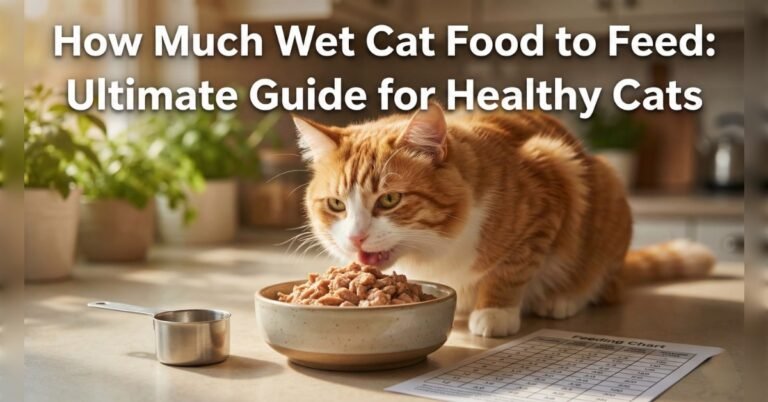
Is Wet Food Or Dry Food Better for Cats: Ultimate Guide Revealed

Choosing the right food for your cat can feel overwhelming. You want to give your furry friend the best, but should you pick wet food or dry food?
Each option has its fans, and the choice can affect your cat’s health, happiness, and even your wallet. If you’ve ever wondered which is truly better for your cat, keep reading. By the end of this article, you’ll have clear answers that help you make confident decisions for your pet’s diet—and see the difference in your cat’s energy and well-being.
Contents
Benefits Of Wet Food
Choosing between wet food and dry food for cats often raises many questions. Wet food offers several benefits that can improve your cat’s health and happiness. It provides essential nutrients in a form that many cats enjoy. Wet food supports hydration, taste, and digestion, which are key for a cat’s well-being.
Higher Moisture Content
One of the main benefits of wet food is its high moisture content. Cats naturally get water from their prey in the wild. Wet food mimics this by containing about 70-80% water. This helps keep cats hydrated without relying only on drinking water. Proper hydration supports healthy kidneys and urinary tract function.
Key points about moisture in wet food:
- Contains 3 to 4 times more water than dry food
- Supports kidney health and prevents urinary problems
- Helps cats who don’t drink enough water
| Food Type | Approximate Moisture Content |
|---|---|
| Wet Food | 70-80% |
| Dry Food | 6-10% |
Many cats benefit from wet food’s moisture, especially those with health issues like kidney disease or urinary tract infections. Hydration helps maintain overall health and prevents common illnesses.
Enhanced Palatability
Wet food often tastes better to cats. The texture and aroma are closer to natural prey, making it more appealing. Cats tend to prefer the smell and softness of wet food over dry kibble.
Reasons wet food is more palatable:
- Stronger aroma: Wet food has a richer smell that attracts cats.
- Softer texture: Easier to chew and more enjoyable to eat.
- Variety of flavors: Comes in many flavors and meat types.
For picky eaters, wet food can encourage a better appetite. It helps cats get enough nutrients by making mealtime enjoyable. Wet food also suits older cats or those with dental issues, as it is easier to eat.
Easier Digestion
Wet food is easier for cats to digest. Its high moisture content softens the food, helping the stomach break it down faster. This improves nutrient absorption and reduces digestive stress.
Benefits of easier digestion in wet food include:
- Less strain on the digestive system
- Reduced risk of constipation
- Better absorption of vitamins and minerals
Compared to dry food, wet food produces smaller, softer stools. This is a sign of healthy digestion. Cats with sensitive stomachs or digestive problems often do better on wet food.
Below is a comparison of digestion factors:
| Factor | Wet Food | Dry Food |
|---|---|---|
| Moisture | High | Low |
| Digestive Ease | Better | Harder |
| Stool Quality | Soft, smaller | Larger, harder |
Advantages Of Dry Food
Choosing between wet food and dry food for cats is a common question among pet owners. Both types have their own benefits. Dry food stands out for its unique advantages that many cat owners appreciate. It is easy to store, helps with dental health, and is often more affordable. These benefits make dry food a popular choice for feeding cats. Understanding these points can help decide the best diet for your furry friend.
Convenient Storage And Serving
Dry cat food is simple to store and serve. Unlike wet food, it does not require refrigeration after opening. This makes it easy to keep on hand for long periods without worrying about spoilage. Dry food comes in bags or boxes that are lightweight and space-saving.
Key points about dry food storage and serving:
- Long shelf life: Can last weeks after opening if stored properly.
- Easy portion control: Measure the amount needed for each meal quickly.
- Less mess: No sticky cans or trays to clean.
- Portable: Great for travel or taking to the vet.
Here is a simple comparison of storage needs:
| Feature | Dry Food | Wet Food |
|---|---|---|
| Refrigeration Needed | No | Yes, after opening |
| Shelf Life (Unopened) | 6-12 months | 1-2 years |
| Shelf Life (Opened) | Several weeks | 1-2 days |
| Packaging | Bags, boxes | Cans, pouches |
Dental Health Benefits
Dry food can help maintain your cat’s dental health. The crunchy texture encourages chewing. This action helps reduce plaque and tartar buildup on teeth. Chewing dry food acts like a mild abrasive cleaning the teeth surface.
Benefits of dry food for dental care include:
- Reduces plaque: Crunchy pieces scrape teeth gently.
- Slows tartar buildup: Helps keep gums healthy.
- Encourages chewing: Good for cats that tend to swallow food whole.
- Supports fresh breath: Less bacteria growth in the mouth.
Note that dry food is not a substitute for regular dental checkups or brushing. It can support oral health but should be part of a complete dental care routine.
Cost-effectiveness
Dry cat food is usually more affordable than wet food. It offers good nutrition at a lower price. This makes it easier to feed cats without spending too much.
Reasons dry food saves money:
- Lower cost per serving: Dry food often costs less per meal.
- Less waste: Can store and serve exact portions, reducing leftovers.
- Longer shelf life: Less spoilage means fewer trips to buy food.
- Bulk buying: Available in large bags that reduce cost further.
Here is a quick cost comparison example:
| Food Type | Average Cost per Pound | Average Feeding Cost per Day |
|---|---|---|
| Dry Food | $2.50 | $0.50 |
| Wet Food | $5.00 | $1.00 |
Choosing dry food can help manage your budget while keeping your cat healthy and happy.
Nutritional Differences
Choosing the right food for your cat means understanding the nutritional differences between wet and dry food. Each type offers distinct benefits and drawbacks based on its ingredients and how it is made. Nutrients like protein, fat, carbohydrates, and preservatives vary, affecting your cat’s health and energy. Knowing these differences helps you decide what suits your cat’s needs best.
Protein And Fat Content
Protein and fat are crucial for a cat’s diet. Cats are natural carnivores, so they need high levels of animal protein and fat for energy and muscle health. Wet food usually contains more protein and fat than dry food. This is because wet food has higher moisture and less carbohydrate filler.
- Wet food: Typically 70-80% moisture, with 8-12% protein and 5-9% fat.
- Dry food: Around 10% moisture, with 25-40% protein and 10-20% fat.
Even though dry food shows higher protein percentages, remember it has less water. On a dry matter basis, wet food often matches or exceeds dry food in protein quality.
| Type of Food | Protein (%) | Fat (%) | Moisture (%) |
|---|---|---|---|
| Wet Food | 8-12 | 5-9 | 70-80 |
| Dry Food | 25-40 | 10-20 | 10 |
Good protein supports your cat’s muscles, skin, and immune system. Fat provides energy and helps absorb vitamins. Choosing a food with quality animal proteins and fats is vital for your cat’s well-being.
Carbohydrate Levels
Cats do not need many carbohydrates. Their bodies are designed to use protein and fat for energy, not carbs. Dry food usually has much higher carbohydrate levels than wet food because of grains and starches added during production.
- Dry food: Can contain 30-50% carbohydrates.
- Wet food: Typically has less than 10% carbohydrates.
High carbohydrates can cause weight gain and may lead to health issues like diabetes. Wet food’s low carbohydrate content aligns better with a cat’s natural diet.
Here is a simple comparison:
| Food Type | Approximate Carbohydrate Content (%) |
|---|---|
| Wet Food | 5-10 |
| Dry Food | 30-50 |
Low carbohydrates help maintain healthy blood sugar and weight. Always check food labels for carb content. Choose foods with fewer fillers and grains to match your cat’s natural needs.
Preservatives And Additives
Preservatives keep pet food fresh and safe. Wet and dry foods use different types and amounts of additives. Dry food often requires stronger preservatives because it is stored longer without moisture.
- Dry food preservatives: BHA, BHT, ethoxyquin (synthetic preservatives).
- Wet food preservatives: Natural preservatives like vitamin E (mixed tocopherols) and vitamin C.
Some preservatives may cause allergies or sensitivities in cats. Wet food uses fewer artificial chemicals because of its high moisture content and shorter shelf life after opening.
Other additives include:
- Artificial colors and flavors—mostly in dry food to improve appearance and taste.
- Stabilizers and emulsifiers—help maintain texture and mix ingredients.
- Supplements—vitamins, minerals, and taurine added to both types for balanced nutrition.
Choosing foods with natural preservatives and minimal additives reduces risks of health problems. Always read ingredient lists carefully. Look for foods that prioritize quality over long shelf life.
Impact On Cat Health
The choice between wet food and dry food has a significant impact on a cat’s health. Different types of food affect cats in various ways, influencing their weight, hydration, and even allergies. Understanding these effects helps pet owners make better decisions for their cat’s well-being. This section covers how wet and dry foods relate to weight management, hydration and urinary health, and allergies or sensitivities.
Weight Management
Weight control is crucial for cats. Obesity can lead to serious health problems like diabetes and joint pain. Wet food usually contains fewer calories per gram than dry food. It also has a higher water content, which can help cats feel full faster.
- Wet food: Lower calorie density, helps reduce overeating.
- Dry food: Higher calorie density, easier to overfeed.
Dry food is convenient for free feeding, but cats may eat too much. Wet food typically requires portion control, which can help manage weight better.
| Food Type | Calorie Density (kcal per 100g) | Water Content (%) | Effect on Weight |
|---|---|---|---|
| Wet Food | 70-90 | 75-80 | Supports weight control |
| Dry Food | 350-450 | 10 | Risk of overeating |
Controlling meal portions and monitoring your cat’s weight regularly prevents obesity. Feeding wet food can be a better choice for cats prone to weight gain.
Hydration And Urinary Health
Cats naturally have a low thirst drive. They often get most water from food. Wet food contains much more moisture than dry food, which helps keep cats hydrated. Proper hydration supports kidney function and reduces urinary tract problems.
- Wet food: Provides 75-80% water, boosts hydration.
- Dry food: Contains about 10% water, may cause dehydration.
Dehydration can lead to urinary tract infections and bladder stones. Cats eating only dry food need extra water sources, like water fountains or bowls placed in multiple areas.
Some signs of poor hydration in cats include:
- Dry gums
- Less frequent urination
- Strong-smelling urine
- Lethargy
Feeding wet food regularly helps prevent these issues by increasing water intake naturally.
Allergies And Sensitivities
Food allergies or sensitivities affect some cats. They can cause skin problems, itching, vomiting, or diarrhea. Both wet and dry foods can trigger allergies, depending on ingredients.
Wet food often contains fewer preservatives and artificial ingredients. This may reduce allergy risks in sensitive cats. Dry food sometimes has more fillers and additives that irritate sensitive stomachs or skin.
- Common allergens: Beef, chicken, dairy, grains.
- Wet food: Easier to find single-protein or limited-ingredient options.
- Dry food: More variety but often includes multiple ingredients.
Choosing hypoallergenic or limited-ingredient foods helps manage sensitivities. Always watch for symptoms like:
- Persistent scratching
- Hair loss
- Digestive upset
- Red or inflamed skin
Consult a vet for allergy testing or diet trials. Switching between wet and dry food may improve your cat’s comfort if allergies are a concern.
Feeding Preferences And Behavior
Choosing between wet food and dry food for cats often depends on their feeding preferences and behavior. Cats have unique tastes and habits that influence how they eat. Understanding these can help pet owners provide the best nutrition and keep their cats happy and healthy. Cats may prefer certain textures, flavors, and feeding routines. These preferences affect their appetite, digestion, and overall well-being. Observing a cat’s natural behavior can guide the choice between wet or dry food.
Taste And Texture Preferences
Cats are known for being picky eaters. They often prefer food with strong flavors and appealing textures. Wet food usually has a soft, moist texture that many cats find attractive. It mimics the texture of fresh meat, which appeals to their natural hunting instincts.
Dry food, on the other hand, is crunchy and firm. Some cats enjoy the crunchiness, which can help clean their teeth. However, others may find dry food less tasty or harder to chew.
Key differences in taste and texture:
- Wet food: Soft, juicy, strong aroma, closer to natural prey
- Dry food: Crunchy, less moisture, milder aroma
| Aspect | Wet Food | Dry Food |
|---|---|---|
| Texture | Soft and moist | Crunchy and firm |
| Flavor Intensity | Strong and meaty | Milder and less aromatic |
| Palatability | Often more appealing | Varies, some cats prefer |
Some cats prefer wet food because it feels like fresh meat. Others enjoy dry food’s crunch. Offering both types can help find what your cat likes best.
Feeding Frequency And Habits
Cats have natural feeding habits that influence how often and how much they eat. Wild cats hunt small prey multiple times a day. Domestic cats may keep this pattern with small, frequent meals.
Wet food usually spoils faster once opened. This means it often requires feeding in smaller portions multiple times daily. Dry food stays fresh longer, making it easy to leave out for free feeding.
Typical feeding habits by food type:
- Wet food: Feed 2-4 small meals daily to avoid spoilage.
- Dry food: Can be left out all day for cats to nibble anytime.
Free feeding with dry food suits cats that prefer grazing. Scheduled meals with wet food fit cats needing portion control.
| Feeding Aspect | Wet Food | Dry Food |
|---|---|---|
| Feeding Frequency | Multiple small meals daily | Free feeding or 2 meals daily |
| Food Freshness | Must be eaten quickly | Stays fresh for hours |
| Portion Control | Easier to control portions | Harder if free-fed |
Watching your cat’s eating routine helps adjust feeding methods. Some cats prefer set mealtimes. Others like nibbling all day long.
Combining Wet And Dry Food
Choosing between wet food and dry food for cats often puzzles many pet owners. Both types offer unique benefits, but combining wet and dry food can create a well-rounded approach. Mixing these options supports cat digestive health and meets diverse feline dietary needs. This method enhances hydration, improves nutrition, and keeps meals exciting for your cat.
Balanced Diet Strategies
Combining wet and dry food can balance the strengths of each. Wet cat food offers high moisture content, which is essential for hydration in cats. Dry cat food advantages include convenience, dental benefits, and longer shelf life. Together, they provide a complete nutrient profile and variety in texture.
Here are key points for a balanced cat meal:
- Moisture content: Wet food keeps cats hydrated, reducing urinary issues.
- Calories: Dry food is calorie-dense, supporting active cats.
- Dental health: Crunchy dry food helps reduce plaque buildup.
- Protein sources: Both types supply essential proteins for muscle maintenance.
| Feline Diet Options | Benefits | Considerations |
|---|---|---|
| Wet Cat Food | High moisture, better hydration, rich in protein | More expensive, spoils quickly once opened |
| Dry Cat Food | Convenient, supports dental health, affordable | Lower moisture, can lead to dehydration |
Balanced cat meals combine these foods in portions that fit your cat’s needs. Tailor amounts based on age, health, and activity.
Transitioning Between Foods
Switching your cat’s diet needs care to protect cat digestive health. Sudden changes can cause upset stomachs or refusal to eat. Use cat food transition tips to ease this process smoothly.
Follow these steps to transition safely:
- Start by mixing 25% new food with 75% old food.
- Gradually increase new food to 50% over three days.
- Move to 75% new food for another three days.
- Offer 100% new food after about one week.
Keep an eye on your cat’s reaction during the change. Look for signs of digestive upset like vomiting or diarrhea. If problems appear, slow the transition pace.
Here is a sample schedule for switching from dry to wet food:
| Day | Dry Food (%) | Wet Food (%) |
|---|---|---|
| 1-3 | 75 | 25 |
| 4-6 | 50 | 50 |
| 7-9 | 25 | 75 |
| 10+ | 0 | 100 |
Feline diet options vary by cat, so adjust timing as needed. Patience helps maintain good cat nutrition and overall health during food changes.
Choosing Based On Life Stage
Choosing the right type of food for your cat depends greatly on their life stage. Cats have different nutritional needs as they grow from kittens to adults and then seniors. Selecting wet or dry food based on these stages helps keep your cat healthy and happy. Each stage requires specific nutrients, textures, and calorie levels that suit their body’s demands.
Kittens
Kittens need high energy and rich nutrients to support rapid growth and development. Their small stomachs require food that is easy to digest and nutrient-dense. Wet food is often a good choice because it contains more moisture and is softer for young kittens to eat.
- Wet food provides hydration, important for kidney and overall health.
- It has higher protein and fat levels to fuel growth.
- Soft texture helps kittens with developing teeth and gums.
Dry food can be introduced gradually but should be specially formulated for kittens. It helps with dental health by reducing plaque buildup. Many kitten dry foods also have balanced nutrients but less moisture than wet food.
| Food Type | Benefits for Kittens | Considerations |
|---|---|---|
| Wet Food | High moisture, easy to eat, rich in protein | Needs refrigeration after opening |
| Dry Food | Supports dental health, convenient to store | Less moisture, may be harder for very young kittens |
Adult Cats
Adult cats require a balanced diet to maintain their weight and energy levels. Both wet and dry foods can meet these needs if they are complete and balanced. Wet food helps with hydration, which is often low in cats that eat only dry food.
- Dry food is convenient and helps keep teeth clean.
- Wet food provides moisture and can reduce urinary tract issues.
- Portion control is easier with dry food but watch for overeating.
Choosing a mix of wet and dry food often works well for adult cats. It combines the benefits of hydration and dental care. Look for foods with high protein, moderate fat, and essential vitamins.
| Aspect | Wet Food | Dry Food |
|---|---|---|
| Hydration | High moisture content | Low moisture content |
| Convenience | Less convenient, needs refrigeration | Easy to store and serve |
| Dental Health | Less effective | Helps reduce plaque |
Senior Cats
Senior cats face changes in digestion, kidney function, and activity levels. Their food must be gentle on the stomach and support aging organs. Wet food becomes very important due to its moisture content, which helps kidney health and prevents dehydration.
- Wet food is easier to chew, ideal for cats with dental issues.
- Lower calorie content helps prevent obesity in less active seniors.
- Special senior formulas often contain added nutrients like antioxidants.
Dry food can be included if it is specially designed for seniors. Look for options with reduced phosphorus and sodium. A combination of wet and dry food can provide variety and meet specific health needs.
| Senior Cat Needs | Wet Food Benefits | Dry Food Benefits |
|---|---|---|
| Hydration | Helps prevent kidney strain | Less effective |
| Ease of Eating | Soft texture, gentle on gums | May be hard for dental problems |
| Weight Management | Lower calories available | Portion control possible |
Consulting A Veterinarian
Choosing the right food for your cat is important for its health and happiness. Both wet and dry foods have pros and cons. To make the best choice, consulting a veterinarian is a smart step. Vets understand your cat’s unique needs. They help decide which food suits your cat’s health, age, and lifestyle. This advice keeps your pet safe and well-nourished.
Tailoring Diet To Health Conditions
A veterinarian can create a diet plan based on your cat’s health. Cats with special conditions need specific foods. For example, cats with kidney problems often need low-phosphorus diets. Cats with diabetes may require controlled carbohydrate levels.
Some common health conditions and diet needs include:
- Urinary tract issues: Wet food helps increase water intake.
- Obesity: Low-calorie dry food may help control weight.
- Dental problems: Dry food can help clean teeth, but soft food may be easier to eat.
- Allergies: Special hypoallergenic diets are available.
Here is a simple table showing diet adjustments for common cat health issues:
| Health Condition | Recommended Food Type | Reason |
|---|---|---|
| Kidney Disease | Wet Food | Higher water content helps kidney function |
| Obesity | Low-Calorie Dry Food | Controls calorie intake and portion size |
| Dental Issues | Soft Wet Food | Easier to chew and digest |
| Allergies | Hypoallergenic Wet or Dry Food | Prevents allergic reactions |
Veterinarians use tests and exams to find the best diet. This approach keeps your cat healthy and comfortable.
Monitoring And Adjustments
After choosing a diet, vets recommend regular check-ups. Monitoring your cat’s health ensures the food meets its needs. Changes in weight, energy, or coat condition signal if the diet works well.
Watch for these signs to report to your vet:
- Sudden weight gain or loss
- Changes in appetite
- Vomiting or diarrhea
- Less energy or unusual behavior
Adjusting the diet may include:
- Changing food type from dry to wet or vice versa
- Altering portion sizes
- Adding supplements or special treats
- Switching to prescription diets
Regular vet visits help track progress. Your cat’s needs might change with age or health. Staying in touch with a vet avoids nutritional problems and supports a long, happy life.
Frequently Asked Questions
Is Wet Food Healthier Than Dry Food For Cats?
Wet food contains higher moisture, aiding hydration and urinary health. It is often lower in carbs and more palatable, supporting cats with weight or dental issues. Dry food is convenient and helps with dental care but may lack moisture content.
Can Dry Food Cause Dehydration In Cats?
Yes, dry food has low moisture, which may lead to dehydration if cats don’t drink enough water. Cats naturally have low thirst drive, so wet food or added water can help maintain proper hydration.
Does Wet Food Help With Cat Weight Management?
Wet food is generally lower in calories and higher in protein and water content. This helps cats feel full with fewer calories, making it a good choice for weight management and preventing obesity.
Which Food Is Better For Cats With Dental Problems?
Dry food can help reduce plaque due to its texture, but it may be hard for cats with dental issues. Wet food is softer and easier to eat, making it better for cats with sensitive teeth or gums.
Conclusion
Choosing between wet food and dry food depends on your cat’s needs. Wet food helps keep cats hydrated and can be easier to chew. Dry food often costs less and helps keep teeth clean. Some cats like a mix of both for variety.
Watch your cat’s health and preferences closely. Talk to your vet to find the best option. Feeding your cat well supports a happy, healthy life.