What Toys Do Cats Like: Top Picks for Endless Feline Fun

Have you ever wondered what toys your cat really enjoys? Finding the right toys can turn playtime into a fun, bonding experience for both of you.
But with so many options out there, it’s easy to feel overwhelmed or pick something your cat will ignore. This guide will help you discover the toys that truly capture your cat’s attention and keep them active, happy, and entertained.
Keep reading to unlock the secret to making playtime your cat’s favorite part of the day!

Credit: www.martinispa.com
Contents
Popular Toy Types
Cats enjoy a variety of toys that keep them active and happy. Different types of toys cater to their natural instincts. Toys that stimulate hunting, chasing, and problem-solving are very popular. Understanding these toy types helps you choose the best ones for your cat.
Interactive Toys
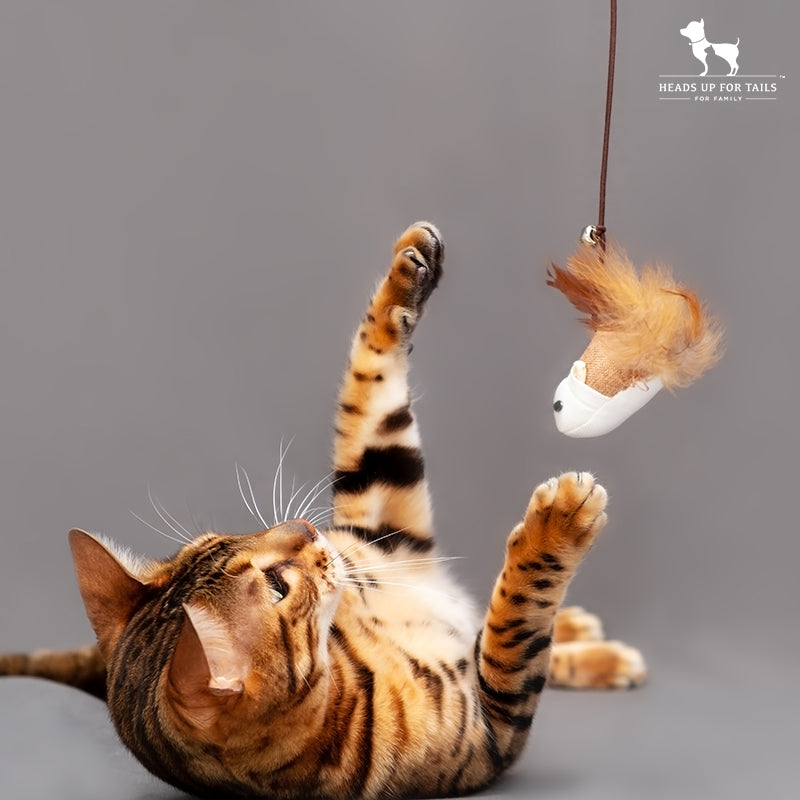
Interactive toys involve both the cat and the owner. These toys encourage play and bonding time. Examples include wand toys with feathers or strings. Cats love to jump and swipe at moving targets. These toys keep cats physically and mentally engaged.
Chase And Pounce Toys
Chase and pounce toys mimic prey movements. Small balls, mice toys, or laser pointers fit this category. Cats enjoy stalking and catching these toys. These toys help satisfy their hunting instincts. They also provide good exercise and fun.
Catnip Toys
Catnip toys contain a herb that excites many cats. They often roll, rub, or chew these toys happily. Catnip can reduce stress and boost playfulness. Soft stuffed toys filled with catnip are common. Most cats find these toys very appealing.
Puzzle Toys
Puzzle toys challenge cats to solve problems for treats. These toys improve mental skills and focus. Cats enjoy the reward after figuring out the puzzle. Puzzle feeders or treat balls are popular examples. They keep cats busy and prevent boredom.
Materials Cats Prefer
Cats enjoy toys made from different materials. The texture and sound of a toy can catch their attention quickly. Choosing the right material helps keep your cat active and happy. Cats often prefer toys that feel soft or make interesting noises. These materials stimulate their natural hunting instincts.
Soft And Plush
Many cats love soft and plush toys. These toys feel gentle on their paws and claws. Plush toys often mimic small animals like mice or birds. Cats enjoy carrying these toys in their mouths. Soft toys also provide comfort, like a small pet to cuddle.
Feathers And Strings
Feathers and strings attract cats because they move like real prey. Cats like to chase and bat at these materials. The lightness of feathers and strings makes them easy to toss around. These toys encourage cats to jump and pounce. They help satisfy a cat’s natural hunting drive.
Crinkly And Noisy
Crinkly toys make interesting noises that cats find exciting. Sounds like rustling paper or small bells grab their attention. Noisy toys create a fun surprise when touched or bitten. These toys keep cats curious and playful for longer. The noise mimics the sounds of prey moving in the wild.
Choosing Toys By Cat Personality
Choosing toys that fit your cat’s personality helps keep them happy. Cats have different moods and energy levels. Picking the right toy makes playtime fun and safe. It also helps your cat stay healthy and active. Observe your cat’s behavior to find what suits them best.
Some cats love to run and jump. Others prefer quiet and gentle play. Older cats need toys that are easy on their bodies. Understanding these differences guides you to the best toy choices.
Active And Energetic Cats
Active cats enjoy toys that move fast. Laser pointers and feather wands work well. Toys that mimic prey keep them chasing and pouncing. Balls and interactive toys that roll or bounce excite these cats. These toys help burn off their extra energy.
Shy And Reserved Cats
Shy cats prefer soft and quiet toys. Small stuffed mice or plush toys calm them. Toys that do not make noise avoid scaring them. Hide-and-seek toys give a safe way to play. They feel secure with gentle and slow play.
Senior Cats
Senior cats need toys that are easy to catch. Soft balls and lightweight toys suit them best. Avoid toys that require quick moves or jumping. Gentle motion toys keep their interest without stress. These toys support their slower pace and weaker joints.
Credit: headsupfortails.com
Diy Cat Toys
DIY cat toys are a fun way to keep your cat happy and active. They save money and use items you already have. Making toys at home lets you customize them to your cat’s likes. Cats enjoy toys they can chase, pounce on, and bat around.
Creating your own toys can also strengthen your bond with your pet. It is simple and requires little time. Many homemade toys are just as entertaining as store-bought ones.
Simple Household Items
Many household items can become great cat toys. Empty paper rolls make perfect tubes for chasing. Crumpled paper balls are light and easy to bat. String or yarn can be tied to a stick for a quick teaser. Bottle caps roll and spin, catching your cat’s attention. Small boxes or paper bags turn into cozy hideouts or play spots.
Use safe and clean items only. Avoid sharp or toxic materials. Cats love toys that move or make noise. Simple objects can provide hours of play.
Safe Crafting Tips
Safety is key when making DIY cat toys. Always check for small parts that can be swallowed. Use non-toxic glue and paints. Avoid strings longer than six inches to prevent choking. Inspect toys often for wear and tear. Remove broken toys immediately to avoid injuries.
Keep toys clean by washing fabric items regularly. Choose materials that are soft and gentle on paws. A safe toy is a happy toy for your cat. Crafting with care creates fun and safe playtime.
Safety And Maintenance
Keeping cat toys safe and clean is very important. Cats love to play hard and toys can get damaged quickly. Broken toys can hurt your cat or cause choking. Regular care helps your cat enjoy playtime safely. It also keeps toys lasting longer and your home cleaner.
Checking For Wear And Tear
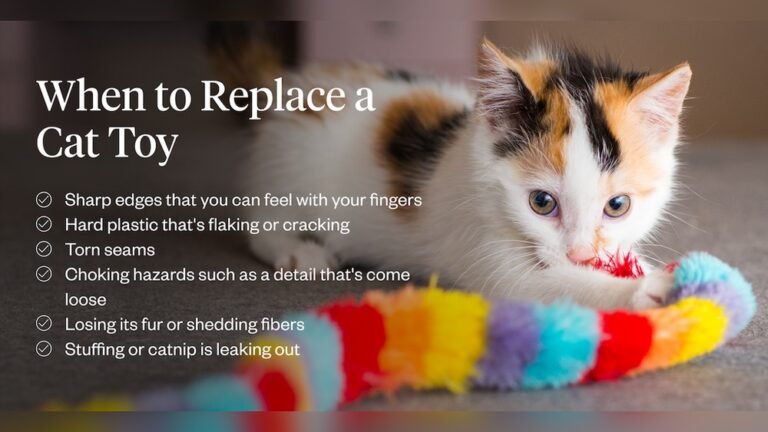
Look at toys often for damage. Check for loose parts, sharp edges, or tears. Small pieces can break off and cause choking. Soft toys may lose stuffing, which can be swallowed. Remove or fix damaged toys right away. Replace toys that cannot be safely repaired.
Keeping Toys Clean
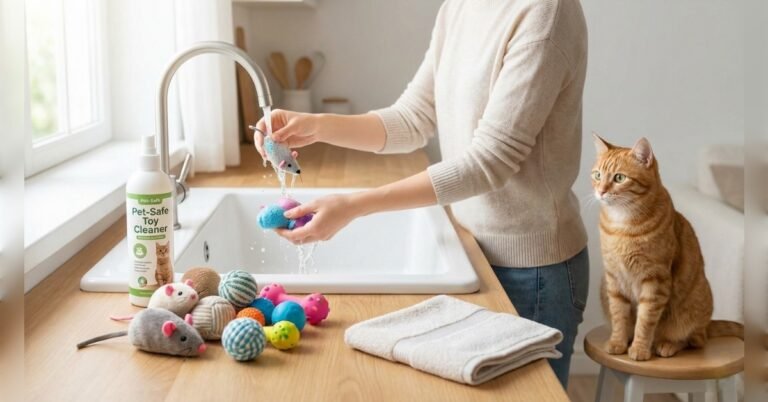
Wash cat toys regularly to remove dirt and germs. Use mild soap and warm water for most toys. Rinse well to remove all soap. Dry toys completely before giving them back to your cat. Clean toys help prevent infections and keep your cat healthy. Avoid harsh chemicals that may harm your pet.

Credit: www.reddit.com
Encouraging Playtime
Encouraging playtime is important for a cat’s health and happiness. Play helps cats stay active and sharp. It also reduces stress and unwanted behavior. Owners can make playtime fun and regular. This builds a strong bond between cat and owner.
Interactive Play Sessions
Interactive play keeps cats engaged and excited. Use toys like feather wands or laser pointers. Move the toy slowly to catch your cat’s attention. Let your cat chase, pounce, and bat at the toy. These actions mimic hunting and satisfy natural instincts. Play sessions should last 10 to 15 minutes. Short, frequent sessions work best. Always end play with a toy your cat can catch. This gives a sense of success.
Rotating Toys For Interest
Rotating toys keeps cats curious and interested. Keep a small selection of toys and swap them often. New toys feel fresh and exciting. Cats get bored with the same toys every day. Changing toys prevents boredom and encourages more play. Include different types like balls, mice, and puzzle toys. Each toy type stimulates your cat in unique ways. Store unused toys out of sight. Bring them back after a week or two.
Frequently Asked Questions
What Types Of Toys Do Cats Prefer Most?
Cats prefer toys that mimic prey, such as feather wands, laser pointers, and small balls. These toys stimulate their hunting instincts and keep them active and entertained.
Are Interactive Toys Better For Cats?
Yes, interactive toys engage cats mentally and physically. They reduce boredom, prevent destructive behavior, and strengthen the bond between cats and their owners.
Do Cats Like Catnip Toys?
Many cats enjoy catnip toys as catnip stimulates their senses and encourages playful behavior. However, not all cats respond to catnip, as sensitivity varies.
How Often Should I Rotate My Cat’s Toys?
Rotate toys every few days to maintain your cat’s interest. New or “forgotten” toys feel fresh, preventing boredom and encouraging continued play.
Conclusion
Cats enjoy toys that move, make noise, or feel soft. Toys that mimic prey spark their natural hunting skills. Simple items like balls, feathers, and strings bring joy. Rotate toys often to keep your cat interested and active. Watching your cat play strengthens your bond and keeps them healthy.
Every cat has its own favorite; try different types to find out. Playtime enriches their life and helps reduce stress. Keep toys safe and clean for happy, healthy fun.