Why Does My Cat Vomit After Eating Dry Food?

Have you ever noticed your cat vomiting right after eating dry food? It’s worrying, and you probably wonder why it keeps happening.
You want your furry friend to be healthy and happy, but this problem can leave you feeling confused and concerned. Understanding the reasons behind your cat’s upset stomach is the first step to helping them feel better. Keep reading, because uncovering the causes and solutions might be easier than you think—and it could make a big difference in your cat’s daily comfort.
Contents
Common Causes Of Vomiting
Vomiting after eating dry food is a common problem in cats. Understanding why this happens helps pet owners find the right solutions. Several causes can make cats vomit after meals. Identifying these causes allows better care and comfort for your feline friend.
Eating Too Quickly
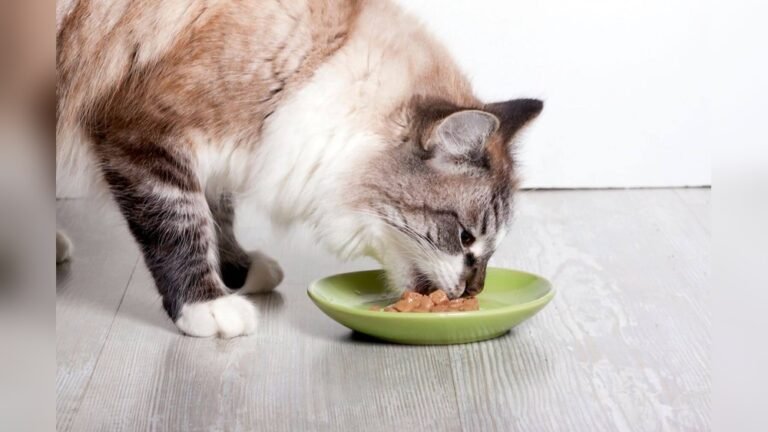
Many cats eat dry food very fast. This causes them to swallow air along with food. The air can upset their stomach and lead to vomiting. Slow feeding bowls or dividing meals into smaller portions helps reduce this problem.
Food Allergies And Sensitivities
Some cats have allergies or sensitivities to ingredients in dry food. These reactions can cause vomiting and discomfort. Common allergens include certain proteins or grains. Switching to hypoallergenic or limited ingredient diets can improve their condition.
Poor Quality Ingredients
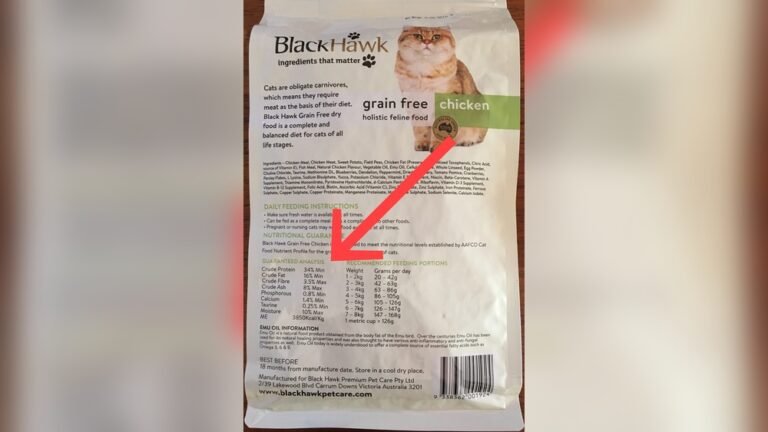
Low-quality dry food often contains fillers and artificial additives. These ingredients can irritate a cat’s digestive system. Cats need high-quality, natural ingredients for better digestion. Choosing premium dry food helps prevent vomiting caused by poor nutrition.
Sudden Diet Changes
Changing your cat’s food abruptly can upset their stomach. The digestive system needs time to adjust to new food. Sudden changes often cause vomiting and diarrhea. Gradually mixing new food with old over several days eases this transition.
Health Issues Linked To Vomiting
Vomiting in cats after eating dry food can signal health problems. Understanding these issues helps in caring for your pet. Some health problems cause vomiting more often than others. Learning about these can guide you to the right solution quickly.
Gastrointestinal Disorders
Gastrointestinal disorders often cause vomiting in cats. These include inflammation, irritation, or infections in the stomach or intestines. Conditions like gastritis or inflammatory bowel disease can make your cat sick. These disorders disrupt normal digestion and cause discomfort. Vomiting appears as the body tries to clear the stomach.
Hairballs And Digestive Blockages
Cats groom themselves a lot and swallow hair. Hairballs can form and cause blockages in the digestive tract. This blockage leads to vomiting as the cat tries to remove it. Sometimes, dry food can irritate the stomach if hairballs are present. Digestive blockages need prompt attention from a vet.
Infections And Parasites
Infections from bacteria or viruses can upset your cat’s stomach. Parasites like worms also cause vomiting by disturbing the digestive system. These infections and parasites often enter through contaminated food or water. Treatment can stop vomiting and restore your cat’s health. Regular check-ups help prevent these problems.
Dry Food And Hydration
Dry food is common for many cats. It is easy to store and serve. However, dry food has low moisture content. This can affect your cat’s hydration. Understanding the link between dry food and water intake helps explain vomiting issues.
Importance Of Water Intake
Cats need enough water to stay healthy. Water helps their body digest food. It keeps organs working well. Cats eating dry food must drink more water. Without enough water, digestion slows down. This may cause discomfort or vomiting.
Effects Of Dehydration
Dehydration happens when cats lack water. It makes their stomach dry and sensitive. Food may irritate the stomach lining. This can trigger vomiting after meals. Dehydration also affects kidney function. It can lead to serious health problems if ignored.
Feeding Practices To Reduce Vomiting
Feeding your cat properly can help reduce vomiting after eating dry food. Small changes in feeding habits can make a big difference. Understanding these practices helps keep your cat healthy and comfortable.
Portion Control And Meal Frequency
Feeding large portions at once can overwhelm your cat’s stomach. Smaller, more frequent meals are easier to digest. Try dividing the daily food amount into three or four meals. This prevents your cat from eating too fast or too much.
Slow Feeding Techniques
Eating quickly often causes vomiting. Use slow feeder bowls to slow down your cat’s eating pace. You can also spread dry food on a flat surface. These methods encourage slower eating and better digestion.
Choosing The Right Dry Food
Some dry foods are harder to digest than others. Look for formulas with high-quality ingredients and balanced nutrients. Avoid foods with too many fillers or artificial additives. A good dry food helps reduce stomach upset and vomiting.
When To See A Veterinarian
Vomiting after eating dry food can be normal sometimes. But frequent vomiting needs attention. Knowing when to see a veterinarian helps protect your cat’s health. Early care can stop serious problems.
Signs Of Serious Illness
Watch for these signs. If your cat vomits often or cannot keep food down, see a vet. Weakness or weight loss are red flags. Also, check for diarrhea, dehydration, or blood in vomit. These signs mean your cat needs medical help fast.
Diagnostic Tests
The vet may run tests to find the cause. Blood tests check organ health. X-rays or ultrasounds show blockages or tumors. Stool tests find parasites. Tests help the vet make the right treatment plan.
Treatment Options
Treatment depends on the diagnosis. The vet may suggest special diets or medication. Fluids can help if your cat is dehydrated. Surgery may be needed for blockages. Follow the vet’s advice to help your cat recover quickly.
Frequently Asked Questions
Why Does My Cat Vomit After Eating Dry Food?
Cats may vomit due to eating too fast, food intolerance, or allergies. Dry food can also cause dehydration or digestive upset, leading to vomiting.
Can Dry Food Cause Digestive Problems In Cats?
Yes, dry food can cause digestive issues if it lacks moisture or contains poor-quality ingredients. This may upset your cat’s stomach.
How Can I Prevent My Cat From Vomiting After Meals?
Feed smaller portions slowly, provide fresh water, and choose high-quality dry food. Monitor your cat’s reaction and consult a vet if vomiting persists.
Is Vomiting After Eating Dry Food A Sign Of Illness?
Frequent vomiting could indicate underlying health issues like infections or allergies. If vomiting continues, seek veterinary advice to rule out serious problems.
Conclusion
Cats may vomit after dry food for many reasons. It could be a fast eating habit or sensitivity to ingredients. Sometimes, the food may not agree with their stomach. Watching your cat’s eating behavior helps spot problems early. Trying smaller meals or different foods might help.
Always keep fresh water nearby for hydration. Consult a vet if vomiting continues or worsens. Understanding your cat’s needs keeps them happy and healthy. Simple changes can make a big difference for your pet.